
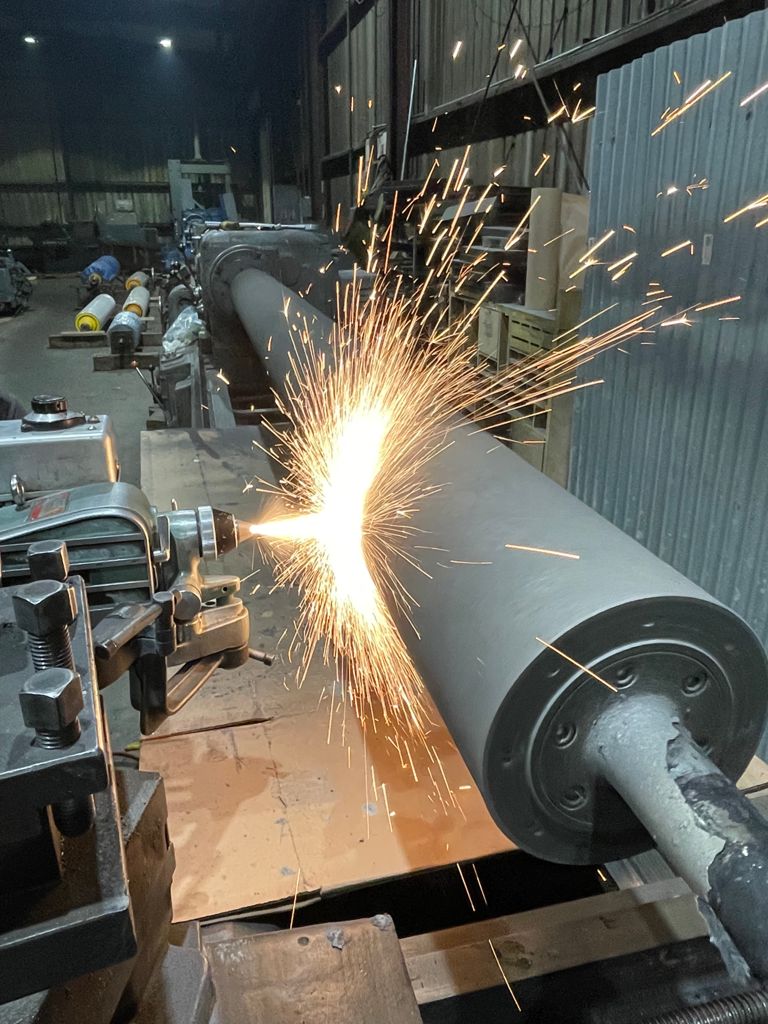
One roller fails, and suddenly your entire line feels the pinch. Roller failure analysis shows these breakdowns rarely happen in isolation. Misalignment, uneven load, surface wear, and heat build quietly before a single roller gives out. Understanding these hidden issues can save hours of downtime and costly replacements. Read on to learn how Thistle Roller Co. tackles root causes with precision rollers built to last. Learn more about why standard rollers fail here.
Understanding Roller Failures
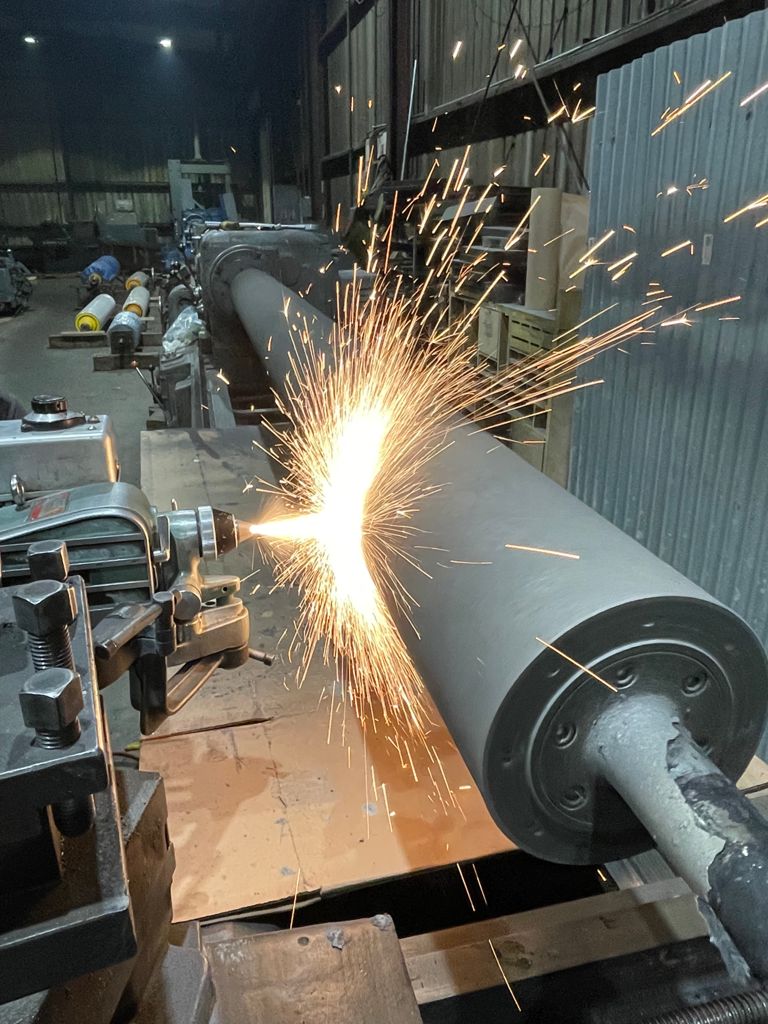
When a roller fails, it often signals deeper issues in your system. These underlying problems can affect your operations if not addressed promptly.
Symptoms of Systemic Issues
First, look out for warning signs. Changes in noise levels might indicate trouble. If you notice uneven wear or unusual vibrations, pay attention. These could be early alerts of problems. Rollers don’t just fail; they communicate. You just need to know their language. By recognizing these symptoms, you can catch issues before they lead to expensive downtime.
Common Causes of Roller Failures
Failures don’t just happen; they result from avoidable conditions. Misalignment is a major culprit. A roller that’s off-balance can wreak havoc. Heat build-up is another sneaky villain. It silently damages rollers over time. Contaminants can also cause trouble. Dust and debris can wear surfaces prematurely. By identifying these causes, you can prevent failures.
Impact on Production Efficiency
The effects of a failed roller can be costly. Production halts, and schedules fall behind. Resources are wasted, and costs rise. It’s not just the roller; it’s your entire line at risk. The longer you wait, the bigger the problem becomes. Understanding these impacts can help you take action before it’s too late.
Analyzing the Root Causes
Digging deeper can reveal the true source of roller failures. Knowing how to analyze these issues is crucial for maintaining efficiency.
Importance of Roller Failure Analysis
Analyzing failures isn’t just about fixing what’s broken. It’s about preventing future disruptions. By understanding the root causes, you can design better systems. This proactive approach saves time and money. Roller failure analysis is your tool for long-term success.
Identifying Alignment and Balance Problems
Alignment issues often start small. Over time, they can cause significant damage. Regular checks can help you spot these problems early. Balance is equally important. An unbalanced roller can lead to uneven wear and tear. Simple adjustments can make a big difference in roller life.
Examining Heat and Load Distribution
Heat can be a silent destroyer. It affects rollers in ways you might not see immediately. Monitoring temperature is key. Load distribution also plays a role. Uneven loads can strain rollers unnecessarily. By managing both heat and load, you extend roller lifespan.
Solutions and Preventative Measures
Preventing roller failures is achievable with the right strategies. These solutions can help you maintain smooth operations.
Benefits of HVOF Roller Coating
HVOF coating is a game-changer for rollers. It offers superior protection against wear. This coating extends roller life significantly. It’s a smart investment for any operation. With HVOF, you get a durable roller that stands up to tough conditions.
Strategies for Roller Reconditioning
Reconditioning breathes new life into worn rollers. It’s more cost-effective than replacement. Regular inspections can identify candidates for reconditioning. This process restores rollers to optimal condition. It’s about making the most of what you have.
Importance of Regular Maintenance and Inspections
Maintenance keeps your operations running smoothly. Regular inspections catch problems early. This proactive approach reduces downtime. It’s not just about fixing issues; it’s about preventing them. A little maintenance goes a long way in keeping systems efficient.
In conclusion, understanding and addressing roller failures is crucial for maintaining production efficiency. By recognizing symptoms, analyzing root causes, and implementing preventative measures, you can ensure the longevity and reliability of your systems. The right strategies not only prevent downtime but also extend the life of your equipment, saving you time and money in the long run.
See the true cost of ignoring roller challenges before it impacts your operations.