Thistle Roller Co.

HVOF Coatings for Industrial Rollers: What They Are and When to Specify Them

HVOF Coatings for Industrial Rollers: What They Are and When to Specify Them

HVOF coating has become a key choice for wear-resistant rollers facing tough industrial conditions. If your operations demand rollers that resist abrasion, corrosion, and erosion longer than hard chrome alternatives, understanding high velocity oxy-fuel thermal spray options is critical. This guide breaks down when to specify tungsten carbide and chromium carbide coatings, so you can avoid costly downtime and extend roller life with precision-engineered solutions. For more information, visit this link.

Understanding HVOF Coatings

When it comes to industrial rollers, wear resistance is key. High Velocity Oxy-Fuel (HVOF) coatings offer a solution that extends roller life and boosts performance.

What is HVOF Coating?

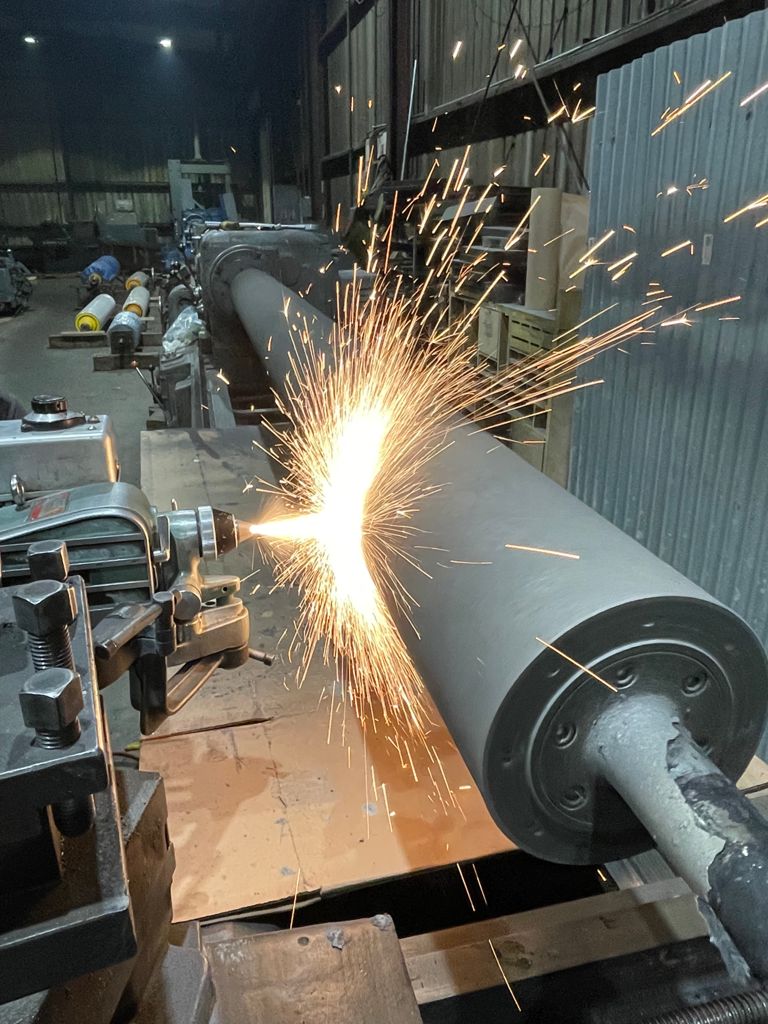
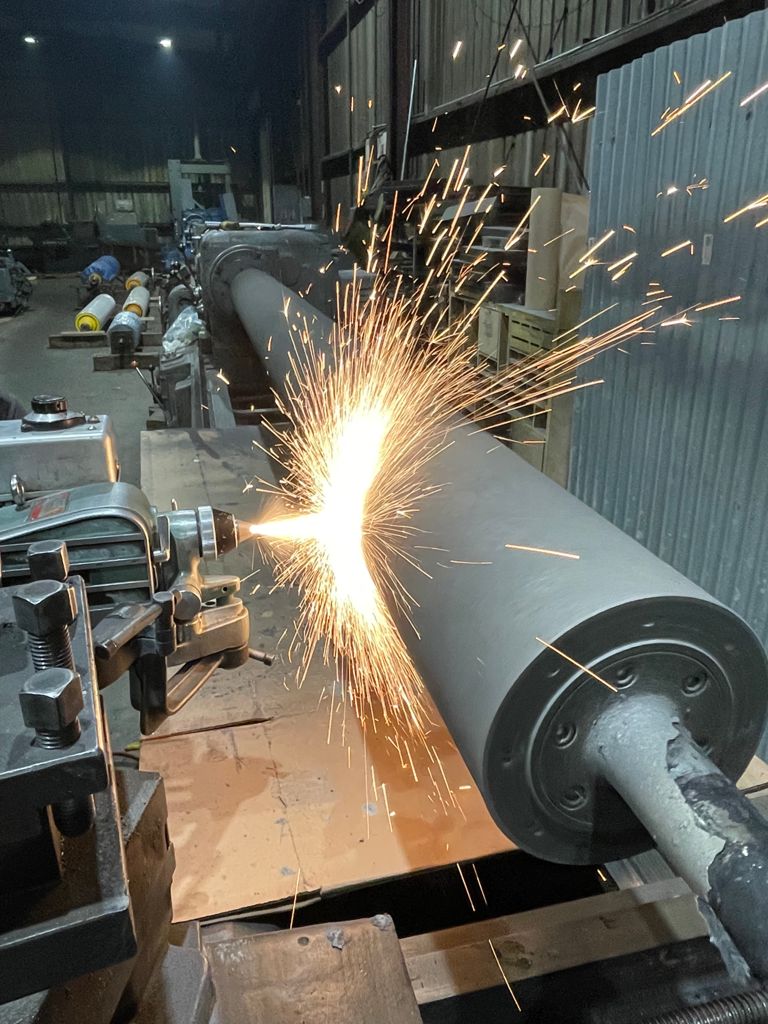
HVOF coating is a thermal spray technique used to apply protective coatings. In this process, a fuel gas and oxygen are ignited to create a high-temperature flame. Particles like tungsten carbide are then fed into the flame, reaching high velocities before impacting the roller surface. This method results in a dense, hard coating that enhances wear and corrosion resistance. For more technical details, check out TWI Global’s explanation.

This technology stands out because it doesn’t require the heat of traditional methods, preventing thermal damage to the base material. As a result, you get a strong bond and a durable finish. Curious about how it stacks up against other techniques? Keep reading to find out.

Key Benefits of HVOF Applications

HVOF coatings excel by providing unmatched protection. First, they create a barrier that shields rollers from abrasive materials. This means longer intervals between maintenance, saving you time and money. Second, HVOF coatings resist chemical attacks, making them ideal for harsh environments. This ensures your equipment operates smoothly, even under challenging conditions.

Moreover, they add a level of strength that rivals traditional chrome plating. With five times more wear resistance, HVOF coatings keep your operations running efficiently. This improved durability is especially beneficial in industries prone to corrosion and wear. Ready to see how they compare to traditional coatings? Let’s dive in.

Comparing HVOF to Traditional Coatings

Choosing between HVOF and traditional coatings can be a game-changer. While chrome plating has been a standard for many years, it often falls short in durability and environmental impact. HVOF coatings surpass chrome with their superior wear and corrosion resistance. Additionally, they offer a more environmentally friendly alternative, as they do not involve toxic chemicals.

Here’s a simple comparison:

Feature

HVOF Coating

Chrome Plating

Wear Resistance

Excellent

Moderate

Corrosion Resistance

High

Moderate

Environmental Impact

Low

High

The choice is clear when longevity and safety are priorities. Next, we’ll explore when to specify HVOF coatings for your operations.

When to Specify HVOF Coatings

Knowing when to choose HVOF coatings can save you from operational headaches. Let’s look at how these coatings tackle wear and corrosion challenges.

Identifying Wear and Corrosion Challenges

Wear and corrosion are the silent threats to your industrial rollers. Over time, they can lead to unexpected failures and costly repairs. By recognizing these challenges early, you can select the right coating for your needs. HVOF coatings are designed to withstand abrasive materials and harsh chemicals. This resilience minimizes the risk of roller wear, keeping your machinery in top condition.

In industries like steel mills and aerospace, the demand for corrosion-resistant rollers is high. With HVOF coatings, you’re not just prolonging roller life; you’re optimizing your entire operation. Are there specific criteria for selecting the right coating? Let’s uncover them next.

Selection Criteria for Optimal Performance

Choosing the right coating involves several factors. First, assess the environment: Is it abrasive, corrosive, or both? Second, consider the material of the roller. Some coatings work better with specific materials, ensuring a strong bond and optimal performance. Finally, think about the application. Different industries have unique needs, and HVOF coatings can be tailored to meet them.

For instance, tungsten carbide coatings excel in high-wear environments, while chromium carbide coatings offer excellent corrosion resistance. By matching the coating to the application, you’ll achieve the best results. Want to know which industries benefit the most? Let’s explore that next.

Industry-Specific Applications

HVOF coatings are versatile, serving various industries. In web handling and coil processing, they reduce friction and extend roller life. In aerospace, these coatings protect components from extreme conditions, enhancing reliability and safety.

The automotive industry also benefits, as HVOF coatings provide superior abrasion resistance in high-speed applications. By choosing the right coating, you ensure your rollers deliver consistent performance regardless of the industry. Ready to partner with a leader in this field? Thistle Roller Co. has the solutions you need.

HVOF Coatings by Thistle Roller Co.

Thistle Roller Co. is your go-to source for premium HVOF coatings. Our expertise ensures your rollers meet the highest standards of quality and performance.

Custom Solutions for Industrial Rollers

Every operation is unique, and your rollers should be too. At Thistle Roller Co., we offer custom-engineered solutions tailored to your specific needs. Whether you need wear-resistant rollers for heavy-duty applications or corrosion-resistant rollers for challenging environments, we’ve got you covered. Our team works closely with you to design rollers that deliver exceptional performance and longevity.

Ensuring Quality and Precision

Quality is at the heart of everything we do. Our in-house processes guarantee precision and consistency, from precision grinding to superfinishing. We utilize the latest technologies to ensure your rollers are up to the task, no matter the challenge. With our stringent quality controls, you can trust that your rollers will perform reliably.

Partnering with Thistle Roller Co.

Choosing Thistle Roller Co. means partnering with a trusted leader in the industry. Our commitment to customer satisfaction is unmatched, from initial consultation to final delivery. We’re here to support you every step of the way, ensuring your operations run smoothly. Don’t let roller failures disrupt your productivity—reach out to us for solutions that last.

In summary, HVOF coatings offer a durable, reliable option for industrial rollers that need to withstand wear and corrosion. By understanding their benefits and selecting the right application, you can enhance your operation’s efficiency. When you’re ready to upgrade, Thistle Roller Co. stands ready to assist with expertise and quality you can rely on.

How To Choose The Right Industrial Roller For Your Application: An Engineer’s Checklist

How To Choose The Right Industrial Roller For Your Application: An Engineer’s Checklist

Choosing the wrong industrial roller costs you more than money—it costs uptime. Your production line demands rollers that match every detail: design, material, coating, and surface finish. This engineer’s checklist breaks down how to pick the right roller for your application and avoid costly failures. Read on to get a clear framework that keeps your line moving and your downtime low. For more insights, check out this guide on selecting the right conveyor rollers.

Assessing Industrial Roller Needs

Understanding your roller needs is crucial to reducing downtime. Let’s dive into what your operation truly requires, starting with functionality.

Determining Roller Functionality

Every roller serves a unique purpose. The right choice begins with knowing what you need it to do. For instance, should it handle web tension or move materials smoothly on a conveyor? Consider these aspects:

  • Application type: Does the roller need to support, transport, or guide materials?

  • Load requirements: Determine the weight and speed the roller must handle.

  • Environmental factors: Think about temperature, humidity, and chemical exposure.

By pinpointing these factors, you can ensure your roller meets its intended role, ultimately reducing maintenance needs.

Identifying Core Material Requirements

The material of your roller is more critical than it seems. It impacts the roller’s durability and suitability for specific tasks. For instance, rubber covered rollers offer grip, while ceramic coatings resist wear in high-temperature environments.

  • Load and wear resistance: Polyurethane is excellent for heavy-duty tasks.

  • Temperature tolerance: Stainless steel excels in heat.

  • Chemical exposure: Nitrile rollers resist oils and solvents.

Material choice directly affects how well your roller performs and lasts.

Evaluating Coating Options

Coatings add a protective layer, enhancing roller life. Choosing the correct coating reduces maintenance and replacement needs. Consider these coatings:

  • HVOF coatings for extreme wear resistance.

  • Silicone coatings for heat and chemical resistance.

  • EPDM coatings for flexibility and durability.

Coatings are not just an add-on. They are essential for specific operating conditions.

Selecting Roller Design Features

Design features can make or break roller efficiency. A well-designed roller will address specific operational demands, ensuring smooth performance.

Precision Machining and Grinding

Precision is key in roller manufacturing. Accurate machining ensures that each roller fits perfectly into your system, minimizing friction and wear.

  • Precision machining ensures exact specifications.

  • Precision grinding provides a smooth surface, reducing drag.

  • Dynamic balancing minimizes vibration, extending roller life.

Thorough machining processes are vital for maintaining high performance and reducing wear.

Surface Finish and TIR Control

A roller’s surface finish affects material handling and wear. Total Indicator Runout (TIR) must also be tightly controlled to prevent operational issues.

  • Surface finish Ra determines smoothness; a lower Ra means a finer finish.

  • Runout tolerance relates to the roller’s roundness.

Precise control over these factors ensures stability and reduces downtime risks.

Roller Crowning and Grooving

Crowning and grooving can optimize roller performance by improving material tracking and reducing wear.

  • Roller crowning helps manage material position and tension.

  • Grooved rollers channel materials or fluids effectively.

Proper design considerations here lead to better performance and longer roller life.

Ensuring Operational Reliability

Reliability is non-negotiable in industrial settings. This section will guide you in maintaining your rollers for optimal uptime.

Maintenance and Roller Reconditioning

Regular maintenance is your best defense against roller failure. Even the most durable rollers require upkeep to perform consistently.

  • Inspect rollers frequently for wear or damage.

  • Implement a roller reconditioning program to restore performance.

Proactive maintenance prevents costly operational disruptions.

Lead Time Reduction Strategies

Reducing lead times can significantly impact your operation’s efficiency. By anticipating needs and preparing accordingly, you minimize waiting periods.

  • Use a core exchange program to have replacements ready.

  • Keep a stock of essential rollers to avoid delays.

These strategies help maintain smooth operations without unexpected halts.

Partnering for Long-Term Support

Choosing the right partner for roller supply and support ensures you have reliable backup when needed.

  • A partner like Thistle Roller Co. provides custom-engineered rollers tailored to your needs.

  • Industry-leading warranty and customer support ensure peace of mind.

Building a relationship with a trusted partner guarantees continuous support and reliability.

Each step you take in assessing, selecting, and maintaining your rollers not only ensures optimal performance but also minimizes downtime and increases the longevity of your equipment. Remember, investing time now in the right choice prevents costly mistakes in the future.