Thistle Roller Co.

The Real Cost of Ignoring Roller Surface Wear in Production Lines: Downtime, Scrap, and Lost Throughput

The Real Cost of Ignoring Roller Surface Wear in Production Lines: Downtime, Scrap, and Lost Throughput

Ignoring roller surface wear costs more than you think. It steals production time, drives scrap rates up, and drags down throughput. Without spotting early warning signs like nip pressure loss or traction loss, your line speed stability suffers—and so does your bottom line. In this post, you’ll see exactly how roller surface wear hits your operation and what you can do to stop it before it stops you. For more insights, check out this link.

Understanding Roller Surface Wear

Roller surface wear is a silent threat. It creeps into production lines unnoticed, gradually affecting performance and efficiency. Understanding how it impacts your operations is crucial.

Operational Impact of Wear

Every minute counts in manufacturing. Roller wear disrupts this by causing nip pressure loss, traction loss, and even misregistration. When rollers aren’t at their best, your line speed stability falters. Imagine your line struggling due to uneven roller surfaces. This doesn’t just slow things down, it leads to increased scrap rates.

Did you know? Even a small change in roller surface can lead to up to 5% scrap increase. This is a hidden cost many overlook. Most people think these changes are minor, but they quickly add up. Learn more about surface wear impacts.

Financial Consequences Explored

Ignoring roller wear isn’t just a technical issue. It’s a financial one too. The costs can escalate quickly with unplanned downtime and frequent replacements. Losing just an hour of production due to roller failure can mean thousands lost in revenue. Now, multiply this over weeks or months.

Consider: Repairing worn rollers costs less than dealing with a full-blown breakdown. Most assume roller issues are minor until faced with hefty repair bills. This is why proactive maintenance is a wise investment.

Early Warning Signs to Watch

Spotting wear early is your best defense. Look out for signs like reduced traction and consistent nip pressure loss. These early indicators can prevent major disruptions.

Pay attention to increased noise during operations. Often, this is overlooked, but it’s a critical signal of wear. Catching these signs early saves both time and money. Explore common warning signs here.

Preventive Maintenance Strategies

Prevention is always better than cure. Understanding key strategies to maintain your rollers can save you significant time and resources.

Importance of Regular Audits

Audits are a proactive step in roller maintenance. They reveal hidden issues before they become major problems. Regular checks ensure your rollers function smoothly. By scheduling consistent audits, you reduce the risk of unexpected downtime.

Most operations think they’re running smoothly until an audit reveals otherwise. For example, a routine check might uncover slight bearing wear that could lead to severe misalignment if ignored. These insights can be eye-opening, prompting necessary adjustments.

Effective Reconditioning Techniques

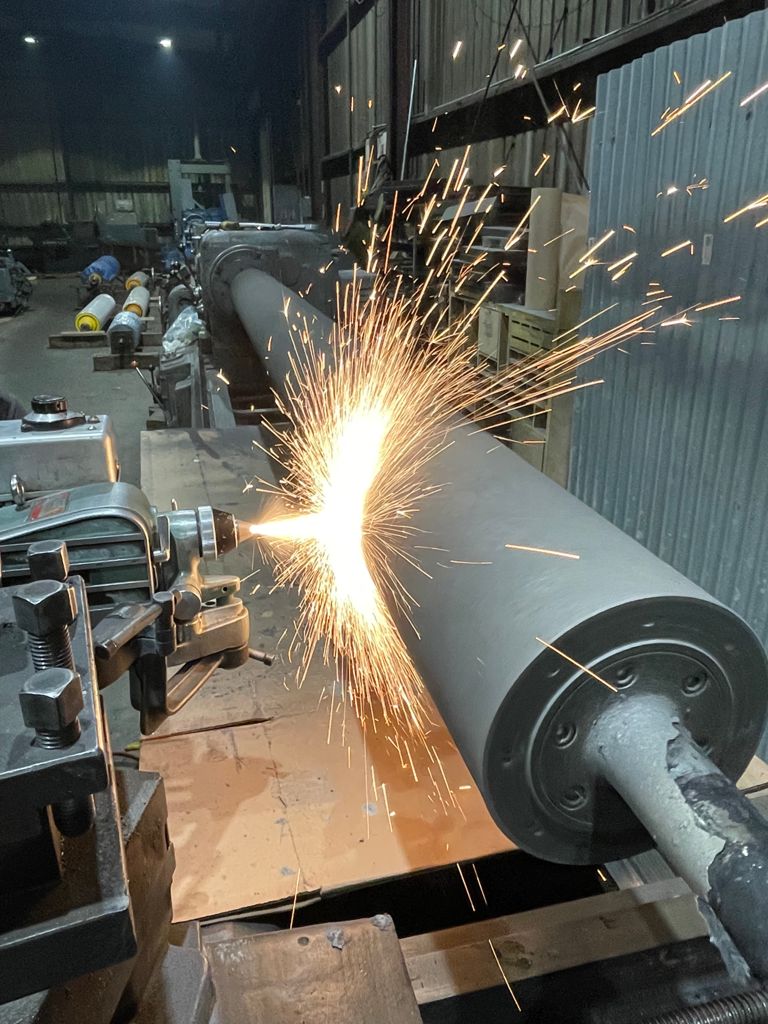
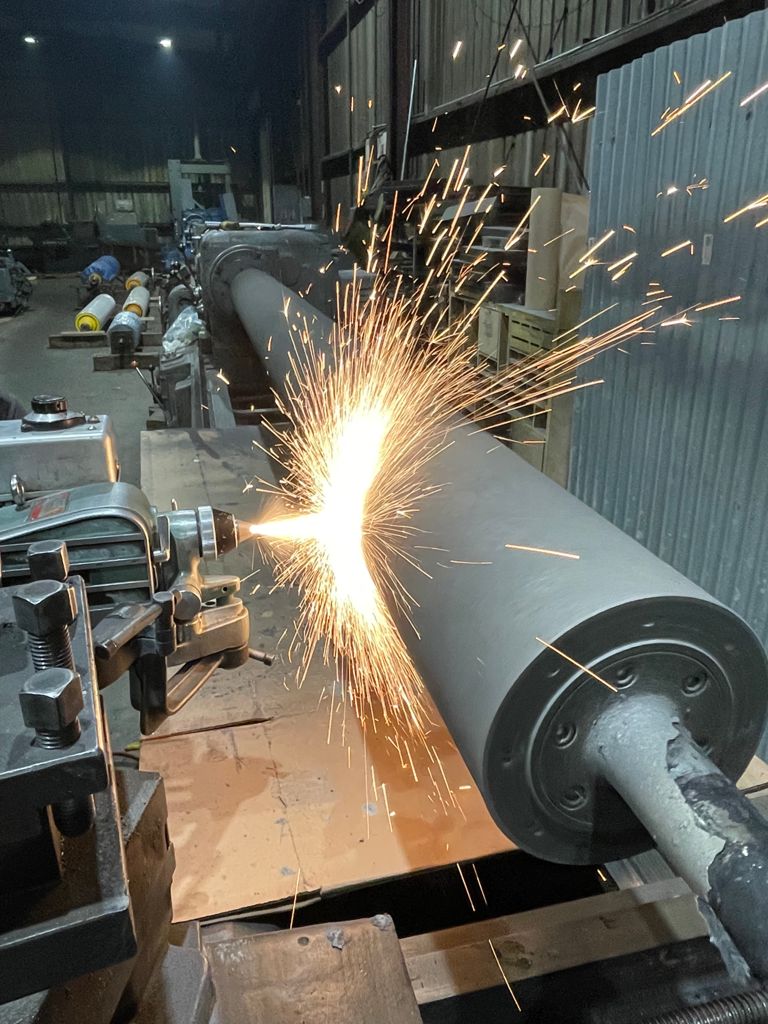
Reconditioning breathes new life into worn rollers. This process involves restoring rollers to their optimal state, often extending their lifespan significantly. Techniques include precision grinding and balancing, ensuring flawless performance.

Consider this: Instead of replacing a roller, reconditioning can cut costs by up to 50%. It’s a smarter choice, especially when dealing with durable materials. Many believe replacement is the only option, but reconditioning offers a cost-effective alternative.

Benefits of Precision Grinding

Precision grinding is a game-changer in roller maintenance. It ensures your rollers maintain their perfect shape, eliminating any surface irregularities. This results in improved line speed stability and reduced scrap rates.

Precision grinding is often overlooked, yet it drastically improves roller performance. With a smooth surface, your rollers deliver consistent results, enhancing overall production quality. Explore the technical details of precision grinding.

Partnering with Thistle Roller Co.

When it comes to roller maintenance and replacement, partnering with experts can make all the difference. Thistle Roller Co. stands out for its exceptional service and expertise.

Expertise in Custom Solutions

Thistle Roller Co. excels in delivering tailored solutions. Whether it’s custom-engineered rollers or specialized coatings, they cater to specific industry needs. Their expertise ensures your production line runs without a hitch.

Clients often seek standard solutions, but Thistle offers bespoke options that address unique challenges. This approach reduces downtime and boosts efficiency.

Comprehensive Support Services

Support from Thistle Roller Co. goes beyond just products. They provide comprehensive services, including audits, reconditioning, and coatings. This holistic approach ensures your operations remain uninterrupted.

A roller failure can halt production. Thistle’s support services quickly address issues, getting you back on track. Their commitment to customer satisfaction is unmatched. See what makes Thistle a trusted partner.

Fast-Turn Replacement Options

Time is of the essence in manufacturing. Thistle Roller Co. offers fast-turn replacement options, minimizing downtime and keeping your production line moving. Their efficient processes ensure you receive high-quality replacements swiftly.

Imagine losing valuable production hours waiting for replacements. Thistle’s rapid turnaround prevents this scenario, providing peace of mind knowing you’re in reliable hands.

Learn how precision rollers solve your toughest manufacturing challenges.

How To Choose The Right Industrial Roller For Your Application: An Engineer’s Checklist

How To Choose The Right Industrial Roller For Your Application: An Engineer’s Checklist

Choosing the wrong industrial roller costs you more than money—it costs uptime. Your production line demands rollers that match every detail: design, material, coating, and surface finish. This engineer’s checklist breaks down how to pick the right roller for your application and avoid costly failures. Read on to get a clear framework that keeps your line moving and your downtime low. For more insights, check out this guide on selecting the right conveyor rollers.

Assessing Industrial Roller Needs

Understanding your roller needs is crucial to reducing downtime. Let’s dive into what your operation truly requires, starting with functionality.

Determining Roller Functionality

Every roller serves a unique purpose. The right choice begins with knowing what you need it to do. For instance, should it handle web tension or move materials smoothly on a conveyor? Consider these aspects:

  • Application type: Does the roller need to support, transport, or guide materials?

  • Load requirements: Determine the weight and speed the roller must handle.

  • Environmental factors: Think about temperature, humidity, and chemical exposure.

By pinpointing these factors, you can ensure your roller meets its intended role, ultimately reducing maintenance needs.

Identifying Core Material Requirements

The material of your roller is more critical than it seems. It impacts the roller’s durability and suitability for specific tasks. For instance, rubber covered rollers offer grip, while ceramic coatings resist wear in high-temperature environments.

  • Load and wear resistance: Polyurethane is excellent for heavy-duty tasks.

  • Temperature tolerance: Stainless steel excels in heat.

  • Chemical exposure: Nitrile rollers resist oils and solvents.

Material choice directly affects how well your roller performs and lasts.

Evaluating Coating Options

Coatings add a protective layer, enhancing roller life. Choosing the correct coating reduces maintenance and replacement needs. Consider these coatings:

  • HVOF coatings for extreme wear resistance.

  • Silicone coatings for heat and chemical resistance.

  • EPDM coatings for flexibility and durability.

Coatings are not just an add-on. They are essential for specific operating conditions.

Selecting Roller Design Features

Design features can make or break roller efficiency. A well-designed roller will address specific operational demands, ensuring smooth performance.

Precision Machining and Grinding

Precision is key in roller manufacturing. Accurate machining ensures that each roller fits perfectly into your system, minimizing friction and wear.

  • Precision machining ensures exact specifications.

  • Precision grinding provides a smooth surface, reducing drag.

  • Dynamic balancing minimizes vibration, extending roller life.

Thorough machining processes are vital for maintaining high performance and reducing wear.

Surface Finish and TIR Control

A roller’s surface finish affects material handling and wear. Total Indicator Runout (TIR) must also be tightly controlled to prevent operational issues.

  • Surface finish Ra determines smoothness; a lower Ra means a finer finish.

  • Runout tolerance relates to the roller’s roundness.

Precise control over these factors ensures stability and reduces downtime risks.

Roller Crowning and Grooving

Crowning and grooving can optimize roller performance by improving material tracking and reducing wear.

  • Roller crowning helps manage material position and tension.

  • Grooved rollers channel materials or fluids effectively.

Proper design considerations here lead to better performance and longer roller life.

Ensuring Operational Reliability

Reliability is non-negotiable in industrial settings. This section will guide you in maintaining your rollers for optimal uptime.

Maintenance and Roller Reconditioning

Regular maintenance is your best defense against roller failure. Even the most durable rollers require upkeep to perform consistently.

  • Inspect rollers frequently for wear or damage.

  • Implement a roller reconditioning program to restore performance.

Proactive maintenance prevents costly operational disruptions.

Lead Time Reduction Strategies

Reducing lead times can significantly impact your operation’s efficiency. By anticipating needs and preparing accordingly, you minimize waiting periods.

  • Use a core exchange program to have replacements ready.

  • Keep a stock of essential rollers to avoid delays.

These strategies help maintain smooth operations without unexpected halts.

Partnering for Long-Term Support

Choosing the right partner for roller supply and support ensures you have reliable backup when needed.

  • A partner like Thistle Roller Co. provides custom-engineered rollers tailored to your needs.

  • Industry-leading warranty and customer support ensure peace of mind.

Building a relationship with a trusted partner guarantees continuous support and reliability.

Each step you take in assessing, selecting, and maintaining your rollers not only ensures optimal performance but also minimizes downtime and increases the longevity of your equipment. Remember, investing time now in the right choice prevents costly mistakes in the future.