
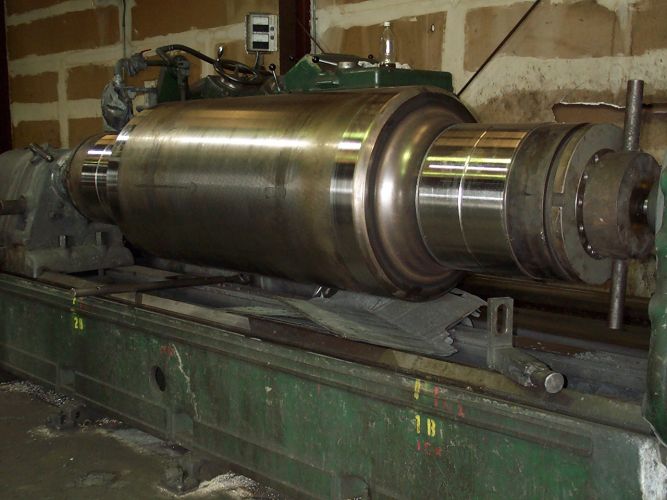
Small roller defects might seem harmless at first. Yet, they quickly trigger web breaks, coating defects streaks, chatter marks, and unplanned downtime that hit your bottom line hard. Understanding how roller runout, total indicated runout TIR, and surface finish Ra impact your line is key to stopping these costly interruptions. In this post, you’ll learn how precise specs, inspection, coatings, and reconditioning keep your industrial rollers running smooth and your production on track. Learn more about how to specify the right rollers for demanding applications on Thistle Roller Co..
Understanding Roller Defects
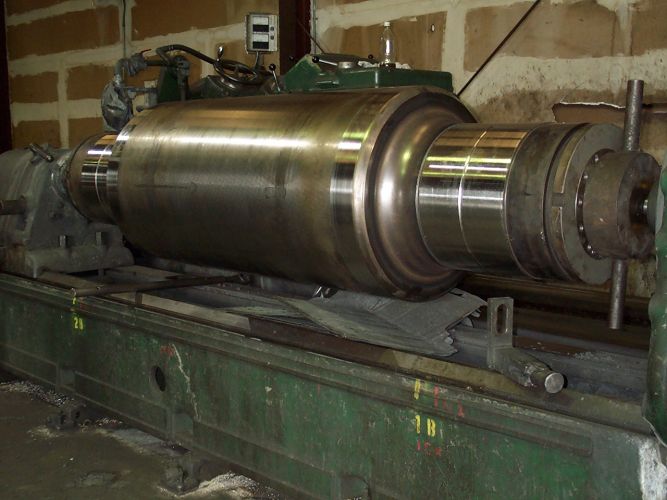
Grasping the impact of small roller issues is essential in manufacturing. Ignoring them can lead to major disruptions. Let’s explore the real cost of these defects, how they occur, and their effect on your production line.
The Cost of Small Defects
Minor roller defects might seem insignificant, but they can wreak havoc on operations. A tiny imperfection can lead to web breaks, causing production delays. Each minute of downtime directly impacts your bottom line. In fact, every unplanned stop not only lowers productivity but also increases operational costs. Imagine the financial strain if your line halts due to a defect that could have been prevented. The key insight here: a little attention to detail can save you from substantial expenses.
Identifying Common Roller Issues
Understanding common roller issues is your first defense. Roller runout and total indicated runout (TIR) are frequent culprits. These affect alignment, leading to uneven material handling. Surface finish Ra, another critical aspect, influences how smoothly materials move. When rollers wear unevenly, they cause chatter marks and coating defects. Knowing these tells you where to focus your preventive efforts. Are you seeing streaks or uneven coatings? It’s time to check those rollers.
Impact on Production Efficiency
Rollers operating below par reduce efficiency across the board. Every defect disrupts the flow, slowing down line speed optimization. You might face bottlenecks or increased waste. Consistent performance relies on keeping your rollers in top shape, minimizing interruptions. A smooth operation ensures higher output and less stress on your equipment. Don’t let small defects dictate your production pace. They are manageable with the right approach.
Preventative Measures for Downtime Reduction
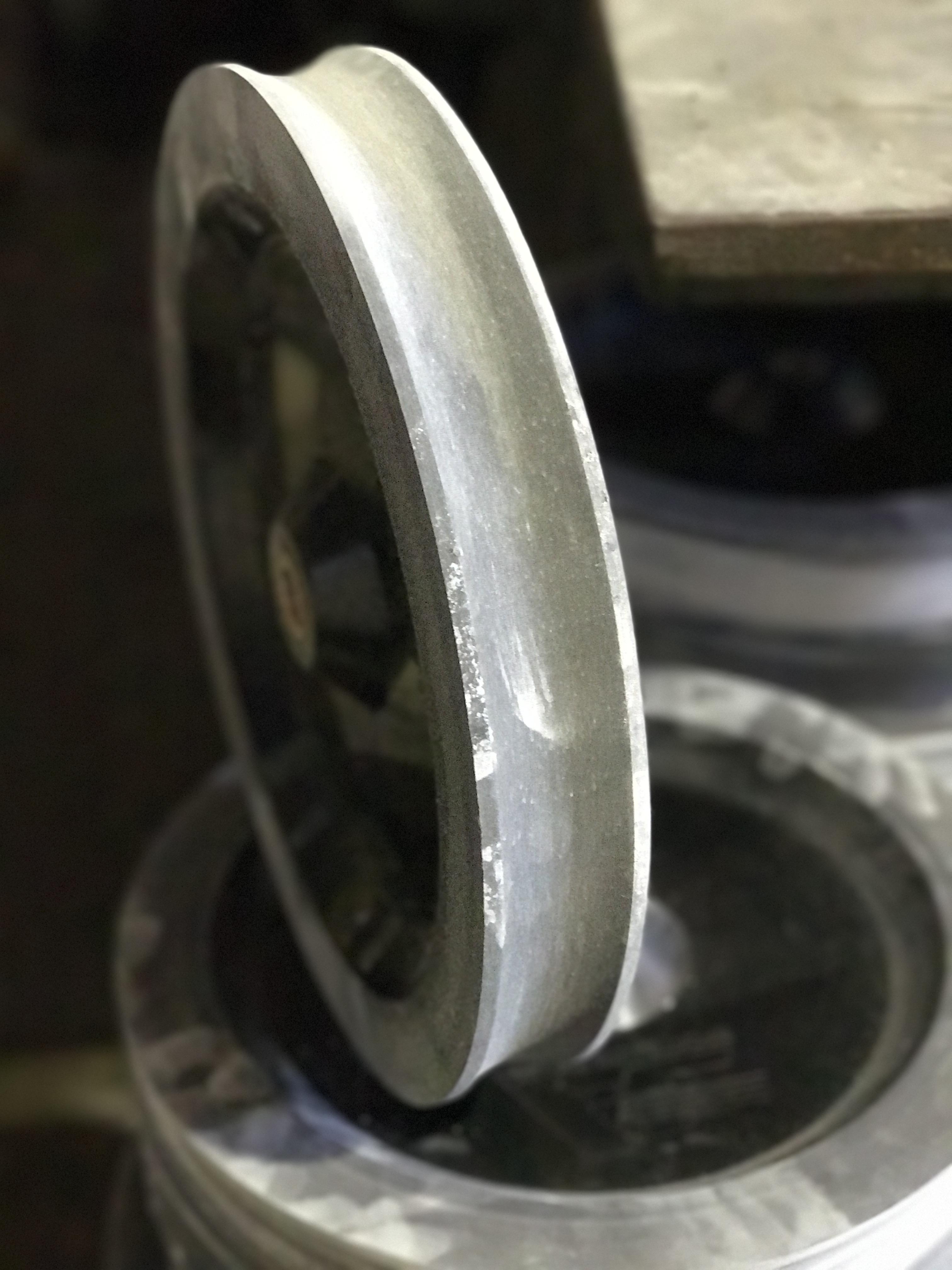
Once you understand roller defects, preventing them becomes the priority. Regular inspections, proper specifications, and effective reconditioning play crucial roles. Let’s delve into how these actions can safeguard your production line.
Importance of Regular Inspections
Routine inspections are your front line in defect prevention. They help catch issues before they escalate into major problems. Regular checks can identify roller runout and surface imperfections early. Establishing a consistent inspection schedule allows for timely interventions, such as predictive maintenance or necessary adjustments. You wouldn’t want a small nick to turn into widespread damage. Proactively addressing defects keeps downtime at bay and ensures your equipment runs smoothly.
Benefits of Proper Specifications
Choosing the right rollers is vital. Proper specifications, like bearing fit tolerance and crown profile, ensure optimal performance. Rollers tailored to your needs help maintain line efficiency. They prevent common issues like durometer drift and nip pressure control problems. Investing in correctly specified rollers from the start sets you up for long-term success. It’s about matching the roller to the job, ensuring it can handle the demands of your production environment.
Role of Coatings and Reconditioning
Quality coatings and regular reconditioning extend roller life. Techniques like HVOF coatings and tungsten carbide coating enhance durability. These coatings resist wear and maintain surface quality longer. Reconditioning brings old rollers back to optimal condition, saving costs on replacements. By focusing on these areas, you ensure your rollers meet performance standards consistently. It’s about preserving functionality and avoiding the pitfalls of neglect.
Expertise in Precision Roller Manufacturing
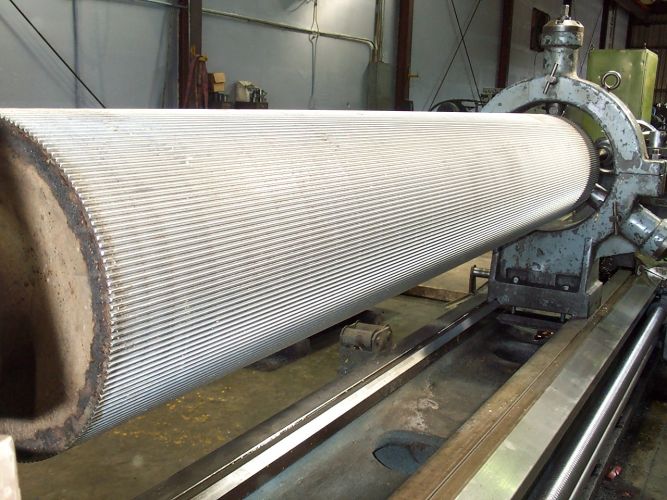
Precision roller manufacturing demands expertise. Advanced technologies and engineering ensure your rollers perform at their best. Let’s examine the key elements that make Thistle Roller Co. your trusted partner in overcoming roller defects.
Advanced Coating Technologies
Advanced coatings enhance roller performance significantly. Options like ceramic coating and HVOF provide exceptional wear resistance. These coatings protect against harsh environments and extend roller life. By utilizing cutting-edge technology, you reduce maintenance needs and downtime. It’s an investment in longevity and efficiency that pays off in the long run. When your rollers last longer, your production line benefits.
Precision Engineering for Optimal Performance
Precision engineering is the backbone of effective roller manufacturing. Ensuring concentricity and dynamic balance G2.5 are vital for smooth operation. Proper engineering reduces vibration and enhances performance. When rollers are precisely crafted, they handle production stress better. This translates to fewer disruptions and higher output. Precision is not just about making things work; it’s about optimizing every aspect for superior results.
Expert Support and Maintenance Solutions
Support and maintenance are critical in maintaining roller effectiveness. Expert advice helps address issues like thermal growth and vibration analysis. Maintenance solutions, such as core exchange programs, ensure you’re never without functional rollers. Having a reliable partner for support means you’re never alone in facing challenges. It’s about building a relationship that ensures your production line stays robust and efficient. Trust in Thistle Roller Co. to support your needs with unparalleled expertise.
By understanding roller defects, implementing preventative measures, and leveraging expert manufacturing, you secure a smooth production process. This approach not only saves costs but ensures your operations remain uninterrupted and efficient.
See the true cost of ignoring roller challenges before it impacts your operations.