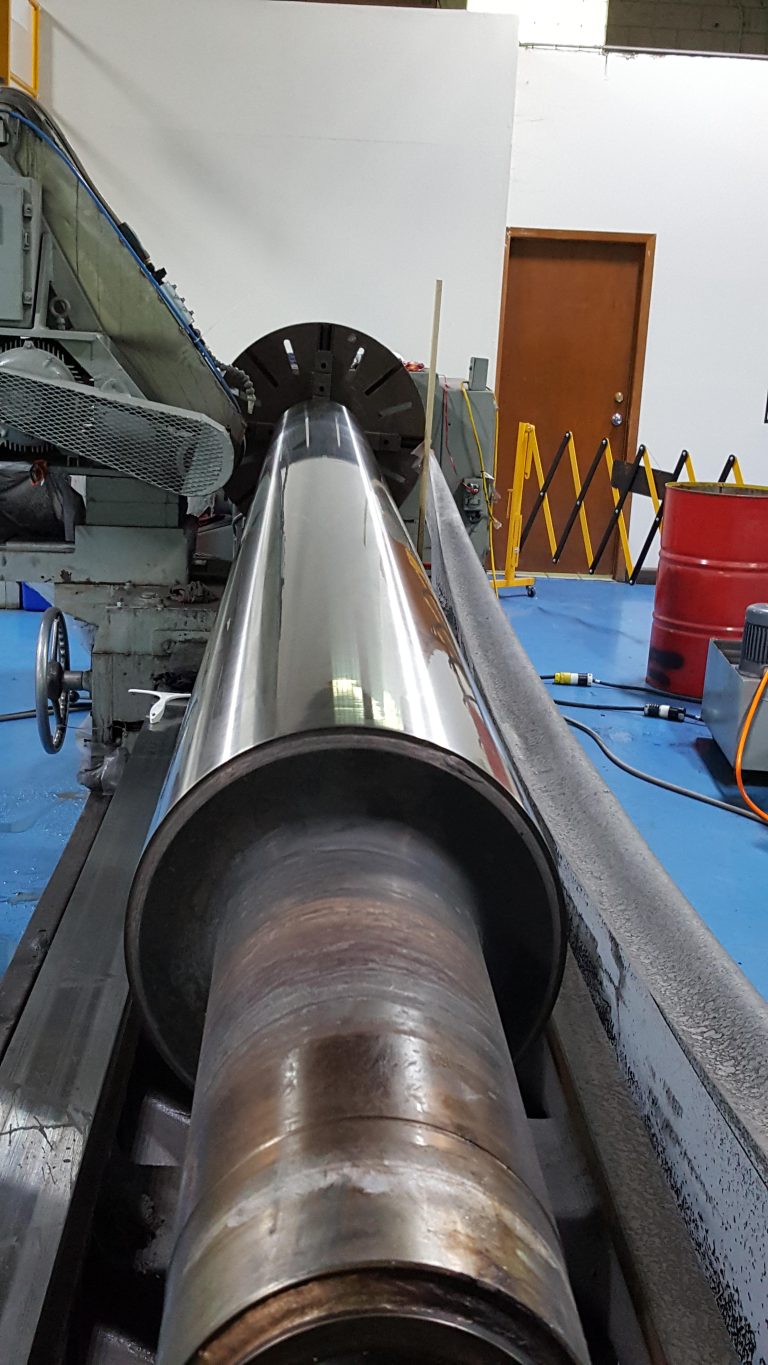
Mid-year maintenance planning: lower roller failure risk and protect uptime
Mid-year maintenance reduces roller failure risks, extends service life, and protects uptime with regular inspections

Mid-year maintenance reduces roller failure risks, extends service life, and protects uptime with regular inspections
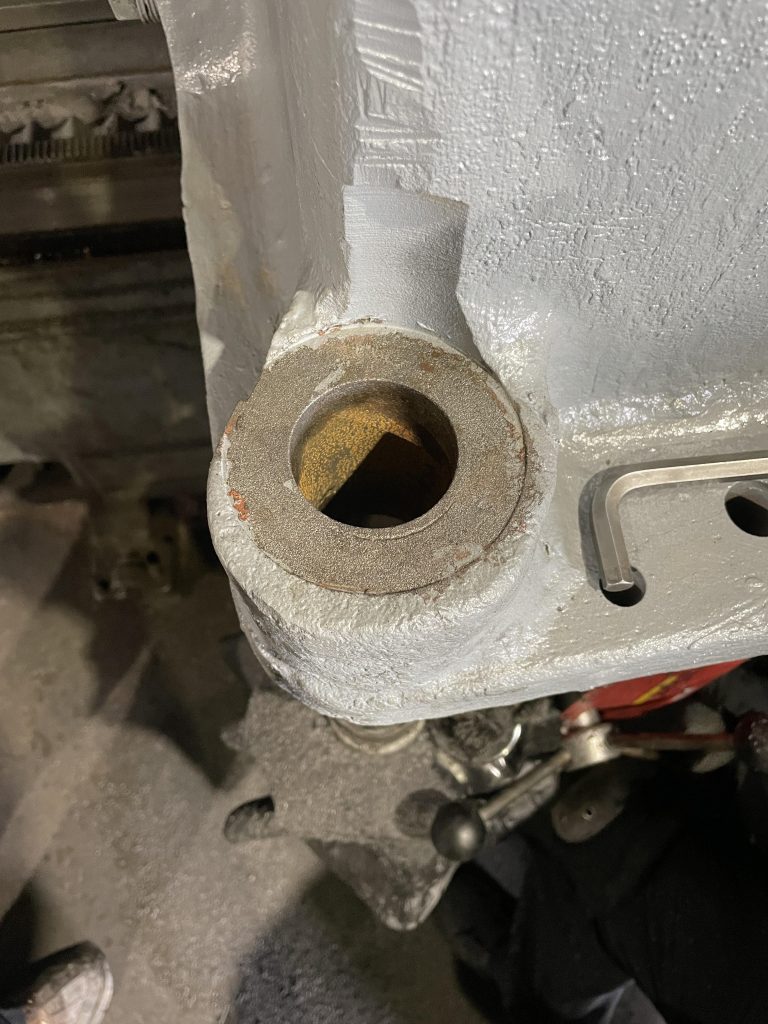
Thistle Roller Co. offers rapid response support, emergency repairs, precision-engineered rollers, and fast shipping to
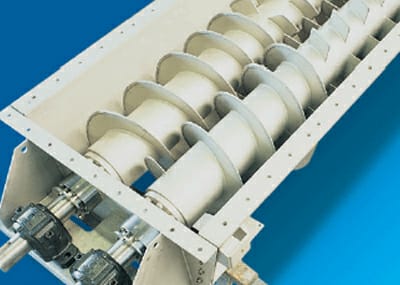
Thistle Roller Co. offers proactive roller support plans with criticality ranking, predictive maintenance, reconditioning, and
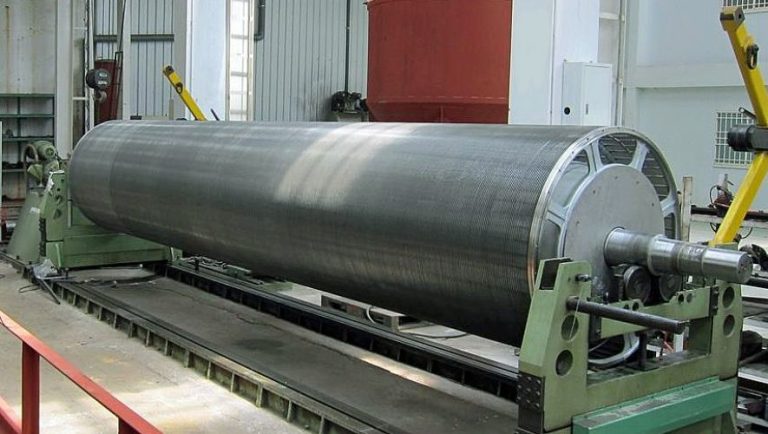
Choose a roller partner prioritizing rapid response, precision manufacturing, reduced lead times, reliable MRO support,
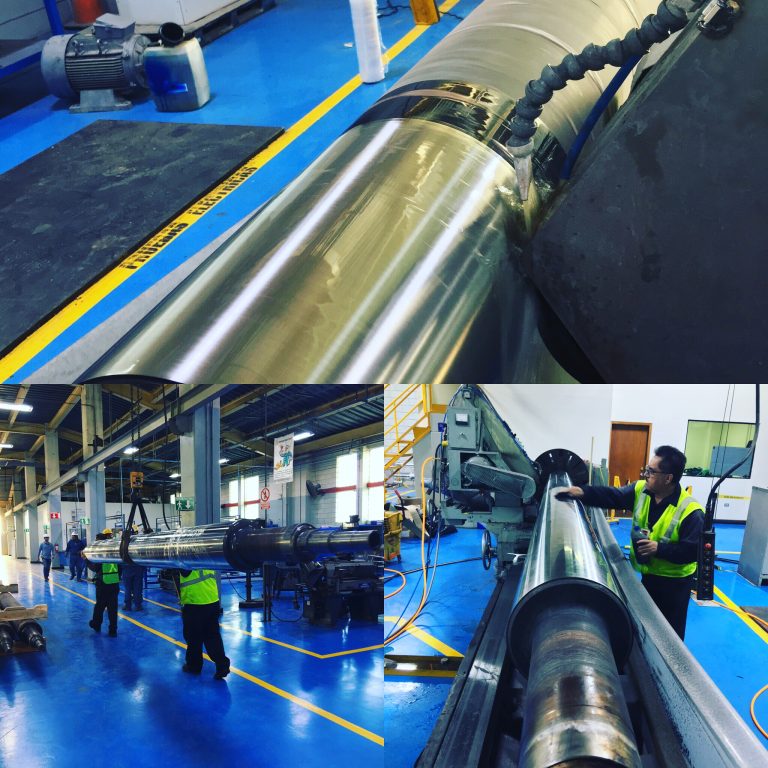
Thistle Roller Co. offers comprehensive post-delivery support including precise commissioning, performance verification, predictive maintenance, and

Thistle Roller Co. reduces OEM and MRO downtime with proactive support, rapid response, core exchange
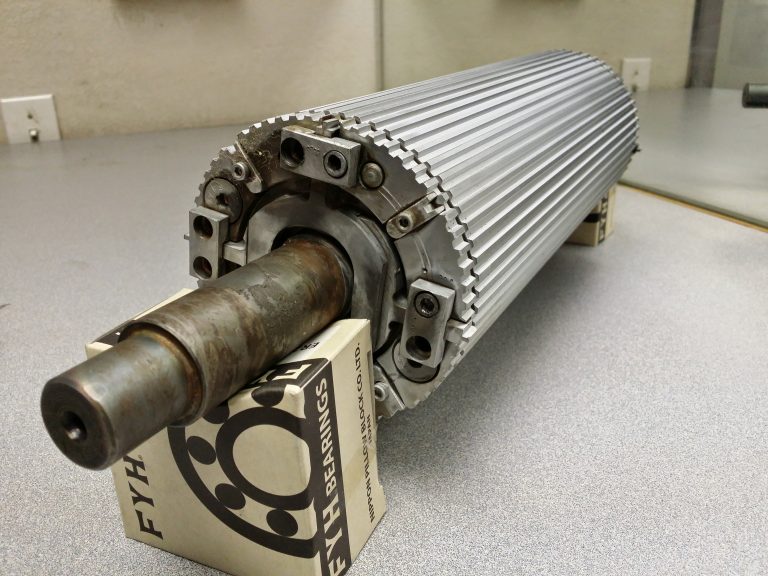
Thistle Roller Co. offers custom, precision rollers with advanced coatings and expert support, reducing downtime
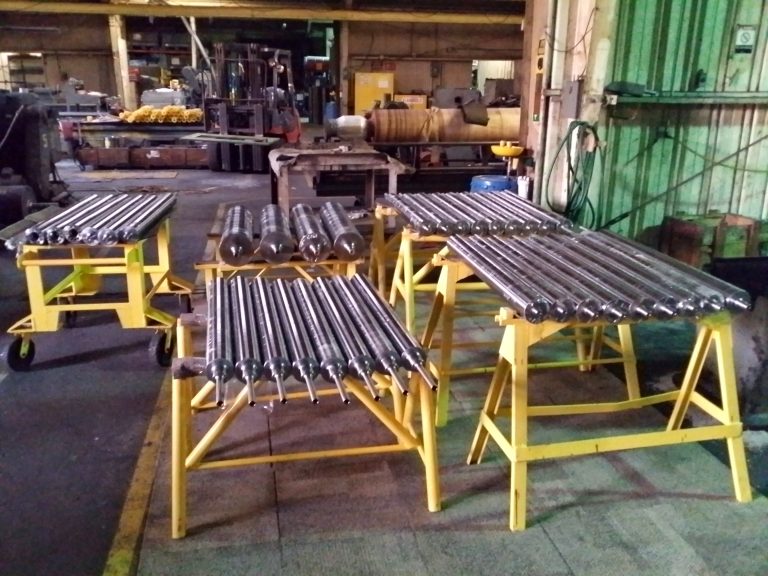
A strong industrial roller warranty reduces downtime, aids maintenance planning, supports OEM/MRO efficiency, enhances performance
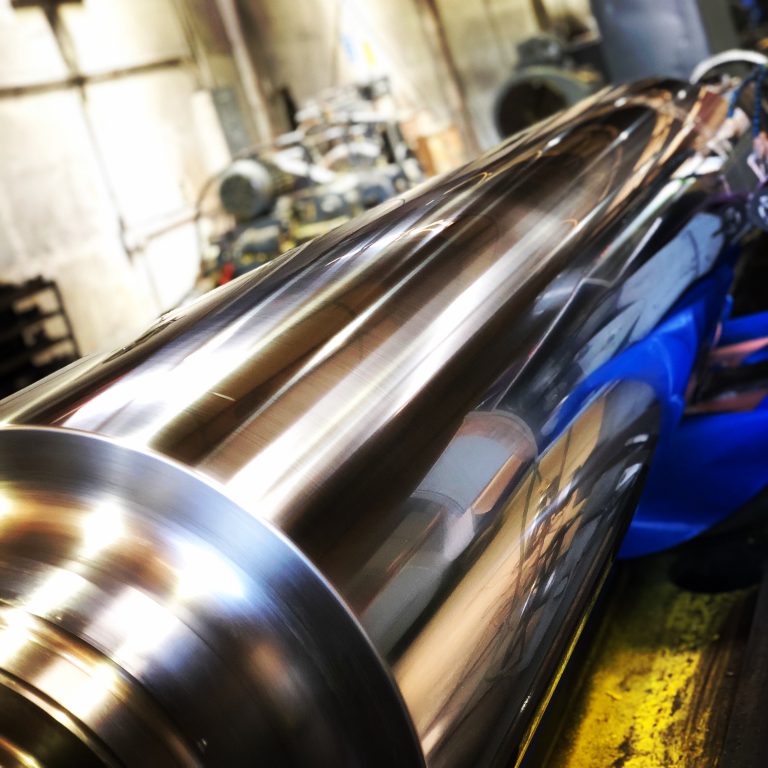
Strong customer support from Thistle Roller Co. extends roller life, reduces downtime, and protects costs

Thistle Roller Co. offers rapid, in-house industrial roller diagnostics, repair, and expedited manufacturing to minimize
A strong warranty with Thistle Roller Co. ensures quick OEM replacements, roller reconditioning, and MRO
Warranty coverage is essential in roller replacement to protect production uptime, reduce downtime risks, and