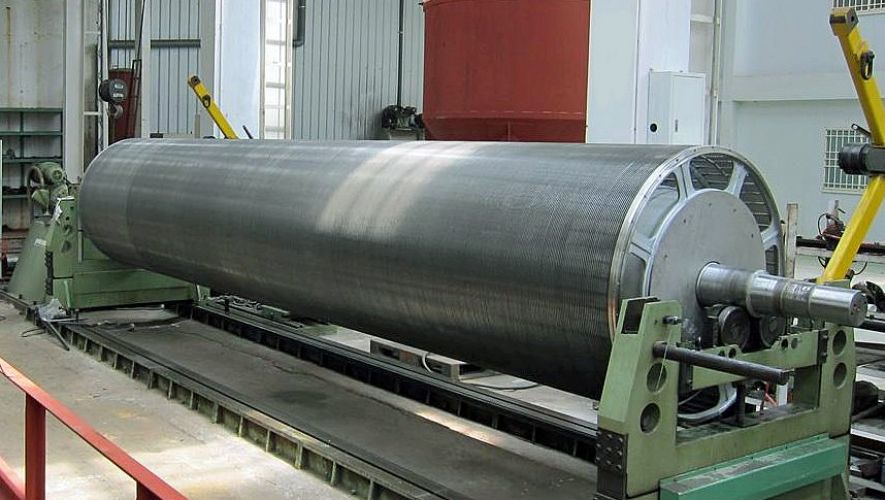
When a roller fails, the line waits on whoever you call next. Quality matters, but so does what happens before, during and after the job: how fast you get a quote, whether the lead time holds, and whether anyone picks up the phone when something goes wrong.
This is a practical checklist for maintenance, engineering and purchasing teams at OEM and MRO operations choosing a roller partner.
1. Speed you can plan around
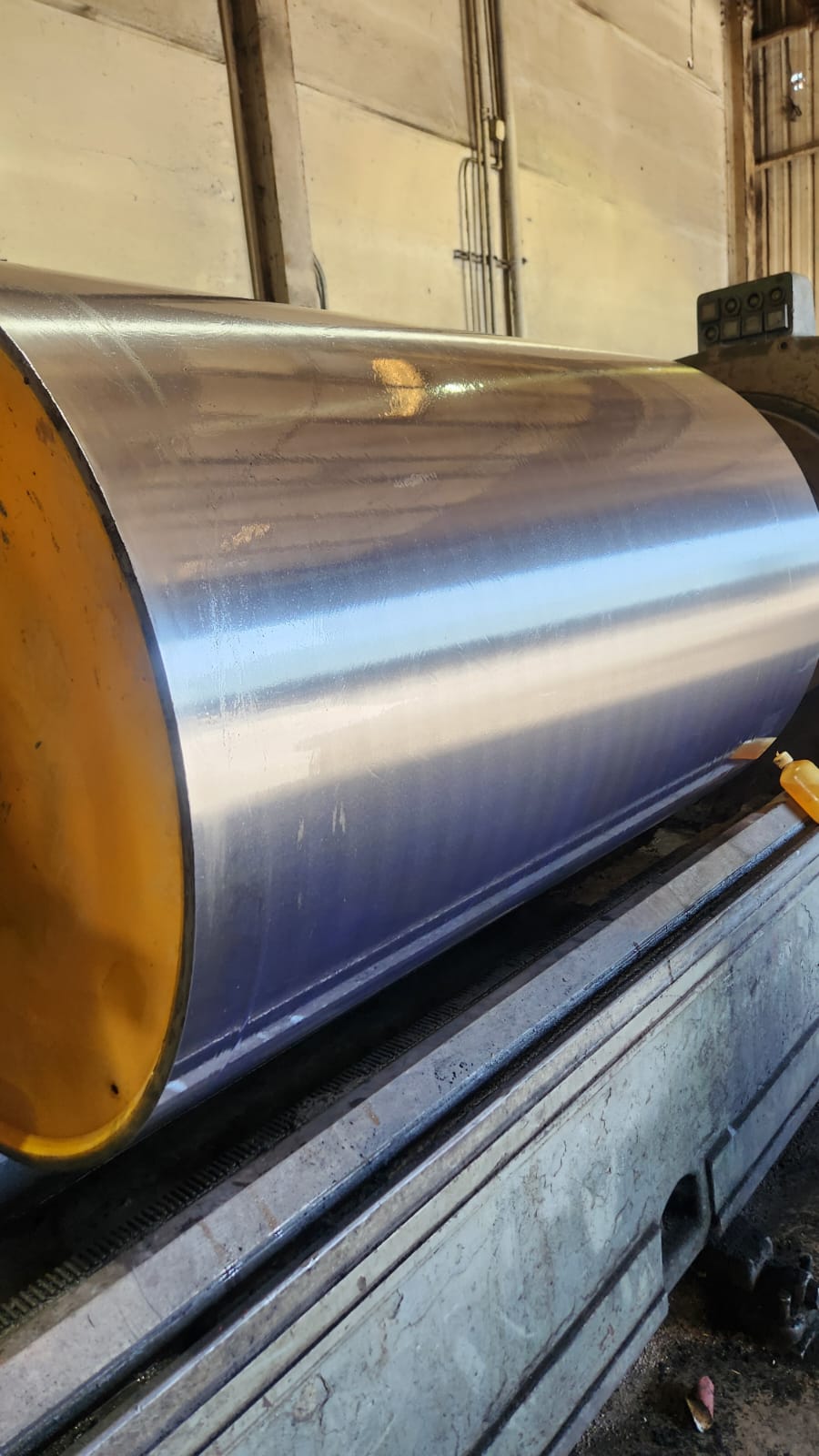
- Quote turnaround. Can you send a drawing, a photo or the old roller and get a clear answer quickly?
- Honest lead times. Ranges you can plan a shutdown around, and updates if anything changes.
- Rush capability. When a line is down, can the shop move your job up?
Thistle Roller turnaround runs from a few days to a few weeks depending on the job, and we tell you the range up front.
2. Quality that doesn’t come back
A fast roller that fails early just moves the downtime to next month. Look for:
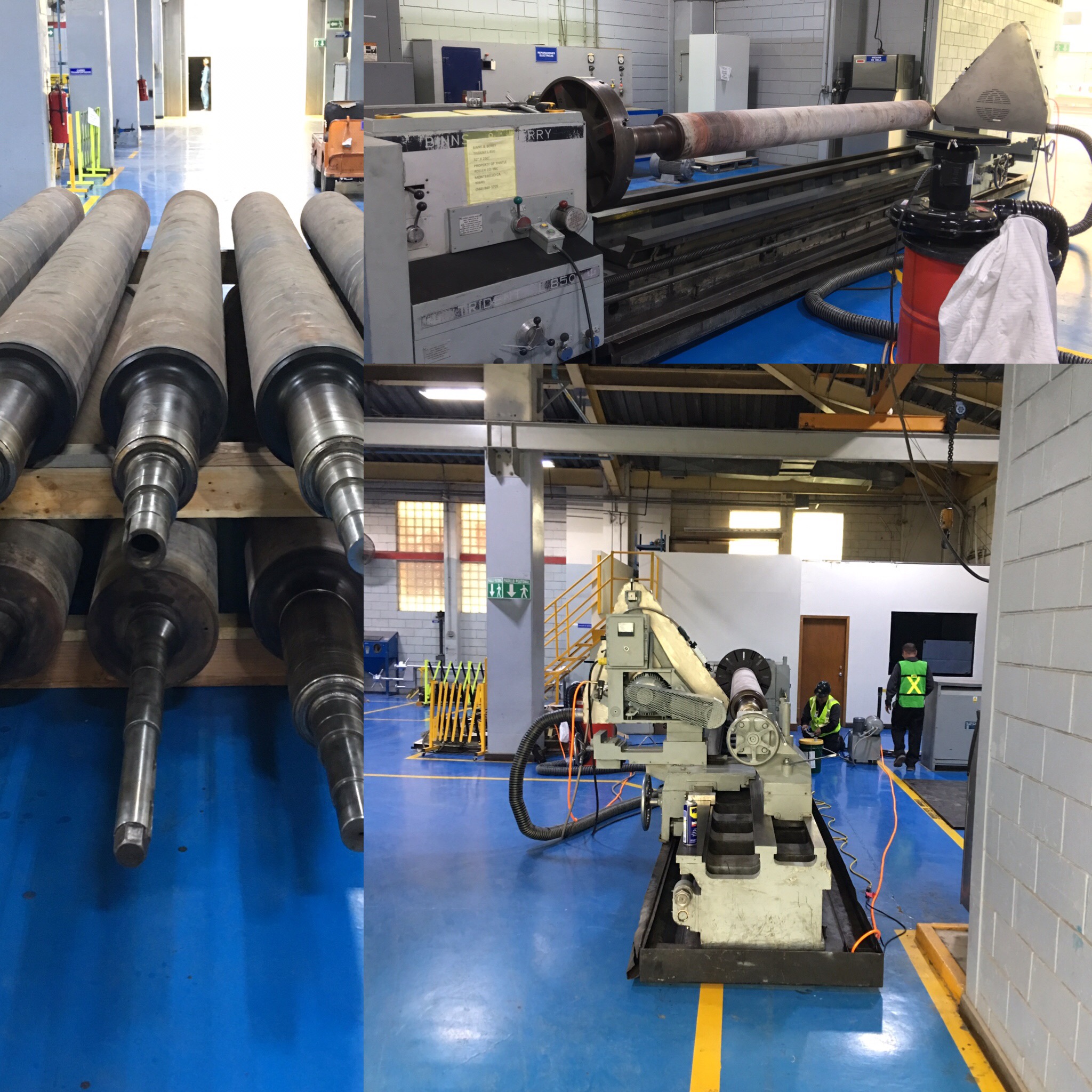
- Work done in house. Machining, grinding, balancing, plating, urethane casting and inspection under one roof means fewer hand-offs and tighter control. That’s how Thistle works.
- Inspection data. TIR runout, concentricity, hardness and coating thickness checks, with paperwork available on request.
- The right cover for the job. A partner should ask about heat, chemicals, speed and nip load before recommending a compound.
- A written warranty. Thistle backs every job for 1 year and ThistleFusion XtremeGlass Hybrid Polyurethane for 2 years.
3. Support before the failure
The best support keeps you from needing emergency service in the first place.
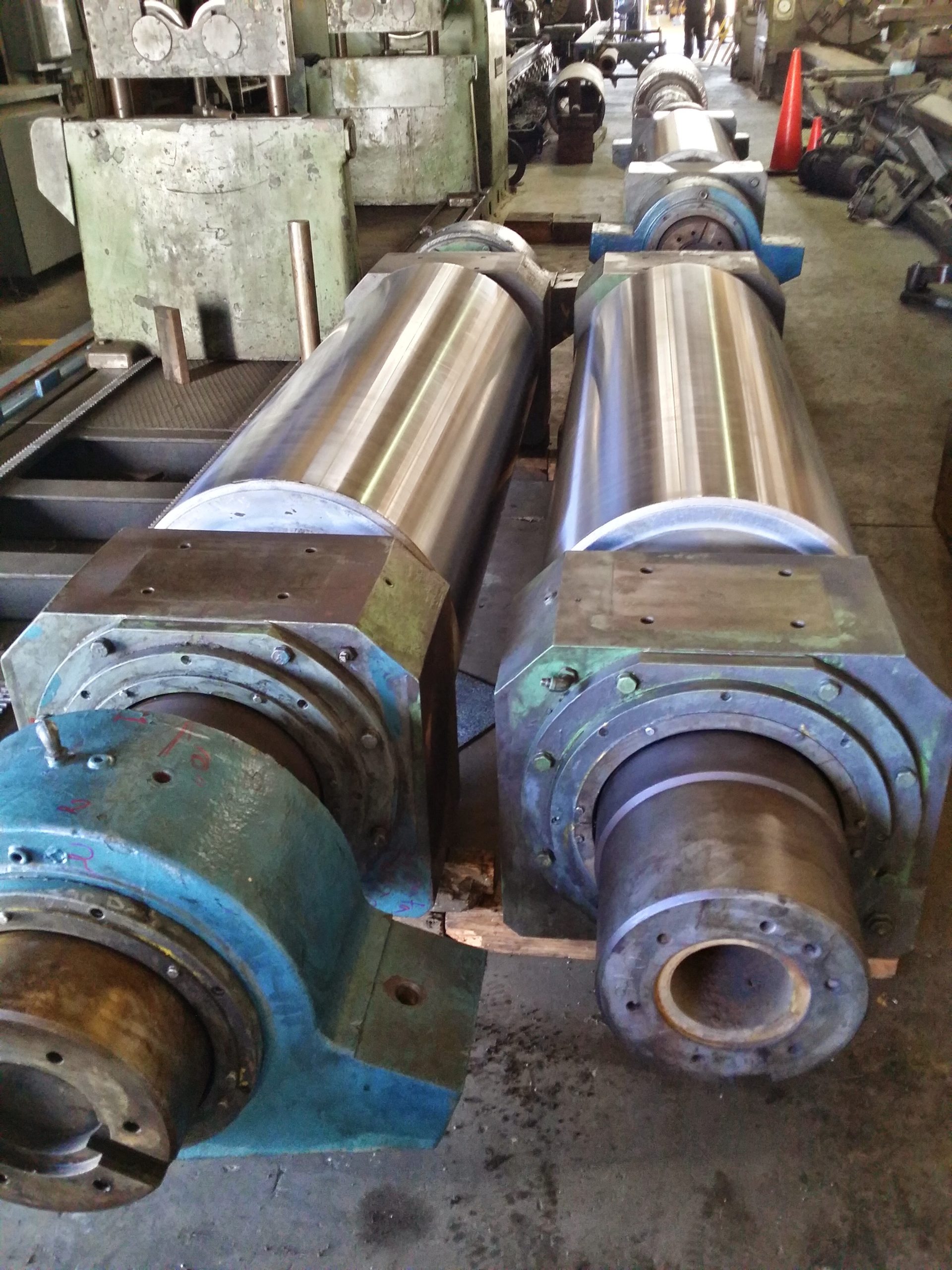
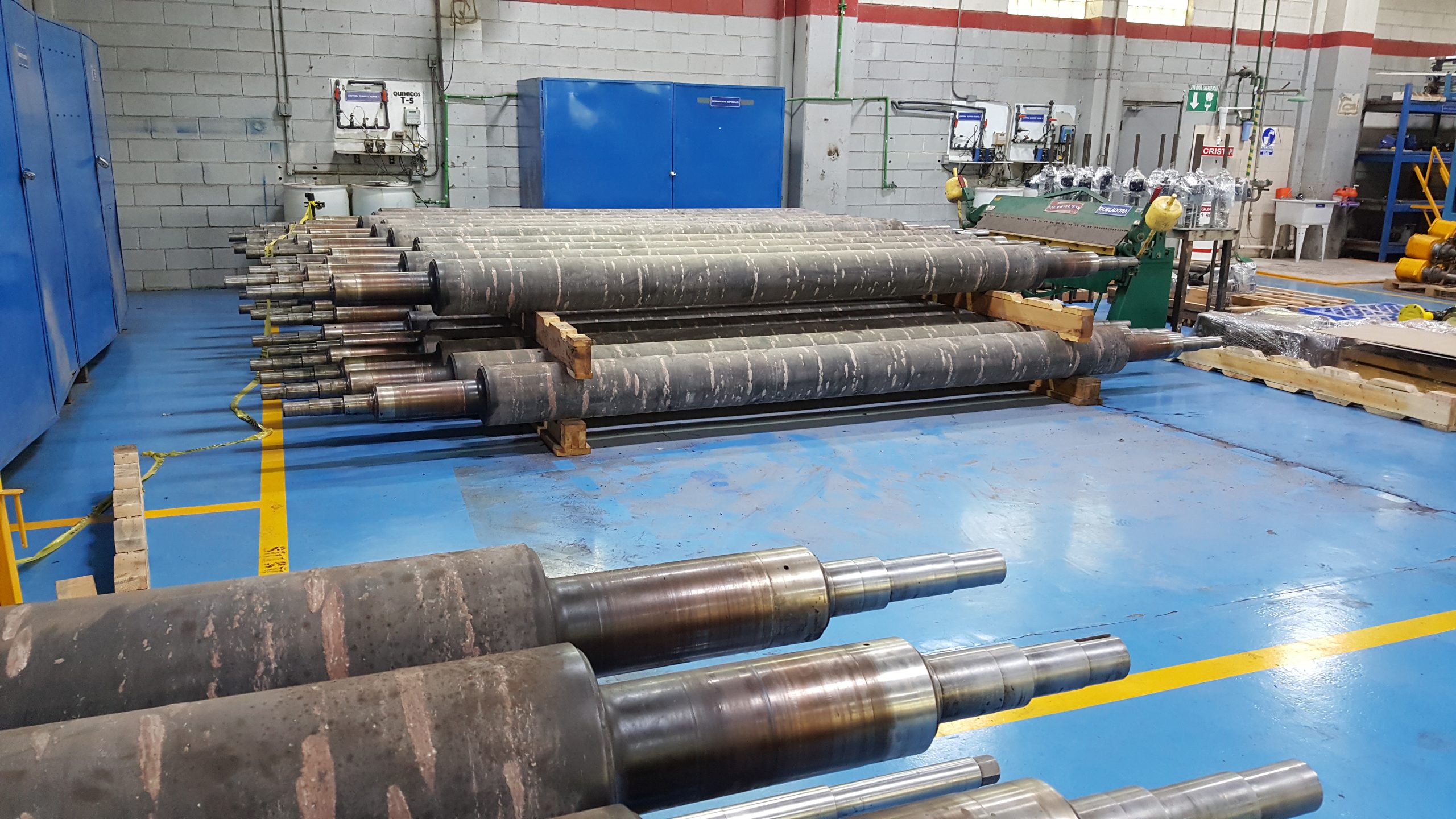
- Core exchange and spares. Keep recovered rollers on the shelf so a failure is a swap instead of a shutdown.
- Stocking programs. For one plant or several, so critical rollers are ready when you need them.
- Preventive and predictive maintenance help. Vibration analysis, laser alignment and ultrasound to catch problems early.
4. Support after delivery
A roller isn’t done when it ships. Installation, alignment and the first weeks of running are where small problems show up.
- On-site field service. Thistle’s field team handles inspection, measurement, troubleshooting and emergency support at your plant.
- Help with tracking, wrinkles and uneven wear. These often come from alignment or nip settings, not the roller itself, and a good partner helps you find the cause.
- A real person to call. Our team answers in English or Spanish.
5. Cost control over time
Low price and low cost are different things. A supplier that helps you recover instead of replace, right-size your spares and extend cover life lowers what you spend per year of service. Ask for a recover versus new comparison on every quote.
Questions to ask before you choose
- What’s your typical turnaround on a recover, and how do you handle a rush?
- Which steps do you do in house, and which do you send out?
- What inspection data comes with the roller?
- What warranty applies to this job?
- Do you offer field service, core exchange or stocking?
- Who do I call when something goes wrong?
Talk to Thistle Roller
For 70 years, Thistle Roller has built, recovered and reconditioned industrial rollers for plants across the western U.S. Send us your specs or a photo and we’ll get you a clear answer. Request a quote or call (562) 948-3705.