One roller fails and the whole line pays. The roller itself is usually the smallest number on the bill. The rest comes from everything that stops, gets scrapped or gets rushed while it’s out.
Add up the full cost of one failure
- Lost production. Line output per hour times the hours down, including startup and getting back to quality.
- Scrap and rework. Product made while the roller was failing: wrinkles, streaks, uneven coating, bad embossing, off-spec print.
- Labor. Crews standing by, overtime to catch up, maintenance hours on the change.
- Rush charges. Expedited work and freight when there’s no spare.
- Missed orders. Late shipments and the customers who notice.
Run those numbers once for your most critical line. It makes every spares and maintenance decision easier.
Small defects, big bills
Rollers rarely fail all at once. A few thousandths of runout, a glazed surface, a cover that has drifted a few points in hardness or swelled from chemical exposure can cause defects for weeks before anyone pulls the roller. That slow loss of quality and speed is often more expensive than the final failure.
Why unplanned maintenance drains budgets
Unplanned work costs more than planned work: rush pricing, overtime, expedited freight, and parts bought in a hurry. Plants that run rollers until they fail end up paying emergency prices for routine work.
How to cut the risk
- Watch for early warning signs. Cracks, glazing, swelling, hardness drift, bearing noise and new quality defects.
- Inspect on a schedule. Runout, hardness and surface checks, plus vibration analysis on critical rollers.
- Keep spares for critical positions through your own stock, core exchange or a stocking program.
- Match the cover to the job. The right compound for heat, chemicals, speed and nip load lasts longer.
- Recover before it fails. A planned recover in a shutdown window costs far less than an emergency one.
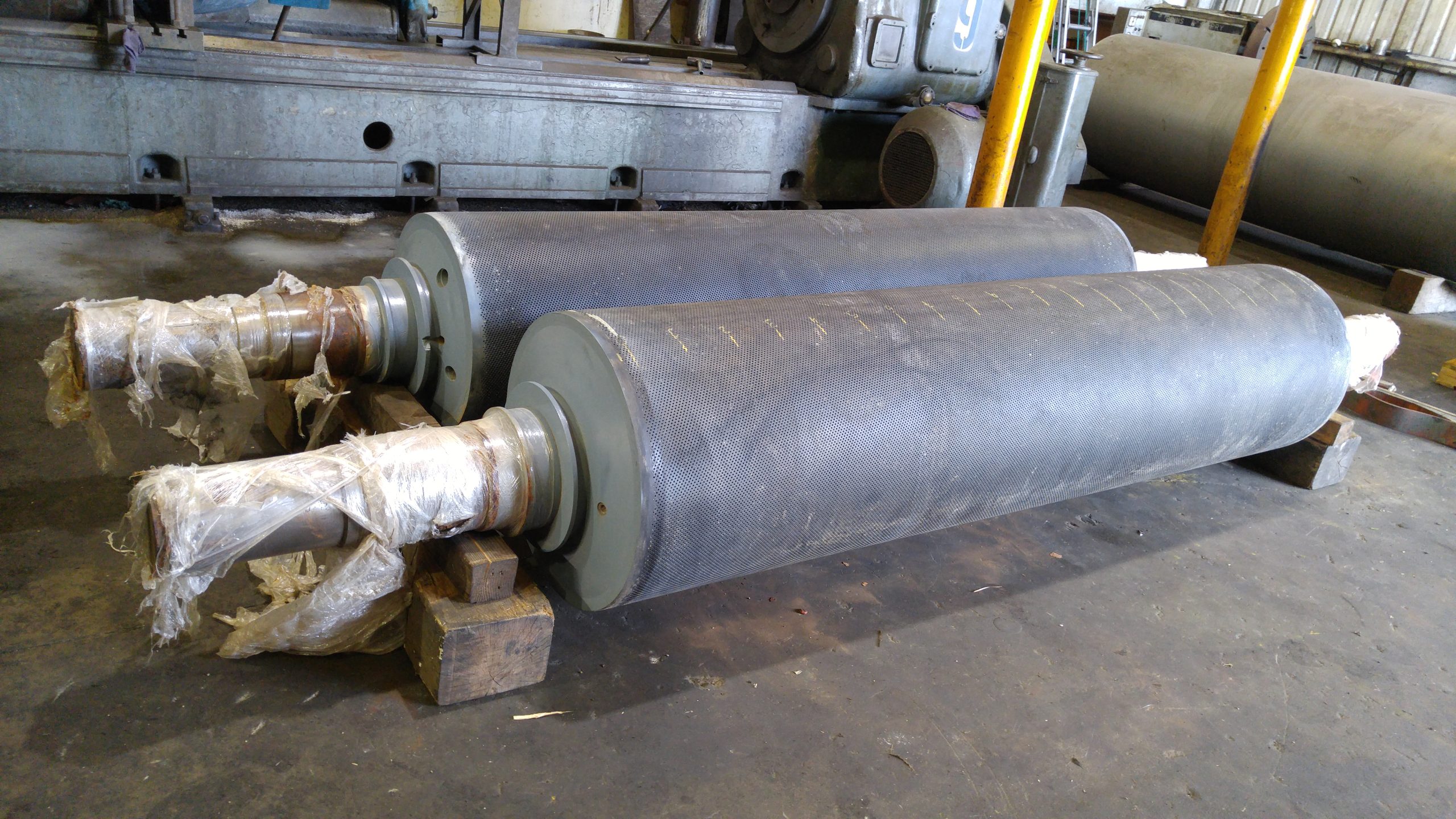
Longer-lasting covers lower the cost per year
On lines that wear covers fast, a tougher compound pays for itself. ThistleFusion XtremeGlass Hybrid Polyurethane is built for demanding abrasion, cut and tear conditions and carries a 2-year warranty, longer than the industry’s usual 1 year.
Get a second look
Send us photos of a worn roller or a list of your critical positions and we’ll tell you what we see and what it would take to fix. Request a quote or call (562) 948-3705.