Roller failure cost goes far beyond the repair bill. You’re facing lost output, wasted labor, and scrapped materials that quietly drain your bottom line. This breakdown will give your team a clear framework to spot where downtime hits hardest and how better roller design, coatings, and service partnerships cut those hidden costs. Keep reading to take control of your industrial rollers before they stop your line. For further insights on maintenance strategies, visit this resource.
Hidden Costs of Roller Failures
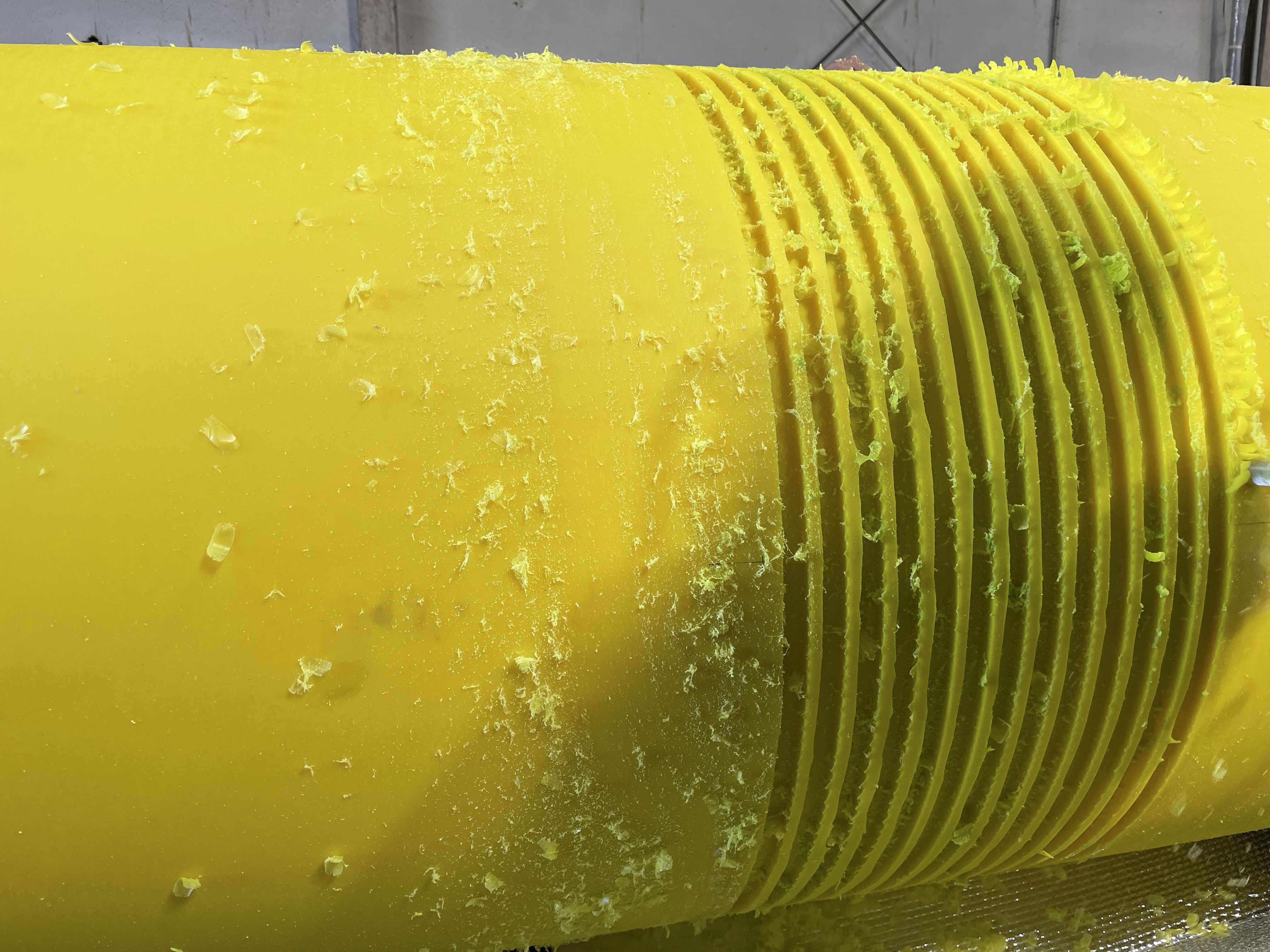
When your rollers fail, the consequences ripple through your operations. It’s not just about replacing a part; it’s about understanding all the hidden costs that impact your business.
Labor and Maintenance Expenses
Every time a roller fails, your team is pulled off their regular duties. Maintenance workers shift focus to emergency repairs, leading to a backlog of other essential tasks. This reactive mode can cause burnout and decreased productivity.
This shift in priorities often results in overtime costs. Workers stay late to catch up, driving labor expenses higher. Additionally, emergency repairs generally cost more than scheduled maintenance, further straining your budget. It’s a cycle you want to break: the more you wait, the more you spend.
Scrap and Material Waste
Failed rollers can ruin materials, causing a spike in scrap rates. Each damaged piece represents lost money. Over time, these costs add up, eating into your profits. The high cost of wasted materials might surprise you: each mistake multiplies, turning into a mountain of waste.
Material waste also impacts your sustainability goals. Industries are moving toward greener operations, and high scrap rates can hinder those efforts. Reducing waste not only saves money but also aligns with eco-friendly practices.
Lost Output and Downtime
Downtime is the silent profit killer. When rollers stop, so does production. The longer you wait for repairs, the more output you lose. This can delay orders, affecting customer satisfaction and your reputation.
Downtime also disrupts your supply chain. Suppliers and clients rely on your timely production, and delays can cause a ripple effect. Understanding downtime’s true cost helps in planning and preventing future disruptions. For a detailed analysis of downtime costs, refer to this government report.
Strategies to Minimize Costs
Recognizing the hidden costs is the first step. Now, let’s explore how you can tackle these issues head-on with effective strategies.
Designing Better Rollers
Investing in high-quality rollers pays off in the long run. Custom-engineered rollers are designed to meet your specific needs, reducing the chance of failure. This investment leads to fewer disruptions and a smoother operation.
Better roller design also means longer service life. When rollers are built to withstand your operational stresses, they last longer, which means fewer replacements. This extends beyond cost savings; it’s about consistent and reliable performance.
Advanced Coating Solutions
Coating technology, like HVOF, enhances roller durability. These coatings protect against wear and tear, significantly extending the roller’s life. The result? Less downtime and maintenance, translating to lower overall costs.
HVOF coatings are particularly useful in high-performance environments. They offer superior resistance to abrasion and chemicals, making them ideal for industries with demanding conditions. This advanced technology is a game-changer for maintaining efficiency.
Effective Service Partnerships
Partnering with a reliable service provider ensures timely maintenance and repairs. A good partner understands your needs and works proactively to prevent issues before they arise. This relationship is crucial for maintaining uptime.
Service partnerships also allow for shared expertise. Your partner can offer insights and recommendations based on industry best practices. This guidance helps you optimize your operations and reduce future costs.
Practical Steps for Operations Teams
Now that you know the strategies, let’s implement them with actionable steps for your team.
Implementing MRO Maintenance Planning
Regular maintenance planning is key. Establish a routine schedule to inspect and service your rollers. This proactive approach prevents unexpected failures and extends roller life.
Your maintenance plan should include detailed inspections and preventive actions. Keep track of past issues to identify patterns and address them before they escalate. This methodical approach saves time and money.
Leveraging Core Exchange Programs
Core exchange programs offer a practical solution for roller replacements. Instead of waiting for repairs, you exchange your damaged roller for a ready-to-use one. This minimizes downtime and keeps your production line moving.
These programs also simplify inventory management. You maintain a steady supply of functioning rollers without overstocking. This balance helps streamline operations and reduce lead times.
Calculating Total Cost of Ownership
Understanding the total cost of ownership for your rollers helps in making informed decisions. Consider all factors, including purchase price, maintenance, downtime, and operational efficiency. This comprehensive view provides clarity on your investment’s true value.
Calculating this cost helps you justify investments in better equipment and services. With a clear picture of long-term savings, you can prioritize spending on solutions that offer the most significant benefits. For a deeper dive into cost calculations, explore this technical report.
By addressing these areas, you not only manage costs but improve overall efficiency. Take control of your operations and protect your bottom line.
See the true cost of ignoring roller challenges before it impacts your operations.