Thistle Roller Co.

One Roller Fails. The Whole Line Pays: Why Roller Failures Are Rarely Isolated

One roller fails, and suddenly your entire line feels the pinch. Roller failure analysis shows these breakdowns rarely happen in isolation. Misalignment, uneven load, surface wear, and heat build quietly before a single roller gives out. Understanding these hidden issues can save hours of downtime and costly replacements. Read on to learn how Thistle Roller Co. tackles root causes with precision rollers built to last. Learn more about why standard rollers fail here.

Understanding Roller Failures
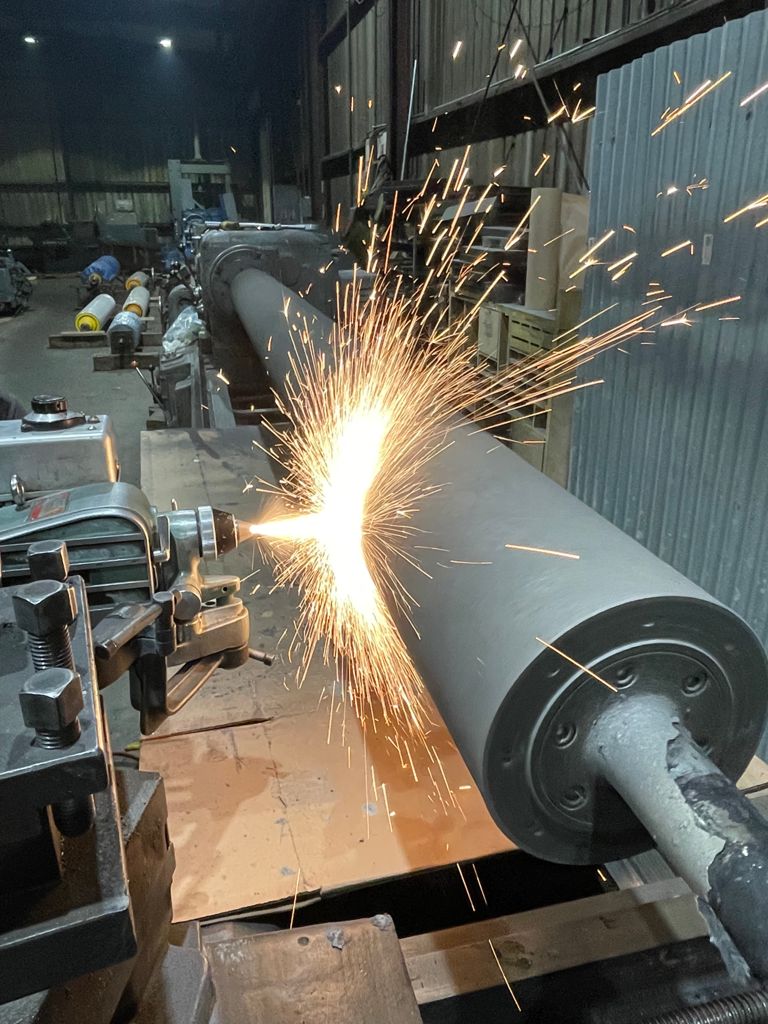
When a roller fails, it often signals deeper issues in your system. These underlying problems can affect your operations if not addressed promptly.

Symptoms of Systemic Issues

First, look out for warning signs. Changes in noise levels might indicate trouble. If you notice uneven wear or unusual vibrations, pay attention. These could be early alerts of problems. Rollers don’t just fail; they communicate. You just need to know their language. By recognizing these symptoms, you can catch issues before they lead to expensive downtime.

Common Causes of Roller Failures

Failures don’t just happen; they result from avoidable conditions. Misalignment is a major culprit. A roller that’s off-balance can wreak havoc. Heat build-up is another sneaky villain. It silently damages rollers over time. Contaminants can also cause trouble. Dust and debris can wear surfaces prematurely. By identifying these causes, you can prevent failures.

Impact on Production Efficiency

The effects of a failed roller can be costly. Production halts, and schedules fall behind. Resources are wasted, and costs rise. It’s not just the roller; it’s your entire line at risk. The longer you wait, the bigger the problem becomes. Understanding these impacts can help you take action before it’s too late.

Analyzing the Root Causes
Digging deeper can reveal the true source of roller failures. Knowing how to analyze these issues is crucial for maintaining efficiency.

Importance of Roller Failure Analysis

Analyzing failures isn’t just about fixing what’s broken. It’s about preventing future disruptions. By understanding the root causes, you can design better systems. This proactive approach saves time and money. Roller failure analysis is your tool for long-term success.

Identifying Alignment and Balance Problems

Alignment issues often start small. Over time, they can cause significant damage. Regular checks can help you spot these problems early. Balance is equally important. An unbalanced roller can lead to uneven wear and tear. Simple adjustments can make a big difference in roller life.

Examining Heat and Load Distribution

Heat can be a silent destroyer. It affects rollers in ways you might not see immediately. Monitoring temperature is key. Load distribution also plays a role. Uneven loads can strain rollers unnecessarily. By managing both heat and load, you extend roller lifespan.

Solutions and Preventative Measures
Preventing roller failures is achievable with the right strategies. These solutions can help you maintain smooth operations.

Benefits of HVOF Roller Coating

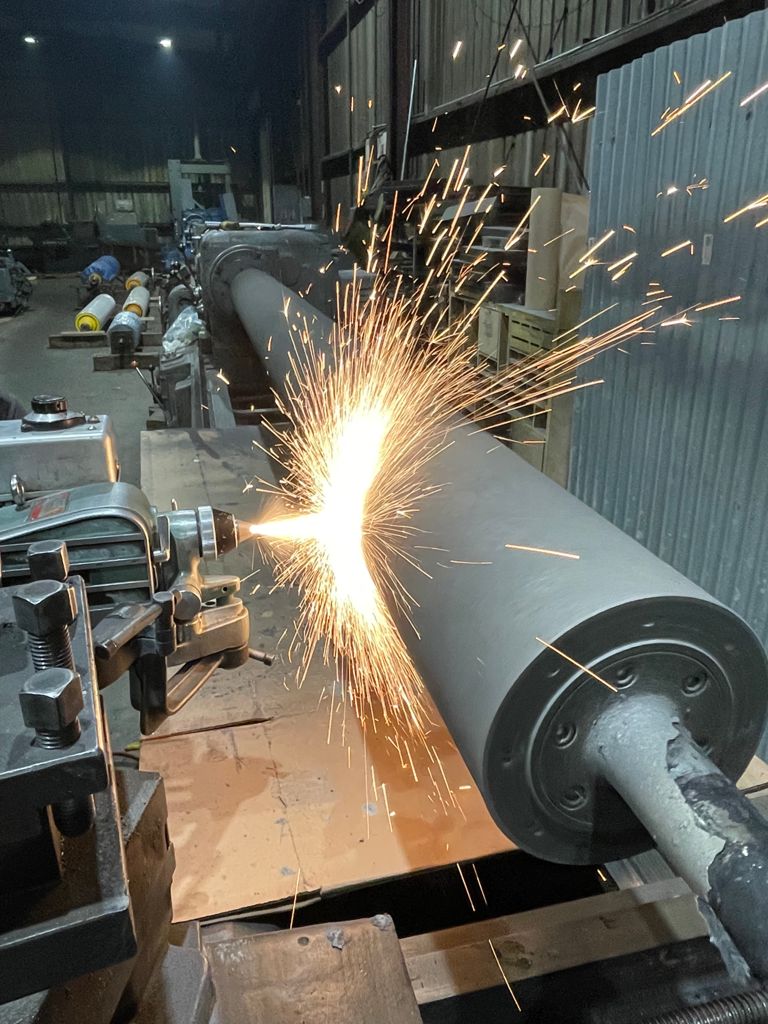
HVOF coating is a game-changer for rollers. It offers superior protection against wear. This coating extends roller life significantly. It’s a smart investment for any operation. With HVOF, you get a durable roller that stands up to tough conditions.

Strategies for Roller Reconditioning

Reconditioning breathes new life into worn rollers. It’s more cost-effective than replacement. Regular inspections can identify candidates for reconditioning. This process restores rollers to optimal condition. It’s about making the most of what you have.

Importance of Regular Maintenance and Inspections

Maintenance keeps your operations running smoothly. Regular inspections catch problems early. This proactive approach reduces downtime. It’s not just about fixing issues; it’s about preventing them. A little maintenance goes a long way in keeping systems efficient.

In conclusion, understanding and addressing roller failures is crucial for maintaining production efficiency. By recognizing symptoms, analyzing root causes, and implementing preventative measures, you can ensure the longevity and reliability of your systems. The right strategies not only prevent downtime but also extend the life of your equipment, saving you time and money in the long run.

See the true cost of ignoring roller challenges before it impacts your operations.
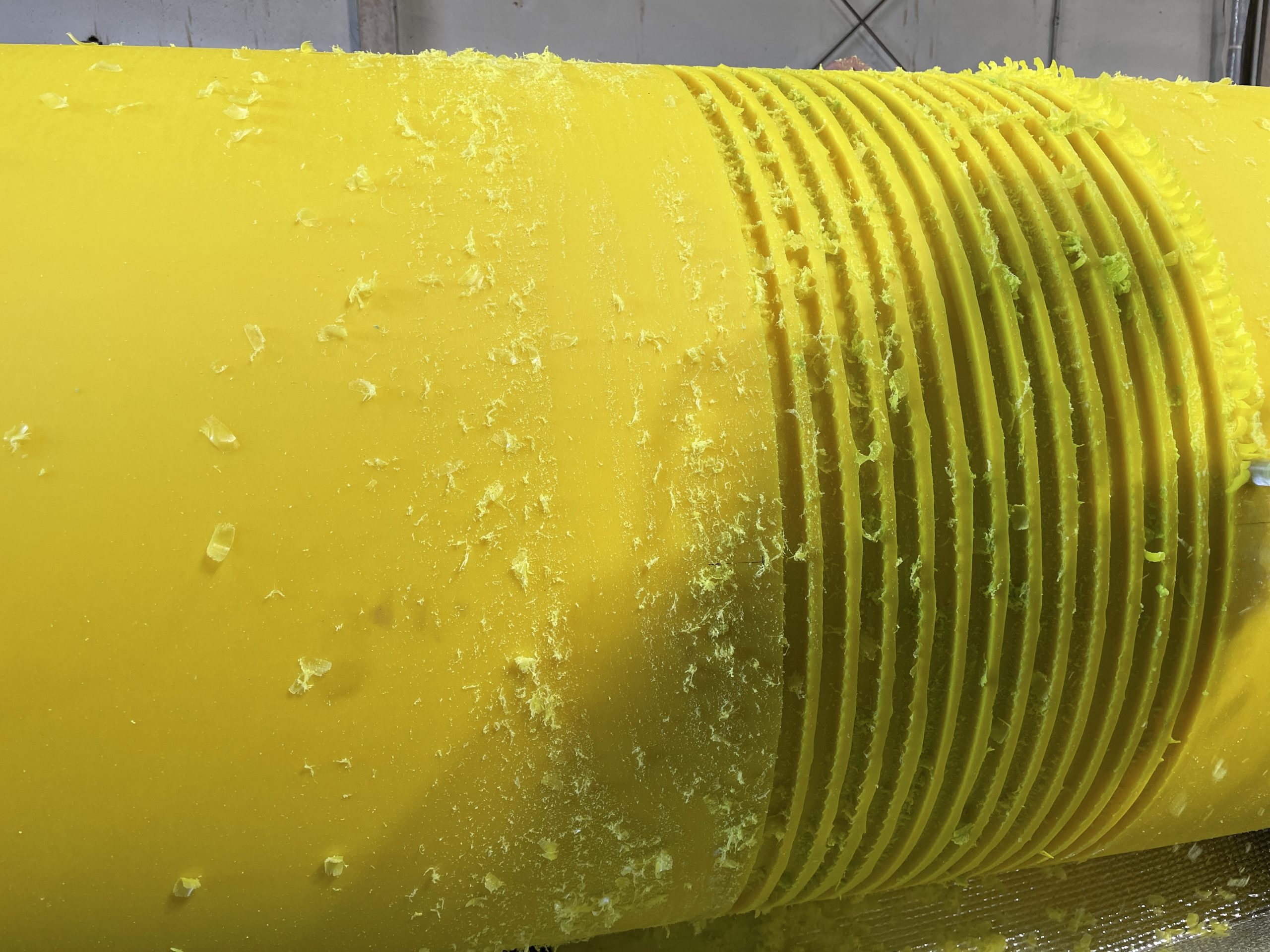
What Roller Failures Really Cost: Labor, Scrap, and Lost Output – A Practical Breakdown for Operations Teams

Roller failure cost goes far beyond the repair bill. You’re facing lost output, wasted labor, and scrapped materials that quietly drain your bottom line. This breakdown will give your team a clear framework to spot where downtime hits hardest and how better roller design, coatings, and service partnerships cut those hidden costs. Keep reading to take control of your industrial rollers before they stop your line. For further insights on maintenance strategies, visit this resource.

Hidden Costs of Roller Failures

When your rollers fail, the consequences ripple through your operations. It’s not just about replacing a part; it’s about understanding all the hidden costs that impact your business.

Labor and Maintenance Expenses

Every time a roller fails, your team is pulled off their regular duties. Maintenance workers shift focus to emergency repairs, leading to a backlog of other essential tasks. This reactive mode can cause burnout and decreased productivity.

This shift in priorities often results in overtime costs. Workers stay late to catch up, driving labor expenses higher. Additionally, emergency repairs generally cost more than scheduled maintenance, further straining your budget. It’s a cycle you want to break: the more you wait, the more you spend.

Scrap and Material Waste

Failed rollers can ruin materials, causing a spike in scrap rates. Each damaged piece represents lost money. Over time, these costs add up, eating into your profits. The high cost of wasted materials might surprise you: each mistake multiplies, turning into a mountain of waste.

Material waste also impacts your sustainability goals. Industries are moving toward greener operations, and high scrap rates can hinder those efforts. Reducing waste not only saves money but also aligns with eco-friendly practices.

Lost Output and Downtime

Downtime is the silent profit killer. When rollers stop, so does production. The longer you wait for repairs, the more output you lose. This can delay orders, affecting customer satisfaction and your reputation.

Downtime also disrupts your supply chain. Suppliers and clients rely on your timely production, and delays can cause a ripple effect. Understanding downtime’s true cost helps in planning and preventing future disruptions. For a detailed analysis of downtime costs, refer to this government report.

Strategies to Minimize Costs

Recognizing the hidden costs is the first step. Now, let’s explore how you can tackle these issues head-on with effective strategies.

Designing Better Rollers

Investing in high-quality rollers pays off in the long run. Custom-engineered rollers are designed to meet your specific needs, reducing the chance of failure. This investment leads to fewer disruptions and a smoother operation.

Better roller design also means longer service life. When rollers are built to withstand your operational stresses, they last longer, which means fewer replacements. This extends beyond cost savings; it’s about consistent and reliable performance.

Advanced Coating Solutions

Coating technology, like HVOF, enhances roller durability. These coatings protect against wear and tear, significantly extending the roller’s life. The result? Less downtime and maintenance, translating to lower overall costs.

HVOF coatings are particularly useful in high-performance environments. They offer superior resistance to abrasion and chemicals, making them ideal for industries with demanding conditions. This advanced technology is a game-changer for maintaining efficiency.

Effective Service Partnerships

Partnering with a reliable service provider ensures timely maintenance and repairs. A good partner understands your needs and works proactively to prevent issues before they arise. This relationship is crucial for maintaining uptime.

Service partnerships also allow for shared expertise. Your partner can offer insights and recommendations based on industry best practices. This guidance helps you optimize your operations and reduce future costs.

Practical Steps for Operations Teams

Now that you know the strategies, let’s implement them with actionable steps for your team.

Implementing MRO Maintenance Planning

Regular maintenance planning is key. Establish a routine schedule to inspect and service your rollers. This proactive approach prevents unexpected failures and extends roller life.

Your maintenance plan should include detailed inspections and preventive actions. Keep track of past issues to identify patterns and address them before they escalate. This methodical approach saves time and money.

Leveraging Core Exchange Programs

Core exchange programs offer a practical solution for roller replacements. Instead of waiting for repairs, you exchange your damaged roller for a ready-to-use one. This minimizes downtime and keeps your production line moving.

These programs also simplify inventory management. You maintain a steady supply of functioning rollers without overstocking. This balance helps streamline operations and reduce lead times.

Calculating Total Cost of Ownership

Understanding the total cost of ownership for your rollers helps in making informed decisions. Consider all factors, including purchase price, maintenance, downtime, and operational efficiency. This comprehensive view provides clarity on your investment’s true value.

Calculating this cost helps you justify investments in better equipment and services. With a clear picture of long-term savings, you can prioritize spending on solutions that offer the most significant benefits. For a deeper dive into cost calculations, explore this technical report.

By addressing these areas, you not only manage costs but improve overall efficiency. Take control of your operations and protect your bottom line.

See the true cost of ignoring roller challenges before it impacts your operations.
How Unplanned Roller Maintenance Drains Uptime and Margins—And How to Stop It

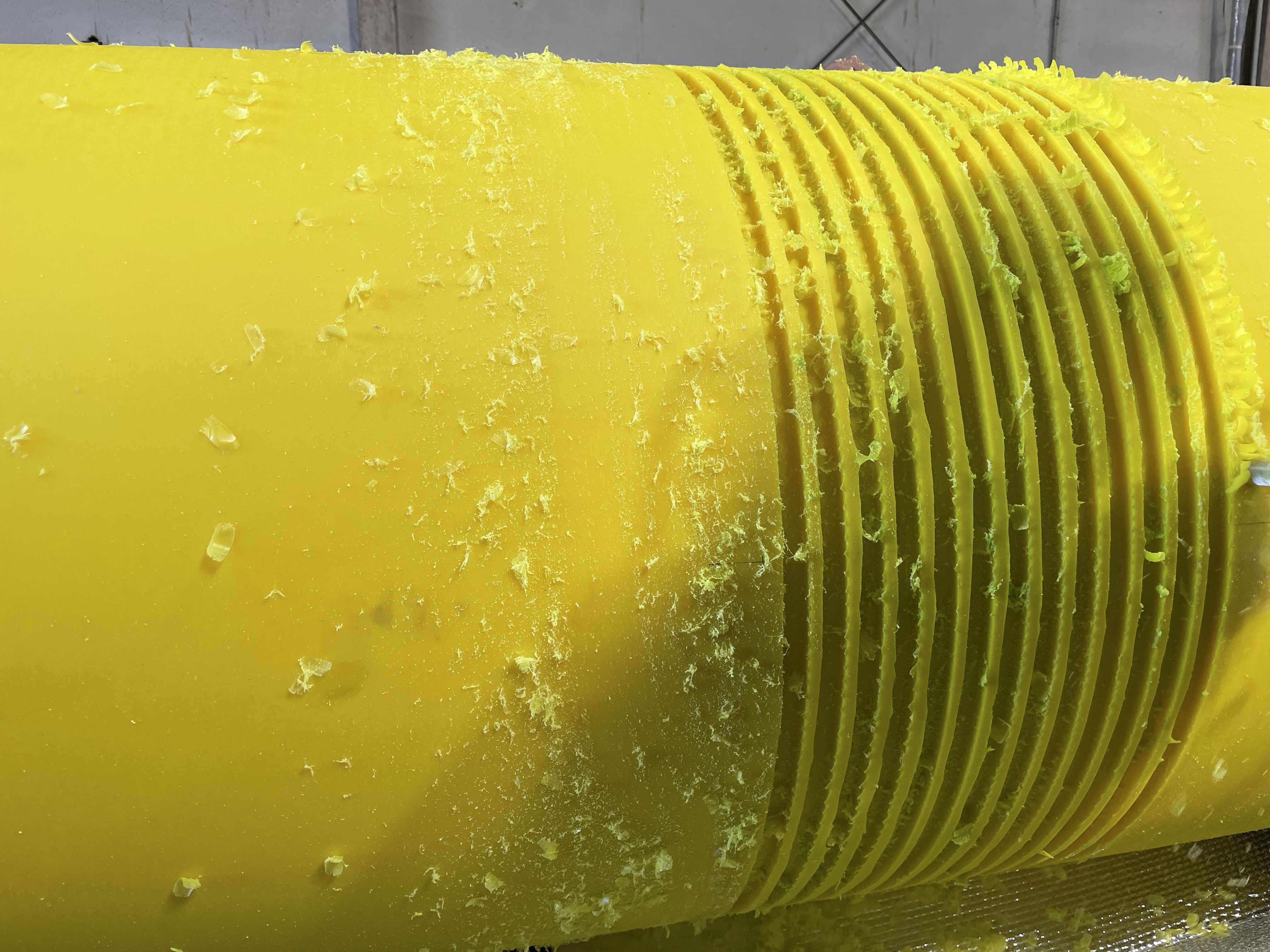
Unplanned roller maintenance steals hours from your production day and cuts deeply into your margins. Every unexpected failure means lost uptime, higher scrap rates, and a hit to your OEE. You’ll learn how targeted upgrades, precise roller reconditioning, and proven programs like HVOF coating and core exchange stabilize throughput and lower your total cost of ownership. Keep reading to secure your production line against costly surprises. For more insights on converting unplanned work to increase uptime, check this page.

Hidden Costs of Reactive Maintenance

Unseen expenses of reactive maintenance can damage your bottom line. Let’s dive deeper into the impacts of unexpected roller repairs.

Impact on Uptime and Margins

Unplanned maintenance eats into your valuable uptime. Each hour spent fixing rollers is an hour not spent producing. Consider this: every minute your line is down, your profit margins take a hit. Downtime isn’t just a technical issue; it’s a financial one. This is why keeping equipment running smoothly is crucial. By neglecting scheduled maintenance, you risk routine stoppages that can affect your entire operation.

Quantifying the OEE Loss

Operational Efficiency (OEE) is a key metric in manufacturing. When maintenance is reactive, OEE suffers. Let’s say your typical production line runs at an 85% efficiency rate. Unexpected downtime can drop this significantly, affecting overall performance. Even a small dip can result in big losses over time. Tracking these metrics helps pinpoint areas for improvement. You can read more about the impact of unplanned downtime in the Bently Nevada blog.

Scrap and Production Waste

Waste is another hidden cost of reactive maintenance. Poorly maintained rollers can lead to higher rates of scrap and defective products. Every time you discard a defective item, you’re throwing away potential profit. This waste not only increases material costs but also affects production schedules. By addressing roller issues early, you can minimize scrap and save resources. For strategies on converting downtime into productive time, explore this IBM article.

Proactive Roller Maintenance Strategies

Proactive strategies can drastically reduce downtime. Learn how design upgrades, coatings, and regular maintenance can keep your rollers in top form.

Design Upgrades for Better Performance

Investing in design upgrades can lead to better roller performance. Enhanced designs reduce friction and improve material handling. Consider rollers that are custom-engineered for your specific needs. They ensure smoother operation and less wear and tear. This means fewer disruptions and longer-lasting equipment. A small upfront investment in design can save you from costly repairs down the line.

Benefits of HVOF Coatings

HVOF coatings provide a strong defense against wear. These coatings are five times more durable than traditional chrome plating. They protect rollers from abrasion and corrosion, extending their lifespan. With longer-lasting rollers, you face less unexpected downtime. This makes HVOF coatings a smart choice for anyone looking to boost efficiency. Learn more about the benefits of thermal spray coatings in this Fabrico blog.

Implementing Regrind Intervals

Regular regrind intervals can keep rollers in peak condition. By removing surface imperfections, you maintain smooth operation. Scheduled regrinds prevent larger issues that lead to downtime. It’s a simple yet effective way to prolong the life of your rollers. Keeping a consistent maintenance schedule is key to reducing disruptions.

Thistle Roller Co. as Your Partner

Choosing the right partner can make all the difference. Thistle Roller Co. offers solutions that ensure your operations stay on track.

Core Exchange Program Advantages

Our core exchange program offers quick and efficient replacements. Instead of waiting for repairs, swap out rollers and keep production moving. This minimizes downtime and ensures you always have a reliable roller on hand. It’s a hassle-free way to maintain smooth operations without interruption.

Fast and Reliable MRO Support

With our MRO support, you’re never left waiting. We provide fast, dependable service to get your rollers back in action. Our team understands the urgency of downtime and prioritizes getting you back up and running. Trust in our expertise to handle your maintenance needs with care and precision.

Schedule Your Uptime Consult Today

Don’t let unplanned maintenance ruin your efficiency. Schedule a consult with Thistle Roller Co. today. Our experts will help you identify potential issues and provide tailored solutions. Secure your production line and maximize your uptime. Reach out to us to keep your operations running smoothly.

See the true cost of ignoring roller challenges before it impacts your operations.
Stop the Bleed: The Hidden Cost of Ignoring Roller Vibration, Heat, and Tracking Issues

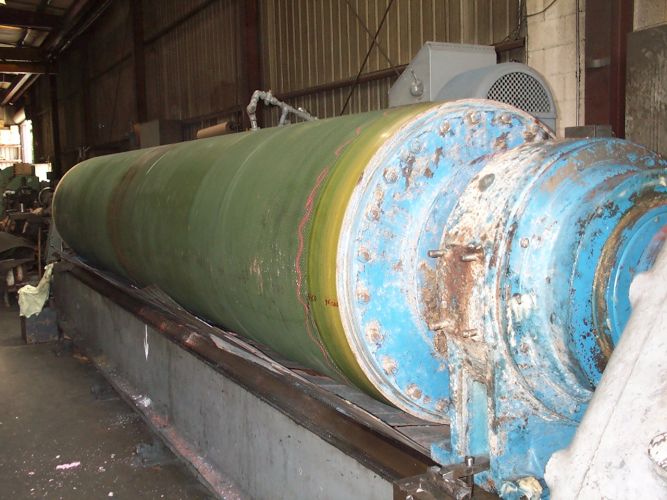
Ignoring roller vibration, heat, and tracking issues costs more than you think. Scrap rates rise, speed limits drop, bearings fail faster, and unplanned downtime racks up. You can’t afford to let these hidden problems drain your bottom line. Thistle Roller Co. offers expert diagnostics, reconditioning, and custom-engineered rollers to keep your lines running smooth and strong. For more insight on the costs of ignoring these issues, visit this blog.

The Financial Toll of Roller Issues

Roller problems can quietly erode your profits if left unchecked. Understanding these hidden costs is crucial to maintaining a healthy bottom line.

Hidden Costs of Roller Vibration

When rollers vibrate, they cause more than just noise. Vibration can lead to increased wear and tear on equipment. This wear not only shortens the lifespan of the rollers but also accelerates bearing damage. Up to 50% of bearing failures can be traced back to vibration issues. This means more frequent replacements and costly downtime. For a deeper dive into the financial implications, read more here.

Vibration also affects the quality of your products. Inconsistent product quality results in higher scrap rates, which directly impacts your profit margins. Think about it: every defective product represents wasted materials, labor, and production time. Avoid this common mistake and protect your resources.

Impact of Excessive Roller Heat

Heat buildup in rollers is another silent profit killer. Excessive heat can cause rollers to warp or expand, leading to misalignment and inefficiency. When rollers overheat, your entire operation slows down. Production speeds can drop by as much as 20%, costing you valuable output every day. Curious about how heat affects your equipment? Explore more.

You might also face unexpected maintenance costs. Overheated rollers often lead to premature wear on parts, resulting in more frequent repairs. This ongoing maintenance eats away at your profits, leaving less room for growth and innovation.

Consequences of Roller Tracking Drift

Roller tracking drift might seem minor, but it can cause major disruptions. When rollers drift, material alignment suffers, leading to uneven application or processing. This misalignment often results in wasted materials and rework—a costly error in any production line. Learn about the broader impact of ignoring tracking drift here.

Drift can also affect worker safety. Misaligned rollers pose risks to operators and increase the chance of accidents. Ensuring proper tracking isn’t just about efficiency—it’s about creating a safe working environment for your team.

Solutions for Roller Performance

Understanding the problems is just the first step. To truly safeguard your bottom line, proactive solutions are essential.

Proactive Diagnostics and Reconditioning

Regular diagnostics help catch issues before they escalate. By investing in expert evaluations, you can identify potential problems early. This proactive approach means fewer unexpected surprises and more predictable maintenance schedules. Routine diagnostics can reduce downtime by 30%, ensuring smoother operations.

Reconditioning is another valuable tool. Instead of replacing worn rollers, reconditioning restores them to peak performance. It’s a cost-effective way to extend the life of your equipment without compromising quality. For more on the benefits of reconditioning, check out this resource.

Benefits of Custom-Engineered Replacements

Sometimes, standard rollers just won’t cut it. That’s where custom-engineered replacements come in. Tailored to your specific needs, these rollers optimize performance and efficiency. Custom solutions mean fewer adjustments, less downtime, and better overall results. Using custom-engineered rollers can improve production efficiency by 15%.

With advanced materials and designs, custom rollers are built to withstand your unique challenges. Whether it’s high heat, heavy loads, or specific coatings, these rollers deliver reliability and precision.

Partnering with Thistle Roller Co.

Choosing the right partner makes all the difference. Thistle Roller Co. brings over 70 years of expertise to the table. With a commitment to quality and innovation, they offer solutions that keep your operations running smoothly. From diagnostics to custom replacements, they have your needs covered.

Their focus on real-world applications means every roller is designed for optimal performance in your specific environment. Trust in their craftsmanship and dedication to excellence. When your rollers perform flawlessly, your business thrives.

In conclusion, addressing roller issues head-on is essential. From minimizing vibration and heat to ensuring proper tracking, each step protects your bottom line. With Thistle Roller Co. as your partner, you gain a competitive edge through superior products and expert support. Don’t wait until problems escalate—take action today and secure your operational success.

See the true cost of ignoring roller challenges before it impacts your operations.
From Microns to Millions: How Small Roller Defects Trigger Costly Downtime

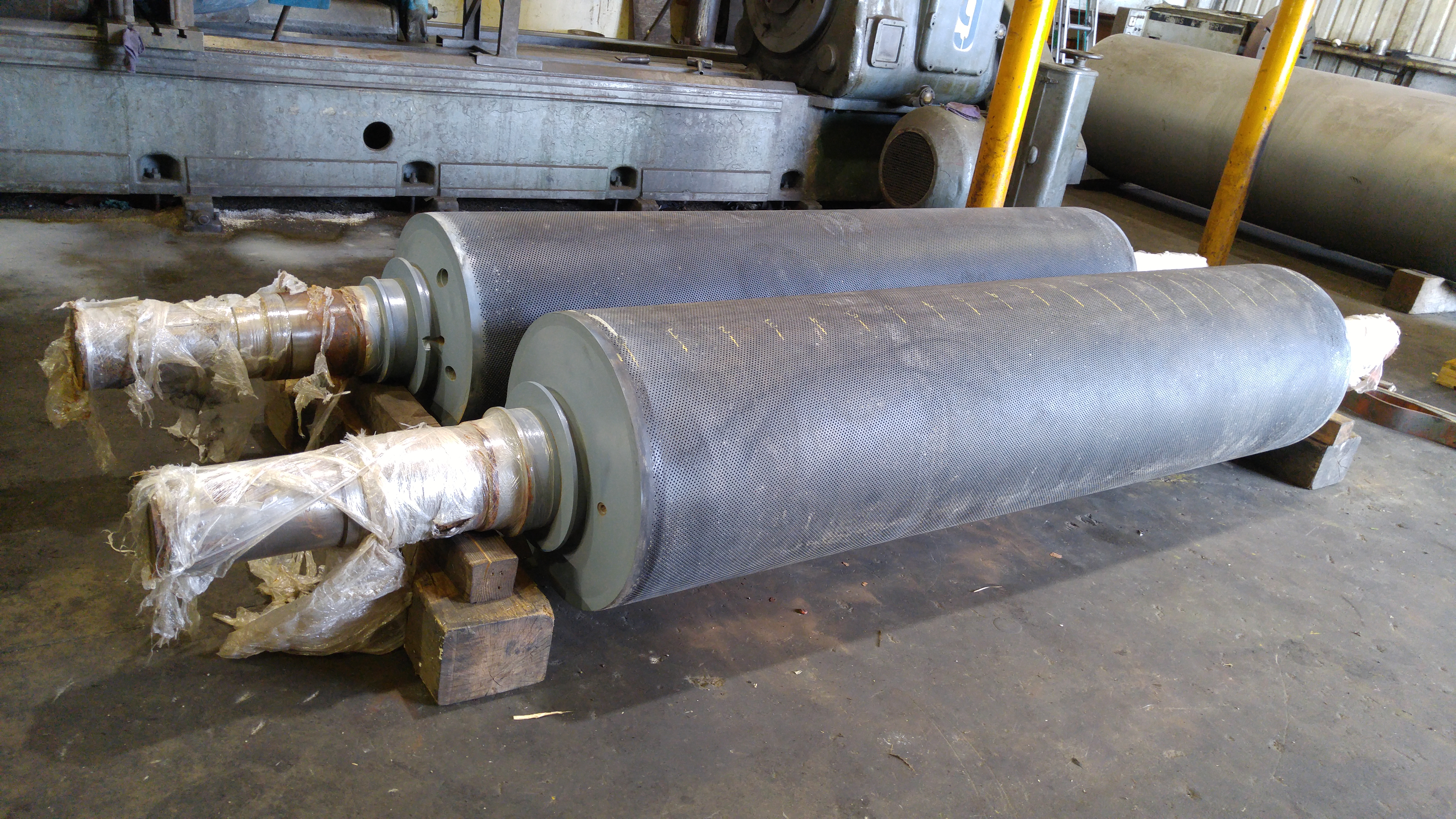
Small roller defects might seem harmless at first. Yet, they quickly trigger web breaks, coating defects streaks, chatter marks, and unplanned downtime that hit your bottom line hard. Understanding how roller runout, total indicated runout TIR, and surface finish Ra impact your line is key to stopping these costly interruptions. In this post, you’ll learn how precise specs, inspection, coatings, and reconditioning keep your industrial rollers running smooth and your production on track. Learn more about how to specify the right rollers for demanding applications on Thistle Roller Co..

Understanding Roller Defects

Grasping the impact of small roller issues is essential in manufacturing. Ignoring them can lead to major disruptions. Let’s explore the real cost of these defects, how they occur, and their effect on your production line.

The Cost of Small Defects

Minor roller defects might seem insignificant, but they can wreak havoc on operations. A tiny imperfection can lead to web breaks, causing production delays. Each minute of downtime directly impacts your bottom line. In fact, every unplanned stop not only lowers productivity but also increases operational costs. Imagine the financial strain if your line halts due to a defect that could have been prevented. The key insight here: a little attention to detail can save you from substantial expenses.

Identifying Common Roller Issues

Understanding common roller issues is your first defense. Roller runout and total indicated runout (TIR) are frequent culprits. These affect alignment, leading to uneven material handling. Surface finish Ra, another critical aspect, influences how smoothly materials move. When rollers wear unevenly, they cause chatter marks and coating defects. Knowing these tells you where to focus your preventive efforts. Are you seeing streaks or uneven coatings? It’s time to check those rollers.

Impact on Production Efficiency

Rollers operating below par reduce efficiency across the board. Every defect disrupts the flow, slowing down line speed optimization. You might face bottlenecks or increased waste. Consistent performance relies on keeping your rollers in top shape, minimizing interruptions. A smooth operation ensures higher output and less stress on your equipment. Don’t let small defects dictate your production pace. They are manageable with the right approach.

Preventative Measures for Downtime Reduction

Once you understand roller defects, preventing them becomes the priority. Regular inspections, proper specifications, and effective reconditioning play crucial roles. Let’s delve into how these actions can safeguard your production line.

Importance of Regular Inspections

Routine inspections are your front line in defect prevention. They help catch issues before they escalate into major problems. Regular checks can identify roller runout and surface imperfections early. Establishing a consistent inspection schedule allows for timely interventions, such as predictive maintenance or necessary adjustments. You wouldn’t want a small nick to turn into widespread damage. Proactively addressing defects keeps downtime at bay and ensures your equipment runs smoothly.

Benefits of Proper Specifications

Choosing the right rollers is vital. Proper specifications, like bearing fit tolerance and crown profile, ensure optimal performance. Rollers tailored to your needs help maintain line efficiency. They prevent common issues like durometer drift and nip pressure control problems. Investing in correctly specified rollers from the start sets you up for long-term success. It’s about matching the roller to the job, ensuring it can handle the demands of your production environment.

Role of Coatings and Reconditioning

Quality coatings and regular reconditioning extend roller life. Techniques like HVOF coatings and tungsten carbide coating enhance durability. These coatings resist wear and maintain surface quality longer. Reconditioning brings old rollers back to optimal condition, saving costs on replacements. By focusing on these areas, you ensure your rollers meet performance standards consistently. It’s about preserving functionality and avoiding the pitfalls of neglect.

Expertise in Precision Roller Manufacturing

Precision roller manufacturing demands expertise. Advanced technologies and engineering ensure your rollers perform at their best. Let’s examine the key elements that make Thistle Roller Co. your trusted partner in overcoming roller defects.

Advanced Coating Technologies

Advanced coatings enhance roller performance significantly. Options like ceramic coating and HVOF provide exceptional wear resistance. These coatings protect against harsh environments and extend roller life. By utilizing cutting-edge technology, you reduce maintenance needs and downtime. It’s an investment in longevity and efficiency that pays off in the long run. When your rollers last longer, your production line benefits.

Precision Engineering for Optimal Performance

Precision engineering is the backbone of effective roller manufacturing. Ensuring concentricity and dynamic balance G2.5 are vital for smooth operation. Proper engineering reduces vibration and enhances performance. When rollers are precisely crafted, they handle production stress better. This translates to fewer disruptions and higher output. Precision is not just about making things work; it’s about optimizing every aspect for superior results.

Expert Support and Maintenance Solutions

Support and maintenance are critical in maintaining roller effectiveness. Expert advice helps address issues like thermal growth and vibration analysis. Maintenance solutions, such as core exchange programs, ensure you’re never without functional rollers. Having a reliable partner for support means you’re never alone in facing challenges. It’s about building a relationship that ensures your production line stays robust and efficient. Trust in Thistle Roller Co. to support your needs with unparalleled expertise.

By understanding roller defects, implementing preventative measures, and leveraging expert manufacturing, you secure a smooth production process. This approach not only saves costs but ensures your operations remain uninterrupted and efficient.

See the true cost of ignoring roller challenges before it impacts your operations.