Thistle Roller Co.

How Advanced Coatings Extend Roller Life in High-Wear Environments

Most rollers fail far sooner than they should in harsh production lines. You face constant downtime, costly replacements, and disrupted schedules. Advanced roller coatings like HVOF and tungsten carbide offer real solutions by extending roller life and cutting maintenance needs. This post breaks down how these coatings protect your rollers and reduce total cost of ownership in high-wear environments. Learn more about advanced coatings and their benefits here.

Extending Roller Life with Coatings
In the fast-paced world of industrial manufacturing, roller longevity is crucial. Let’s explore how advanced coatings can make a significant difference.

Benefits of Advanced Roller Coatings

Advanced roller coatings protect your equipment in the harshest conditions. These coatings shield rollers from wear and tear, reducing the need for frequent replacements. Imagine saving 40% on maintenance costs just by using the right coating. That’s a direct impact on your bottom line!

These coatings also boost performance. They provide a smoother surface that helps materials move effortlessly across the rollers, reducing friction. With less friction, there’s less heat and wear on the roller, which means a longer lifespan for your equipment. By choosing advanced coatings, you’re investing in a solution that extends roller life and enhances productivity.

How HVOF Coating Outperforms

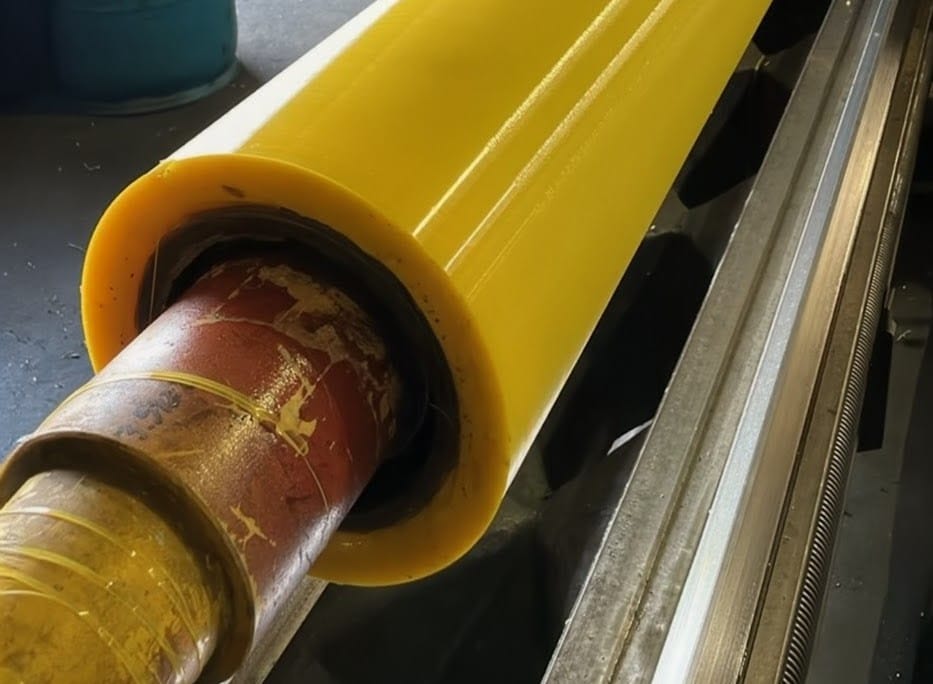
HVOF coating is a game changer in roller protection. Its strength lies in its dense structure, offering exceptional wear resistance. This means fewer maintenance stops and more uptime for your production line. In high-wear environments, this coating excels by withstanding extreme conditions without chipping or cracking.

Moreover, HVOF coatings are versatile. They can be applied to a range of materials, ensuring that your specific equipment needs are met. The thicker coating layer also provides better protection against chemical exposure. As a result, your rollers last longer, saving you time and money.

Choosing the Right Tungsten Carbide Coating

Tungsten carbide coatings are known for their toughness. They provide a hard surface that resists abrasion, perfect for industries where rollers face constant friction. This coating ensures that your rollers endure longer runs without degradation.

However, selecting the right type of tungsten carbide coating is vital. Consider your specific operational needs: Do you require extra heat resistance? Is chemical exposure a concern? By answering these questions, you can choose a coating that perfectly fits your application, ensuring maximum durability and performance.

Overcoming High-Wear Challenges
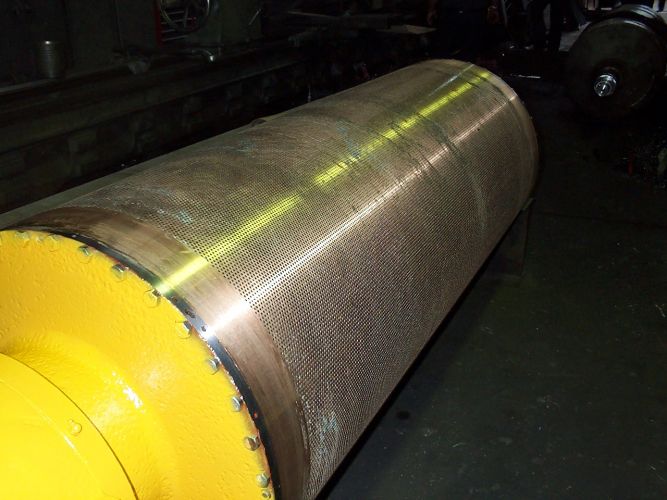
High-wear environments present unique challenges for roller longevity. Let’s delve into solutions that tackle these issues head-on.

Abrasion Resistance with Ceramic Roller Coatings

Ceramic coatings offer remarkable abrasion resistance. They form a protective layer that minimizes surface wear, even when handling abrasive materials. This durability is crucial for industries like packaging and metals, where constant contact can quickly degrade unprotected rollers.

The secret lies in the ceramic’s hardness. It acts as a shield, taking the brunt of the wear and leaving the underlying roller intact. This means fewer replacements and extended equipment life. If you’ve struggled with frequent roller changes, ceramic coatings might be the solution you’ve been searching for.

Corrosion Resistance in Industrial Rollers

In many industries, rollers face not only physical wear but also chemical attacks. Corrosion can significantly shorten the life of your rollers, leading to unexpected downtime. Advanced coatings, such as those discussed here, offer superior protection against such threats.

These coatings form a barrier that prevents chemicals from reaching the roller surface. By stopping corrosion in its tracks, they extend the lifespan of your equipment. For industries such as aerospace and automotive, where chemical exposure is common, investing in corrosion-resistant coatings pays off in the long run.

Precision Roller Manufacturing for Web Handling

Precision is key in web handling applications. The right roller ensures smooth material transport, preventing wrinkles and misalignment. High-quality coatings enhance this precision by providing a consistent surface finish. This consistency is crucial for maintaining the delicate balance required in web handling systems.

By investing in precision roller manufacturing, you ensure that your operations run smoothly. The longer your equipment functions without a hitch, the more cost-effective your processes become. Precision manufacturing, coupled with advanced coatings, is a winning combination for any high-wear environment.

Reducing Downtime and Costs
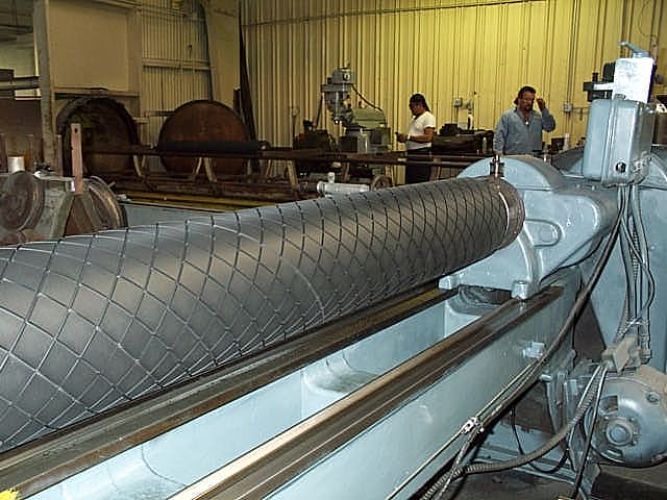
Minimizing downtime and costs is essential for any operation. Here’s how advanced solutions help.

Roller Reconditioning and MRO Support

Reconditioning can breathe new life into your rollers. It involves restoring worn rollers to their optimal condition, saving you from costly replacements. With MRO support, you gain access to expert advice and services that keep your equipment in top shape, ensuring consistent production flow.

Reconditioning is not just about repair; it’s about enhancement. By applying advanced coatings during reconditioning, you can extend roller life and improve performance. This proactive approach reduces downtime and keeps your operations running smoothly.

Surface Finish Ra Control for Performance

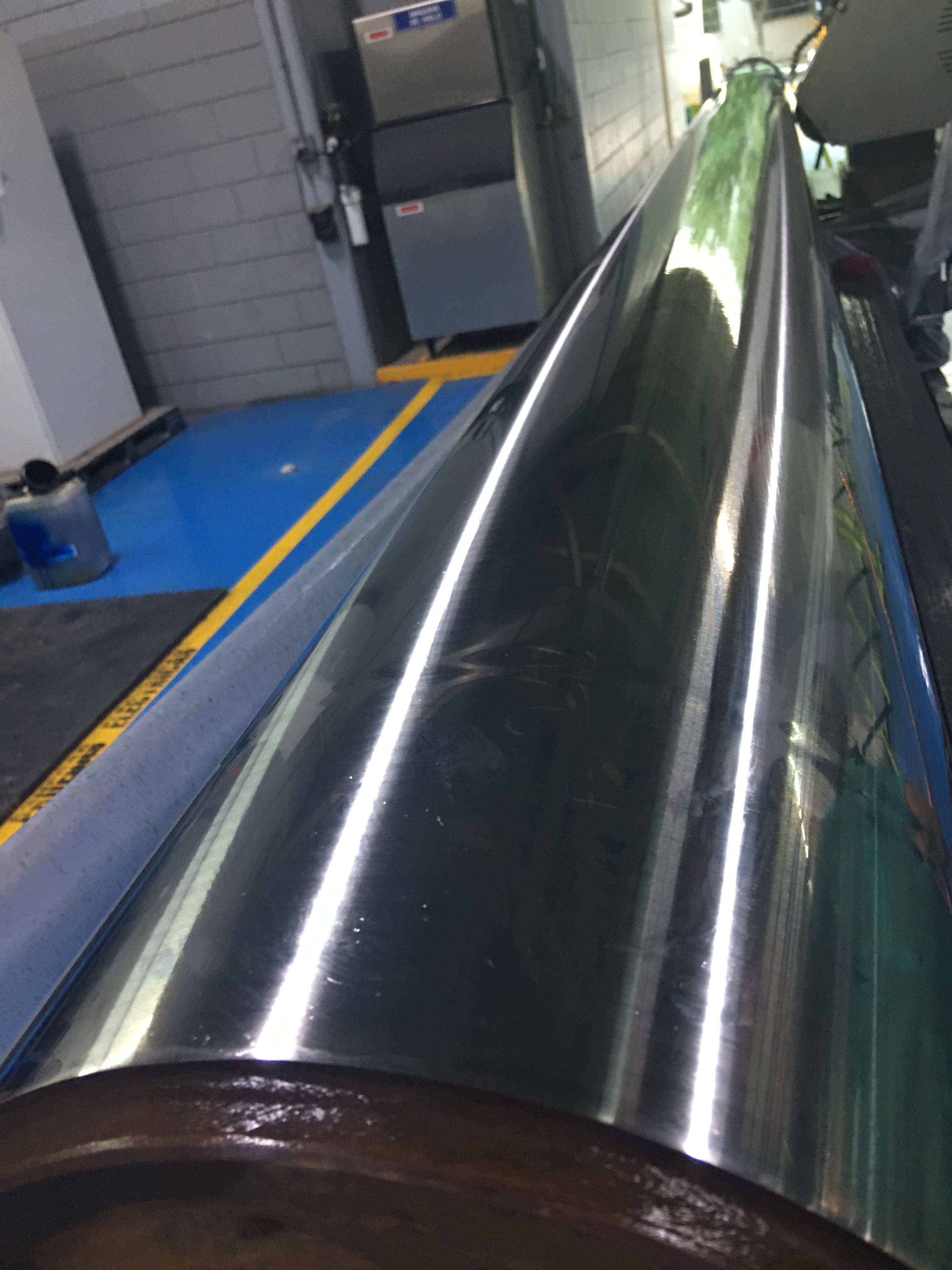
The surface finish of a roller can greatly impact its performance. Achieving the right Ra value ensures smooth material flow and reduces friction. This precision in surface finish control enhances roller efficiency and longevity.

Investing in proper Ra control during manufacturing or reconditioning results in tangible benefits. Reduced friction means less heat and wear, leading to longer-lasting rollers. Prioritizing surface finish can be a game changer for your productivity and bottom line.

OEM Replacement Rollers: A Reliable Choice

When replacements are unavoidable, choosing OEM rollers is a smart decision. They are designed to meet the original specifications, ensuring perfect fit and function. With OEM replacements, you maintain the integrity of your system, minimizing disruption.

Moreover, OEM rollers often come with warranties, providing peace of mind in your investment. By opting for OEM solutions, you ensure reliability and consistency in your operations, making them a worthwhile choice for any business facing roller challenges.

Conclusion

In high-wear environments, choosing the right coatings and solutions is crucial for roller longevity. Advanced coatings like HVOF and tungsten carbide offer resilience and protection, reducing downtime and costs. By understanding your specific needs and investing in quality solutions, you can keep your operations running smoothly and efficiently.

Learn how precision rollers solve your toughest manufacturing challenges.
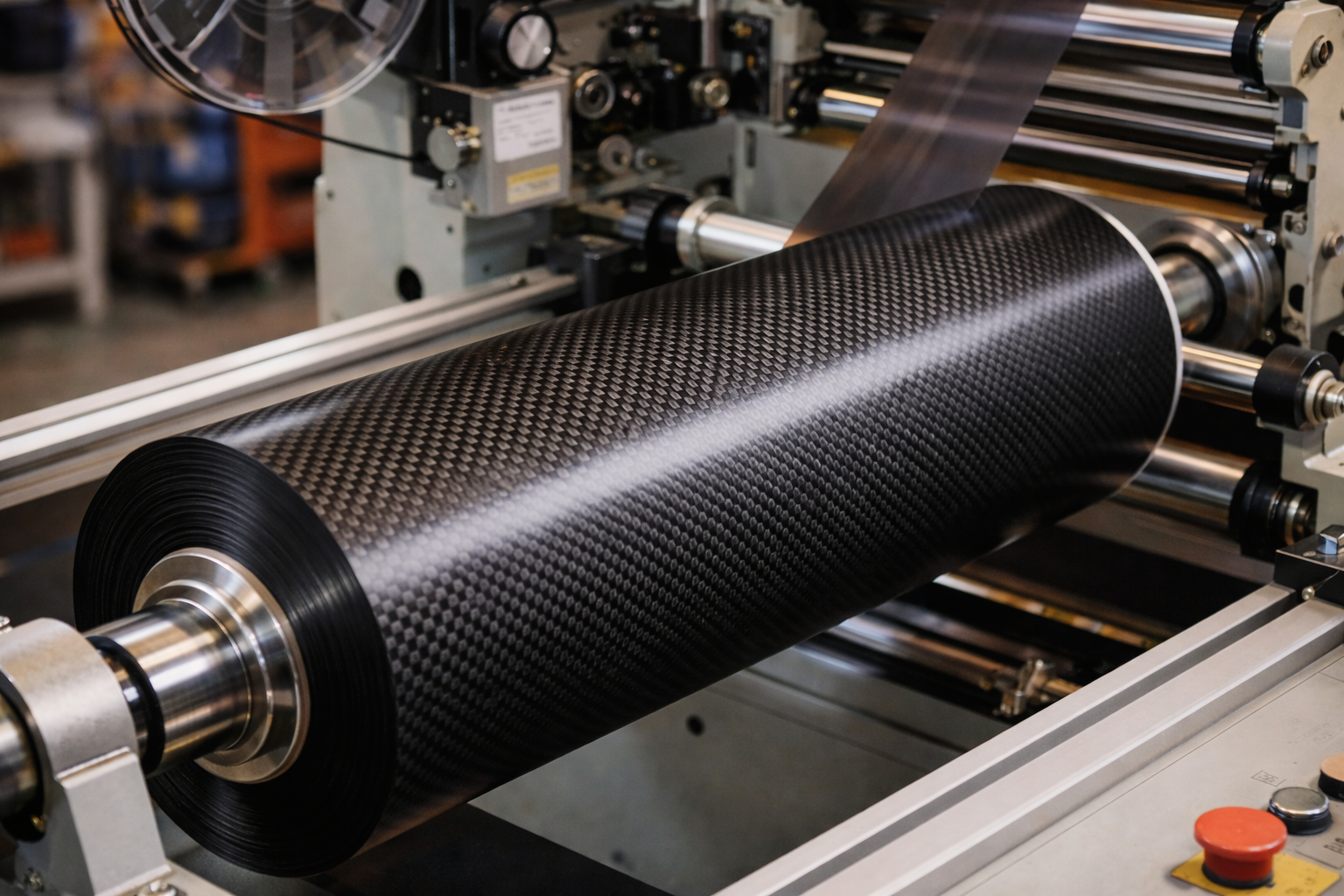
Beyond Diameter: 9 Custom Roller Design Factors That Drive Uptime

Size isn’t the only factor when it comes to custom industrial rollers. Overlooking key roller design factors like dynamic balancing, TIR tolerances, and crown profiles can cost you valuable uptime. You’ll learn the nine critical elements that keep your line moving and prevent costly stops. Ready to cut downtime? Talk to a Thistle applications engineer today. Learn more about roller design here.

Custom Roller Design Variables

Understanding the design elements that go into custom industrial rollers is essential for reducing downtime. Let’s explore the critical factors that ensure your rollers keep performing.

Roller Concentricity and TIR Tolerances

Concentricity and TIR (Total Indicator Runout) are vital for smooth roller operation. If your roller isn’t perfectly round, it could cause vibrations and uneven material handling. This often leads to increased wear and tear.

To avoid such issues, rollers are measured for concentricity and TIR tolerances. Consistent measurements ensure your rollers operate smoothly, which is key to maintaining uptime. Investing in precision roller manufacturing can save you time and money. Accurate rollers with tight TIR tolerances keep your production line running efficiently.

Importance of Dynamic Balancing Rollers

Dynamic balancing is crucial for minimizing vibrations. Unbalanced rollers can lead to noisy operations and faster wear. This affects not only production speed but also product quality.

Balancing involves adjusting the weight distribution of a roller. Properly balanced rollers allow for faster speeds and quieter operations. Most people think that any roller will do, but a balanced roller provides peace of mind and reliability. By focusing on balance, you ensure your operations run seamlessly.

Impact of Crown Profiles on Performance

Crown profiles influence how materials are guided through processes. A roller with a properly designed crown can help align materials, reducing the likelihood of jams or misfeeds.

Different applications require specific crown profiles to ensure optimal performance. By adjusting the crown, you can control the tracking of materials, enhancing precision. The right profile can transform your production line’s efficiency, ensuring smooth operations.

Advanced Coatings and Materials

Continuing to optimize roller performance involves choosing the right coatings and materials. Let’s look at how these choices impact durability and efficiency.

Benefits of HVOF Roller Coatings

HVOF (High Velocity Oxygen Fuel) coatings offer exceptional wear resistance. These coatings are ideal for rollers exposed to harsh conditions. They provide a protective layer that extends the roller’s lifespan.

The application of HVOF coatings ensures protection against corrosion and abrasion. In environments where rollers face constant wear, HVOF offers a reliable shield. Integrating these coatings into your rollers can significantly reduce maintenance needs, saving both time and money.

Ceramic Coated Rollers for Durability

Ceramic coatings are known for their hardness and resistance to high temperatures. They are perfect for applications where heat and friction are concerns. Ceramic-coated rollers offer a durable solution to demanding environments.

These coatings increase the roller’s lifespan by preventing surface wear. Many think metal coatings are the only option, but ceramics provide excellent benefits. Using ceramic coatings can enhance roller durability, ensuring they withstand challenging conditions.

Rubber and Polyurethane Covers

Rubber and polyurethane covers add grip and cushioning to rollers. These materials are suitable for applications requiring soft contact with materials. They help protect delicate surfaces from damage.

These covers also offer flexibility and resistance to various chemicals. They are ideal for environments where rollers face diverse challenges. Adding rubber or polyurethane covers ensures your rollers meet specific needs while maintaining longevity.

Engineering for Longevity

Ensuring your rollers last involves selecting the right engineering solutions. Explore how specific features contribute to extended service life.

Abrasion Resistant and Thermal Conductivity Rollers

Rollers designed for abrasion resistance endure challenging conditions without wearing down. They are essential for environments where materials are abrasive.

Thermal conductivity rollers manage heat effectively, ensuring materials are processed at optimal temperatures. Using rollers with these properties enhances performance, reducing wear and tear. Investing in quality rollers ensures long-term reliability.

Precision Roller Manufacturing Techniques

Precision manufacturing is the backbone of high-quality rollers. Techniques like precision grinding and dynamic balancing are crucial. They ensure rollers are consistent and reliable.

This level of precision reduces the risk of defects and failures. Rollers manufactured with care provide dependable performance, minimizing downtime. Trusting in precision techniques ensures your production line operates smoothly.

Roller Reconditioning Services and MRO Solutions

Reconditioning services restore worn rollers to their original condition. This is a cost-effective solution compared to buying new rollers. Regular maintenance keeps your rollers in peak condition.

Most people think replacement is the only option, but reconditioning offers a viable alternative. MRO (Maintenance, Repair, and Overhaul) solutions can extend the life of your equipment, providing value and efficiency. Regular upkeep ensures your operations remain uninterrupted.

By understanding these factors, you position your production for success. Consider how Thistle Roller Co. can help you achieve your operational goals with precision-engineered rollers.

Learn how precision rollers solve your toughest manufacturing challenges.

Repair or Replace? A Practical Framework for Industrial Rollers

You face a tough call every time a roller shows wear: repair it or replace it? Choosing wrong can cost you hours of downtime and thousands in unexpected expenses. This guide breaks down industrial roller repair versus roller replacement with clear, cost-focused criteria. You’ll learn how to protect your production line and when to call on expert services like HVOF coating or shaft journal repair. Keep reading to take control of your roller decisions with confidence. For more information on garage door roller replacement signs, visit this link.

Repair vs. Replacement Decision

Deciding whether to repair or replace a roller depends on several factors. Let’s explore the cost, downtime, and performance aspects that guide your decision.

Cost Factors in Roller Maintenance

The cost of maintaining rollers can quickly add up. Repairing a roller might seem cheaper at first, but what about long-term expenses? When you choose repair, you save on immediate costs, but if the roller wears out faster, those savings might vanish. Replacement, while initially costly, often leads to savings down the road due to longer service life and fewer maintenance needs. Consider these points:

  • Repair Costs: Lower upfront, but potentially frequent.

  • Replacement Costs: Higher initially, but spread over a longer period.

  • Hidden Costs: Include downtime and potential production delays.

Downtime Risks and Solutions

Downtime is the enemy of productivity. Every minute counts, and roller issues can stop production in its tracks. Repairing a roller might get you back up quickly, but will it last? Replacement might take longer, but could offer a more reliable solution. Evaluate:

  • Production Impact: How much does downtime cost you per hour?

  • Quick Fixes: Temporary solutions can work, but at what risk?

  • Planning Ahead: Consider a backup plan to minimize impacts.

Evaluating Roller Performance

Performance is key in deciding repair or replacement. How well does your current roller meet your needs? If a roller consistently underperforms, it might be time for a change. Think about:

  • Current Performance: Is the roller meeting speed and load requirements?

  • Signs of Wear: Look for uneven wear patterns, noise, or vibration.

  • Technology Upgrades: Newer rollers may offer better performance features.

Repair Solutions for Rollers

If repairing is your choice, understanding the available solutions can help you make the right call. Explore key repair options for industrial rollers.

Industrial Roller Repair Options

Repair options are varied and can cater to specific needs. Common choices include patching, re-coating, or machining. For example, patching minor surface wear can be a quick fix. Re-coating with materials like HVOF coatings enhances wear resistance. Machining can restore dimensions and improve performance.

  • Patching: Quick, cost-effective; ideal for minor wear.

  • Re-Coating: Enhances durability; use materials like ceramic or polyurethane.

  • Machining: Restores precision and surface finish.

Metal Core and Shaft Journal Repair

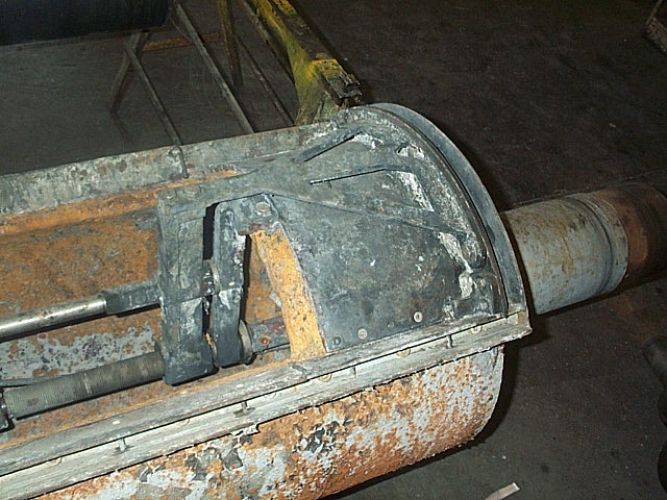
Repairing the metal core and shaft journal is crucial for roller longevity. Core damage often leads to imbalance, causing further wear. Shaft journals can suffer from wear or misalignment, impacting performance. Benefits of repair include:

  • Core Repair: Restores balance, reducing vibration.

  • Journal Repair: Improves alignment, enhancing efficiency.

  • Extended Life: Proper repairs can significantly extend roller lifespan.

Benefits of Roller Reconditioning

Reconditioning involves a thorough restoration process. It includes cleaning, re-coating, and balancing. Benefits include improved performance and reduced future maintenance costs. Reconditioning might be the answer if:

  • Performance Needs: Rollers need to meet specific speed or load requirements.

  • Cost Considerations: Lower than replacement but offers similar benefits.

  • Sustainability Goals: Extends roller life, reducing waste.

Replacement Considerations

Sometimes, replacement is the best option. Let’s dive into when and why to choose new rollers.

When to Choose OEM Replacement Rollers

OEM replacement rollers are designed to fit perfectly and offer reliable performance. They ensure compatibility and often come with warranties. Consider OEM replacements when:

  • Performance Issues: Current rollers fail to meet requirements.

  • Frequent Repairs: Ongoing issues indicate deeper problems.

  • Warranty Benefits: OEM rollers often come with guarantees.

Selecting the Right Roller Material

Choosing the right material impacts performance and longevity. Options include ceramic, polyurethane, and rubber-covered rollers. Each offers distinct benefits:

  • Ceramic Coated Rollers: High wear resistance, ideal for harsh environments.

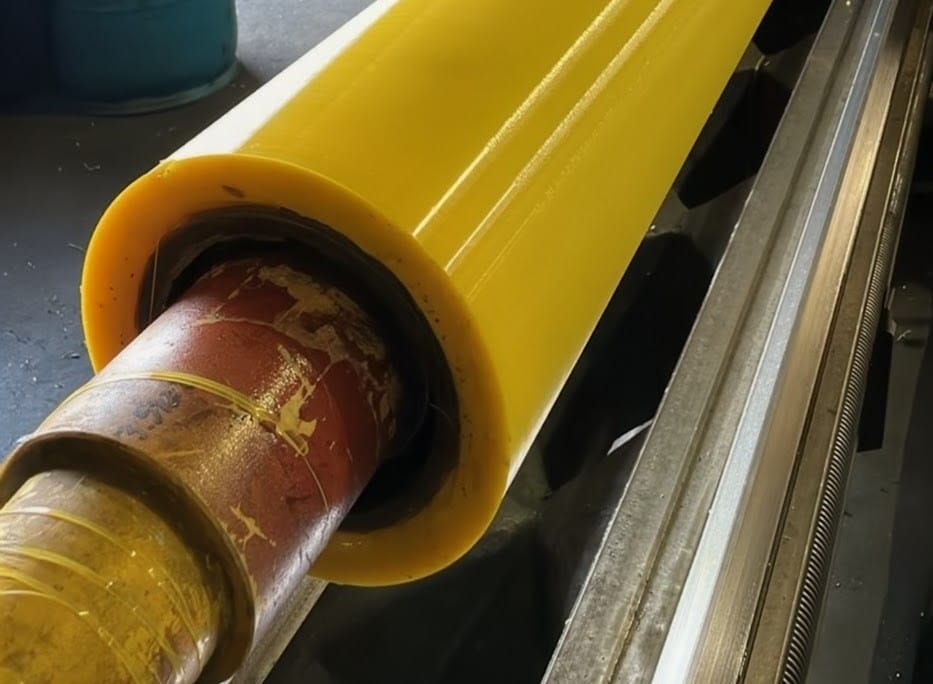
  • Polyurethane Roller Covering: Offers excellent grip and flexibility.

  • Rubber Covered Rollers: Provides cushioning and noise reduction.

Understanding Roller Warranty and Lead Time Reduction

Roller warranties and lead times can affect your decision. A good warranty offers peace of mind, while reduced lead times minimize downtime. Choosing the right supplier ensures:

  • Warranty Assurance: Protects against defects and performance issues.

  • Quick Turnaround: Partner with suppliers who offer rapid production.

  • Trustworthy Service: Reliable support for future needs.

In conclusion, whether repairing or replacing, understanding the costs, downtime implications, and performance capabilities of your rollers is crucial. By taking a strategic approach and partnering with experts like Thistle Roller Co., you can maintain seamless operations and minimize disruptions. For more insights on when to replace rollers, check out this article.

Learn how precision rollers solve your toughest manufacturing challenges.

Stop Unplanned Downtime: How to Spot Roller Wear Early

Stop Unplanned Downtime: How to Spot Roller Wear Early

Unplanned downtime from roller wear costs manufacturers thousands every day. Early signs of nip roller wear or bearing seat wear often go unnoticed until production stalls. You’ll get a clear checklist for industrial roller inspection and practical tips on runout measurement to catch issues before they escalate. Keep your lines running by spotting roller wear early and partnering with experts in roller reconditioning and precision rollers. Book a rapid roller audit with our applications engineers today. For more insights, visit this link.

Early Indicators of Roller Wear

Understanding roller wear is crucial to preventing costly downtime. Early detection helps maintain smooth operations and minimize disruptions.

Identifying Common Wear Patterns

Roller wear can sneak up on you, but knowing what to look for can save time and money. Common patterns are uneven surfaces, grooves, and flat spots. These result from misalignment or incorrect pressure distribution. Daily inspections can catch these issues early. For example, if a roller shows uneven wear, checking alignment could prevent further damage. 70% of wear patterns relate to alignment, so addressing these can lead to significant improvements.

  • Uneven surfaces: Often a sign of misalignment

  • Grooves: Typically caused by debris or incorrect tension

  • Flat spots: Result from excessive pressure or incorrect settings

Recognizing Signs of Nip Roller Wear

Nip rollers are vital for maintaining pressure and grip. Early signs of wear include surface cracking and inconsistent material handling. Regular checks for cracks or deformations can prevent sudden failures. If nip rollers feel uneven or have visible cracks, they need immediate attention. It’s important because over 60% of nip roller issues start with surface wear.

Detecting Bearing Seat Wear

Bearing seats support the roller’s rotation. Wear here can lead to vibrations and noise. Listen for unusual sounds, which might indicate a problem. If a roller makes noise or vibrates, inspect the bearing seat for wear. 50% of bearing seat issues come with audible warning signs. Regular maintenance can help catch these signs early.

Practical Inspection Checklist

Regular inspections are key to catching wear before it leads to downtime. This checklist will guide you through essential steps.

Essential Industrial Roller Inspection Steps

A solid inspection routine keeps your equipment running smoothly. Start by visually checking rollers for obvious damage. Look for cracks, uneven surfaces, and any signs of wear. Next, use a straight edge to ensure the roller’s surface is even. For accurate results, combine visual checks with hands-on testing.

  1. Visual check for cracks and uneven surfaces

  2. Use a straight edge for surface evenness

  3. Hands-on testing for any unusual movements

Accurate Runout Measurement Techniques

Runout measurement is crucial for maintaining performance. Use a dial indicator to measure deviation. Place it next to the roller and rotate slowly. This reveals any wobble or deviation. If the reading shows beyond normal limits, the roller might need adjustment or replacement. Accurate runout measurement ensures efficient roller operation.

Evaluating Concentricity Tolerance

Concentricity tolerance impacts roller performance. Use a micrometer to measure different points along the roller’s length. Consistent measurements indicate good concentricity. If you notice variations, it could signal the need for correction. Maintaining concentricity within 0.01 inches is essential for smooth operations.

Partnering with Thistle Roller Co.

Choosing the right partner can make all the difference in minimizing downtime and maximizing performance.

Benefits of Roller Reconditioning Services

Reconditioning breathes new life into worn rollers. It’s a cost-effective alternative to replacement. By restoring rollers to their original condition, you extend their lifespan and improve performance. It also reduces the need for new equipment. Most importantly, reconditioned rollers can perform like new and cut costs by up to 50%.

Advantages of HVOF Coatings

HVOF coatings enhance roller durability. These coatings protect against wear and tear. They are 5 times more resistant than traditional coatings, which means longer-lasting rollers. This results in fewer replacements and less downtime. If durability is your goal, HVOF coatings are a smart choice.

Seamless MRO Support and Core Exchange

MRO support and core exchange streamline maintenance. These services ensure you always have a working roller when you need it. With core exchange, you swap out worn rollers with ready-to-go replacements. This system minimizes downtime and keeps operations running smoothly. A reliable MRO partner can save you from costly delays.

In conclusion, staying ahead of roller wear is critical. Remember, the longer you wait, the more costly repairs can become. Regular inspections and partnering with experts like Thistle Roller Co. can safeguard your operations. For additional guidance, explore these preventive maintenance tips to enhance your approach to roller care.

Learn how precision rollers solve your toughest manufacturing challenges.

Spot Roller Wear Early: Stop Unplanned Downtime Before It Starts

Spot Roller Wear Early: Stop Unplanned Downtime Before It Starts

Roller wear doesn’t announce itself before causing unplanned downtime. You know the cost when your production line grinds to a halt because a roller failed without warning. Spotting early signs like TIR, surface finish issues, or bearing failure can keep your line moving and your schedule intact. Use this checklist to catch roller wear before it stops your operation—and see how Thistle Roller Co. supports you with inspections, reconditioning, and custom replacements.

Detecting Roller Wear Early

Keeping your production line running smoothly hinges on spotting roller wear early. Let’s break down the signs to watch for, ensuring you catch issues before they escalate.

Common Surface Defects

Surface defects are the first red flags. You might notice scratches or indentations. These are more than cosmetic; they signal damage that can worsen over time. Regular inspections help you catch these early. Use a flashlight at different angles to spot imperfections. If left unchecked, they can lead to more significant issues, affecting your product quality and causing unplanned downtime.

Surface defects often result from material buildup or improper handling. Keeping rollers clean and handling with care is essential. If your production involves materials like film or foil, these defects can snag and tear products. You don’t want unexpected surprises slowing you down. Consistent monitoring is key.

Diameter Loss and TIR

Diameter loss and TIR (Total Indicator Runout) are silent threats. They sneak up on you, slowly affecting roller performance without immediate signs. Inaccuracies in diameter can lead to misalignment, affecting product consistency. Regular measurements are crucial. Use calipers to check diameter and dial indicators for TIR. A misaligned roller can disrupt the entire production line.

TIR indicates how much a roller deviates from a true circle as it rotates. Excessive TIR can cause vibrations and uneven pressure distribution. This impacts both product quality and machine health. Regular checks can save you from these headaches. Learn more about predictive maintenance to stay ahead of the curve.

Hardness Drift and Coating Breakdown

Hardness drift signals changes in roller material, affecting its performance. Regular hardness testing ensures your rollers maintain optimal function. Changes can lead to faster wear or reduced efficiency. Coating breakdown is another concern, as exposed rollers are vulnerable to damage.

Coatings protect rollers from harsh environments. Once compromised, the roller is at risk of scratching or chemical damage. Regularly inspect coatings for cracks or peeling. Address issues promptly to avoid costly repairs down the line.

Key Inspection Techniques

Accurate inspections prevent small issues from escalating. Let’s explore techniques to ensure your rollers stay in peak condition.

Bearing and Seal Issues

Bearings and seals are vital for smooth operation. Signs of wear include noise or leaks. Check for these regularly. Listen for unusual sounds and inspect seals for oil residue. A failing bearing can cause excessive friction, leading to overheating.

Seals keep contaminants out. If damaged, dirt and moisture can enter, causing premature wear. Regular checks prevent these issues. Replace worn seals promptly to maintain roller health.

Surface Finish and Concentricity

A roller’s surface finish affects how materials move. Irregular finishes can cause materials to stick or slide erratically. Inspect surfaces regularly to ensure they’re smooth. Use a roughness tester for precise measurements.

Concentricity, the alignment of the roller’s axis, is equally critical. Misalignment affects balance, causing wobbling. This impacts product quality and machine longevity. Regular checks with alignment tools can prevent these problems. Explore these maintenance tips for smoother operations.

Vibration Analysis and Dynamic Balancing

Vibration analysis identifies imbalances early. A balanced roller runs smoothly, reducing wear on other components. Use vibration sensors to monitor performance. Sudden increases in vibration indicate potential issues.

Dynamic balancing corrects imbalances before they cause damage. It ensures even weight distribution, prolonging roller life. Regular balancing checks can prevent performance drops and costly downtime.

Proactive Maintenance Strategies

Proactive maintenance is your best defense against roller wear. Let’s delve into strategies that keep your rollers in top shape.

Roller Reconditioning and Grinding

Reconditioning restores roller efficiency. It involves grinding surfaces to remove defects and restore original profiles. This process can extend roller life significantly. Regular reconditioning prevents minor defects from escalating into major issues.

Grinding addresses diameter changes and wear. By keeping rollers within specification, you maintain consistent product quality. Regular reconditioning schedules can save you time and money.

Core Exchange and On-Site Coating

Core exchange programs reduce downtime. Swap worn cores for reconditioned ones, keeping your line moving. This strategy minimizes disruptions and extends roller life. It’s a smart move for high-demand operations.

On-site coating applications protect rollers from environmental damage. Coatings reduce wear and enhance performance. Regular coating maintenance ensures long-term protection. Consider these options to keep your rollers running smoothly.

MRO Support and OEM Replacement Rollers

Partnering with trusted MRO (Maintenance, Repair, and Operations) providers ensures access to replacement parts when needed. OEM replacement rollers guarantee compatibility and performance. They reduce the risk of unforeseen failures.

Having a reliable partner for replacements and support is invaluable. It ensures your operations remain smooth and efficient. Explore ways to reduce downtime and enhance production reliability. By implementing these strategies, you safeguard your operations against unexpected disruptions.

Learn how precision rollers solve your toughest manufacturing challenges.

Why Standard Rollers Fail in Demanding Industrial Applications—and What to Specify Instead

Why Standard Rollers Fail in Demanding Industrial Applications—and What to Specify Instead

Standard industrial rollers often crack under pressure when you need them most. Thermal growth, coating wear, and poor crown profiles silently wreck your production lines, driving costly downtime. You’ll learn why off-the-shelf rollers fail and how custom rollers with HVOF tungsten carbide coating, dynamic balancing, and precise TIR control from Thistle Roller Co. keep your operations running longer and smoother. For more information on roller failures, visit this link.

Common Causes of Roller Failures

Discovering why rollers fail is the first step to preventing costly downtime. Let’s explore the common culprits that lead to roller issues.

Thermal Expansion and Coating Wear

When rollers face high temperatures, they expand. This expansion can lead to misalignment, causing your equipment to malfunction. The heat also breaks down the roller’s coating, resulting in surface damage. Standard coatings wear quickly, leading to frequent replacements.

Imagine your roller at work in the heat of summer. The temperature rises, and the coating begins to crack. As these cracks deepen, the roller’s performance declines. The solution is using HVOF coatings that withstand high temperatures and prolong roller life. You can read more about coating defects here.

Imbalance and Journal Damage

An unbalanced roller doesn’t just wobble—it disrupts your entire production line. Imbalance leads to vibrations that cause wear on bearings and journals. These components then face a higher risk of damage, resulting in expensive repairs.

Picture a roller spinning out of balance. The vibration grows louder, and soon, the journal is damaged. Your operations come to a halt. Dynamic balancing can prevent this scenario by ensuring smooth rotation and reducing wear on parts. For more insights on roller imbalance issues, check this article.

Poor Crown Profile and TIR Issues

A poorly designed crown profile leads to uneven material distribution. This inconsistency affects the quality of your products and increases waste. Total indicator runout (TIR) problems occur when the roller’s surface isn’t perfectly round, impacting performance.

Consider a roller with a flawed crown profile. Material gathers unevenly, causing jams and defects. Precise TIR control ensures a smooth surface and even distribution. For a deeper dive into these issues, visit this source.

The Hidden Cost of Downtime

Unexpected downtime isn’t just frustrating; it eats into your bottom line. Let’s quantify the financial impact and see how it affects maintenance.

Quantifying Production Losses

Every minute of downtime costs money. When your line stops, productivity plummets. This loss can range from a few hundred to thousands of dollars per hour, depending on your operation’s scale.

Imagine the clock ticking as your line sits idle. Each second piles on costs, from lost production to missed deadlines. Understanding these losses highlights the importance of investing in reliable rollers.

Impact on Maintenance and Repairs

Frequent breakdowns mean more maintenance. This not only increases labor costs but also strains your budget with constant part replacements. Investing in durable rollers reduces these demands.

Visualize a maintenance team scrambling to fix a broken roller. The hours spent repairing could be used elsewhere. Choosing high-quality rollers minimizes this disruption and keeps your team focused on proactive tasks.

Benefits of Custom Rollers

Custom rollers aren’t just about function; they’re about optimizing your entire operation. Let’s explore the advantages they bring.

HVOF Coating and Dynamic Balancing

Using HVOF coatings provides a strong protective layer against wear and heat, extending roller life. Dynamic balancing ensures smooth rotation, reducing wear on journals and bearings.

Consider a custom roller with these features. It runs smoothly and lasts longer, cutting down on replacements. This is how you achieve downtime reduction and boost your operation’s efficiency.

Precision Grinding and Concentricity Control

Precision grinding creates a perfectly round surface, ensuring even material distribution. Concentricity control eliminates irregularities, improving performance and reducing waste.

Picture a roller with precision grinding. It delivers consistent results, enhancing product quality and minimizing defects. This is the power of concentricity and high-quality craftsmanship in action.

Chemical Resistant and High Temperature Options

Custom rollers can be tailored for specific environments. Chemical-resistant coatings protect against harsh chemicals, while high-temperature options handle extreme heat.

Imagine a roller enduring a chemical bath without damage. These specialized features prevent premature wear and extend service life, proving that investing in the right materials pays off.

By choosing Thistle Roller Co., you’re investing in quality, reliability, and longevity for your operations. Our custom-engineered solutions ensure that you stay ahead, keeping your lines running smoothly and efficiently.

Learn how precision rollers solve your toughest manufacturing challenges.
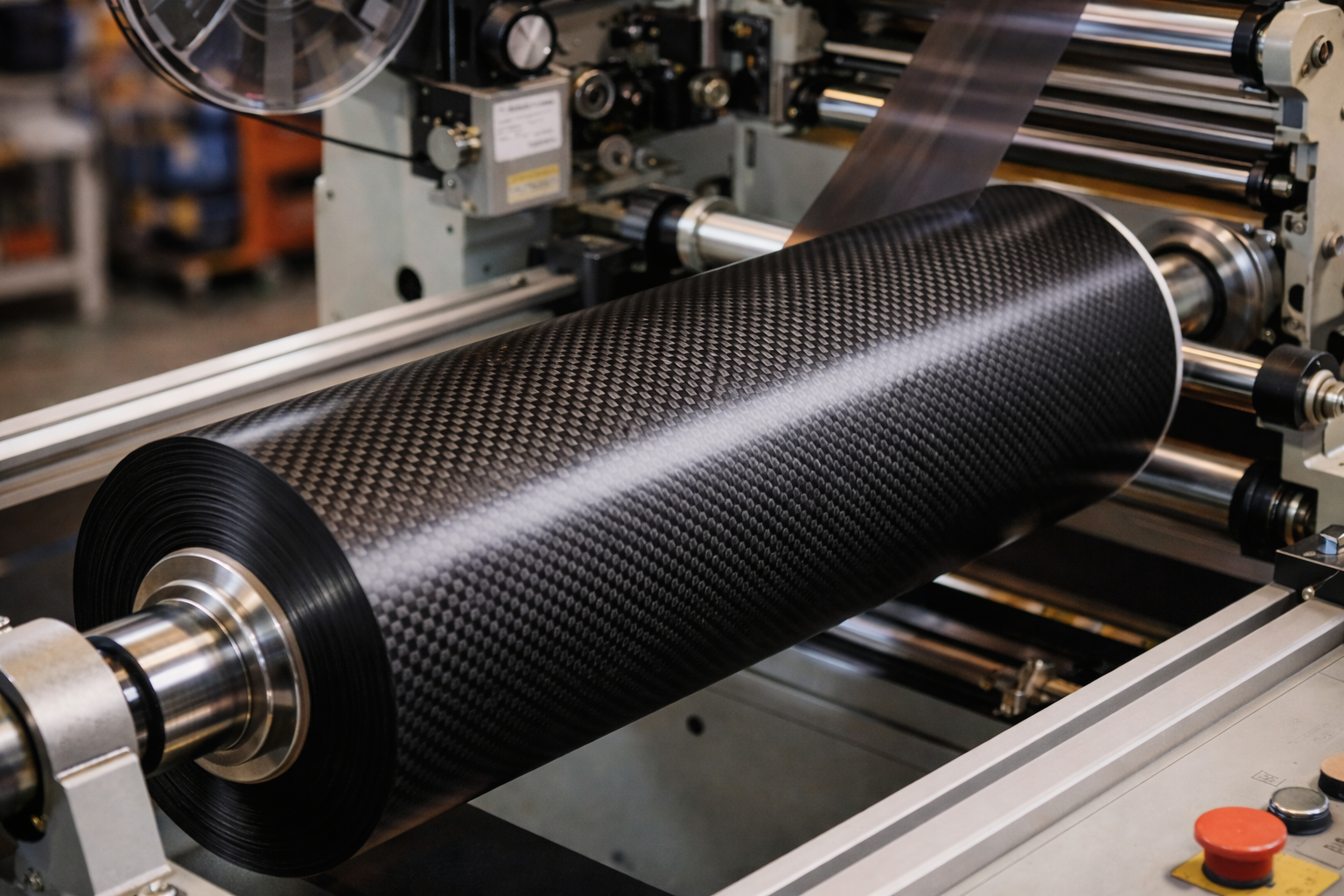
Roller Tracking Problems: Causes, Diagnostics, and Proven Fixes

Roller Tracking Problems: Causes, Diagnostics, and Proven Fixes

Roller tracking problems waste time and damage valuable material. Misalignment, roller crown wear, and uneven nip pressure cause wrinkles, edge damage, and coil wander that disrupt your web handling process. You’ll learn quick diagnostic steps and proven fixes to stop tracking drift and keep your line running smoothly. Partner with Thistle Roller Co. for expert roller reconditioning, custom-engineered solutions, and on-site support that cut downtime and waste. For more information, visit this source.

Understanding Roller Tracking Problems

Roller tracking issues can bring production to a halt, but understanding the common causes helps you address them effectively.

Common Causes of Misalignment

Misalignment occurs when rollers are not parallel, leading to tracking drift. You might notice this when your web material shifts unexpectedly. A common cause is improper installation. If a drive roller isn’t installed correctly, it can lead to misalignment. Bearing housing wear is another culprit, causing rollers to shift out of place over time. Keep an eye on journal repair needs to maintain alignment. Regular checks on these components can prevent significant issues.

Diagnosing Tracking Drift and Skew

Tracking drift can be subtle at first but becomes obvious when wrinkles in the web appear. Start by assessing the idler rollers. If they show skew, it might be time to adjust or replace them. Tension control plays a role too. Insufficient tension allows movement that causes drift. Monitoring nip pressure ensures consistent tension across the web. Addressing these areas early on can save you time and material.

Identifying Signs of Edge Damage

Edge damage is a clear sign of roller issues. Look for telescoping rolls or coil wander. These indicate uneven wear or pressure. Check the roller crown for wear. If it’s compromised, your web handling suffers. Routine inspections help catch these issues before they escalate. Addressing edge damage quickly prevents costly material loss and extended downtime.

Effective Diagnostic Steps

Knowing how to find the root of the problem is vital. These steps will guide you through diagnosing roller tracking issues accurately.

Utilizing Laser Alignment for Precision

Precision is key in diagnosing roller problems. Laser alignment offers an accurate way to ensure all rollers are aligned properly. It’s a simple tool that can pinpoint parallelism issues quickly. Most people think manual checks suffice, but lasers provide unmatched accuracy. Integrating this technology into your routine checks can prevent misalignment from derailing your operations.

Assessing Nip Pressure and Tension Control

Understanding your nip pressure is crucial. Uneven pressure leads to edge damage and tracking drift. Use sensors to monitor pressure levels consistently. Tension control is another piece of the puzzle. Without proper tension, the web can slip or move unpredictably. Regularly calibrate your tension control systems to maintain stable web handling. These proactive measures can significantly reduce downtime.

Evaluating Roller Crown and Concentricity

A worn roller crown affects web stability. Regularly check your rollers for concentricity to prevent this. If the crown is uneven, it can cause skew and drift. Runout or TIR checks help identify crown issues early. Addressing these problems with precision machining or replacement prevents ongoing issues. Investing in quality rollers ensures longer service life and fewer disruptions.

Proven Fixes and Preventive Measures

Addressing roller problems proactively can save resources and time. Implement these proven measures to keep your operations running smoothly.

Corrective Actions for Roller Reconditioning

Reconditioning offers a second life to your rollers. Roller reconditioning involves restoring rollers to their optimal condition. This process includes journal repair and bearing housing adjustments. Using tungsten carbide coating extends the roller’s life, protecting against wear. These actions reduce the need for frequent replacements, cutting down on costs and downtime.

Importance of Dynamic Balancing and HVOF Coating

Dynamic balancing ensures smooth operation. An unbalanced roller can lead to vibration and noise, affecting production quality. HVOF coating enhances roller durability. It offers a hard surface that withstands wear better than traditional coatings. Many assume all coatings are the same, but HVOF stands out for its resilience. These upgrades are investments in long-term efficiency.

Reducing Downtime with Preventive Maintenance Strategies

Preventive maintenance is your best ally in avoiding downtime. Regular checks on roller crown and concentricity catch issues early. Implement a core exchange program to streamline roller replacement. This strategy reduces lead times and keeps your line moving. Integrating laser alignment as a routine check helps maintain precision. The longer you wait to act, the more disruptive the problems become. Consistent maintenance ensures stable web handling and maximizes production output.

Thistle Roller Co. stands ready to support your operations with expert reconditioning and alignment services, ensuring your production line remains efficient and reliable.

Learn how precision rollers solve your toughest manufacturing challenges.
Choosing the Right Roller Material for Heat, Load, and Chemical Exposure

Choosing the Right Roller Material for Heat, Load, and Chemical Exposure

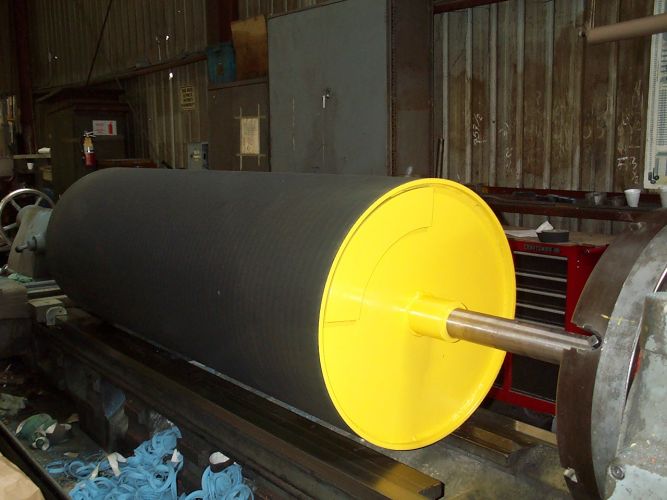
Industrial rollers fail when exposed to heat, heavy loads, and harsh chemicals that outmatch their materials. You know the cost—unexpected downtime, lost production, and rushed replacements. Choosing the right roller materials can keep your line running longer and cut those risks. This guide breaks down core, cover, and coating options designed for tough conditions, so your next roller choice stands up to the challenge. Talk to a Thistle applications engineer today. Request a no-cost materials audit and RFQ. Keep your line running with the right roller, backed by our industry-leading warranty. For more insights on roller materials, check this link.

Understanding Roller Material Selection

Selecting the right roller material is crucial for ensuring your operations run smoothly. Let’s dig into the core elements of industrial rollers.

Importance of Core Materials

Choosing the right core material is your first step. The core serves as the backbone of your roller. Steel is a popular choice due to its strength and durability. But it’s not the only option. Aluminum offers a lighter alternative, reducing overall equipment weight. If corrosion is a concern, stainless steel may be your best bet.

Each core material brings distinct benefits. For instance, steel cores handle high loads well, while aluminum helps in applications where weight reduction is pivotal. Stainless steel, with its anti-corrosion properties, suits environments with moisture or chemical exposure.

Evaluating Cover Options

The cover material of a roller impacts its grip and resilience. Rubber and polyurethane are common choices. Rubber offers excellent grip and shock absorption, making it ideal for general applications. Polyurethane provides superior abrasion resistance, a wise pick for heavy-duty use.

Don’t overlook the significance of the cover thickness. Thicker covers offer longer wear life but may affect the roller’s flexibility. Thinner covers, while not as durable, can provide better feedback and grip. Each option suits different operational needs.

Advanced Coatings for Rollers

Coatings enhance roller performance by adding specialized properties. Tungsten carbide coating is known for its wear resistance, extending roller life. Ceramic coatings provide thermal and chemical resistance, perfect for high-temperature or corrosive environments. Explore this link for a comparison.

For those handling extreme conditions, HVOF coatings are a game changer. They offer the durability of tungsten carbide with additional protection against thermal and chemical wear. Choosing the right coating can mean fewer replacements and less downtime.

Designing for Extreme Conditions

When dealing with extreme conditions, choosing the right materials is only part of the equation. You must also consider how these materials perform under specific stresses.

High Heat Roller Solutions

Operations involving high temperatures demand rollers that can withstand the heat. Ceramic coated rollers excel in such environments, offering excellent thermal stability. Silicone rollers are another smart choice, withstanding temperatures up to 500°F.

However, material isn’t the only factor. Roller design plays a role too. For example, using cooling systems in tandem with heat-resistant materials can enhance performance. Learn more about how industrial rollers operate under high temperatures here.

Managing Heavy Load Demands

Heavy loads can cause significant wear and tear on rollers, leading to frequent replacements. Stainless steel rollers are built for strength and longevity under these conditions. They resist deformation and maintain performance over time.

Consideration of load distribution is essential. Rollers with a larger diameter can handle more weight, reducing stress. Pairing the right material with an optimized design ensures longer service life and operational efficiency.

Chemical Resistance in Rollers

Chemical exposure can quickly degrade rollers not designed to resist it. Nitrile rollers offer excellent oil resistance, making them suitable for environments with petroleum-based substances. EPDM rollers resist a range of chemicals, including acids and alkalis.

Some environments demand even more robust solutions. FKM rollers provide outstanding chemical resistance, even at high temperatures. Investing in these materials minimizes risk and ensures your operations remain uninterrupted. For more information on chemical-resistant materials, refer to this source.

Partnering with Thistle Roller Co.

Choosing the right roller is just the start. Partnering with a reliable manufacturer like Thistle Roller Co. guarantees long-term success.

Reducing Downtime with Precision

Our precision manufacturing processes ensure each roller is built to spec. This precision reduces downtime, keeping your operations running smoothly. With over 70 years of experience, we understand what it takes to deliver rollers that perform.

Expert Consultation Services

We offer expert consultation to help you select the ideal roller materials and designs for your needs. Our team works closely with you to evaluate your requirements and suggest the best solutions, ensuring optimal performance and cost-effectiveness.

Warranty and Customer Support

All our rollers come with an industry-leading warranty, reflecting our confidence in their quality and durability. Our dedicated customer support team is always ready to assist you, ensuring your satisfaction and peace of mind.

In conclusion, selecting the right roller materials for your specific needs is critical for minimizing downtime and maintaining efficient operations. Trust Thistle Roller Co. to provide the expertise and quality you need to keep your production line running smoothly.

Learn how precision rollers solve your toughest manufacturing challenges.
Before You Specify: The OEM/MRO Checklist for Custom Industrial Rollers

Before You Specify: The OEM/MRO Checklist for Custom Industrial Rollers

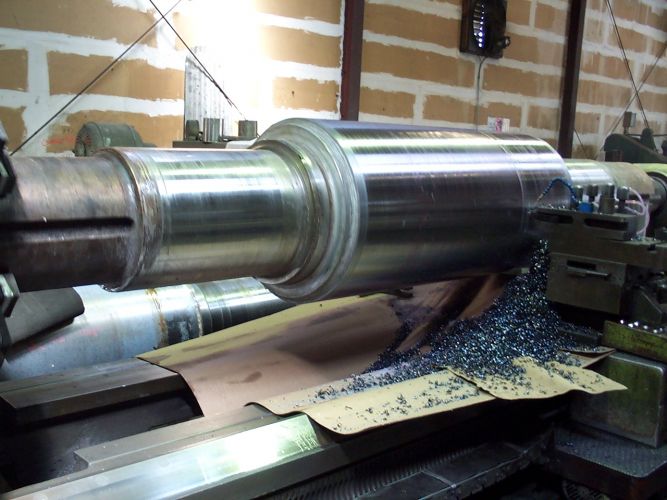
You’ve lost production hours chasing the wrong roller specs again. OEM rollers and MRO roller replacement aren’t just about swapping parts—they demand precise details to cut lead times and boost uptime. This checklist breaks down what your engineering team needs to lock down before you specify custom industrial rollers. Keep reading to avoid costly mistakes and get rollers that last. More insights on avoiding mistakes can be found here.

Understanding Custom Industrial Rollers

Grasping the essentials of custom industrial rollers sets the stage for making informed decisions. Let’s explore how precision and durability play vital roles in your operations.

Importance of Precision and Durability

Precision and durability are the cornerstones of any effective roller. When your rollers fit perfectly, your machines run smoother, reducing downtime and maintenance costs. It’s not just about making things work; it’s about making them last. Custom rollers are crafted to exact specifications, ensuring they meet your unique needs. This precision results in less wear and tear, ultimately saving you money in the long run. Most people think any roller will do, but getting the right fit is crucial.

Key Materials: Steel, Rubber, and More

Choosing the right materials is critical for custom industrial rollers. Materials like steel and rubber are popular for their unique properties. Steel offers strength and stability, making it ideal for heavy-duty applications. It’s strong and can withstand high temperatures and loads. Rubber, on the other hand, provides excellent grip and cushioning, perfect for handling delicate items. Other materials, such as polyurethane, offer flexibility and resistance to chemicals. By knowing the strengths of each material, you can select the best option for your specific needs. Learn more about material selection here.

Advanced Coatings for Specialized Needs

Advanced coatings extend the life of your rollers even further. For instance, ceramic coated rollers offer high resistance to wear and heat, making them suitable for demanding environments. Coatings like HVOF enhance durability by providing a tough, wear-resistant surface. These coatings not only protect the rollers but also improve their performance. Whether you’re dealing with high temperatures or corrosive materials, the right coating can make a significant difference. By investing in advanced coatings, you ensure your rollers can handle whatever your operations throw at them.

Checklist for OEM and MRO Specifications

After understanding the materials and coatings, it’s time to focus on the crucial checklist that aids in specifying OEM and MRO rollers. This ensures you consider all critical factors.

Critical Factors for Roller Selection

When selecting rollers, several factors come into play. Consider the load capacity, as it determines how much weight your roller can handle. The diameter and length affect both the speed and balance of your operations. Additionally, the surface finish is key for applications requiring minimal friction. Don’t forget about the environment: temperature, humidity, and chemical exposure can all impact performance. By evaluating these elements, you align your roller choice with your operational demands. For more on this, read here.

Ensuring Optimal Performance and Longevity

To maximize performance and longevity, regular maintenance is essential. Keep your rollers clean and inspect them frequently for signs of wear. Proper lubrication reduces friction and prevents overheating. Also, ensure your rollers are aligned correctly; misalignment can cause unnecessary strain and shorten their lifespan. By maintaining your rollers, you ensure they run smoothly for longer, reducing the frequency of replacements and downtime.

Streamlining Lead Times and Maintenance

Streamlining lead times and maintenance is crucial for efficiency. Have a reliable supplier who understands your needs and can deliver quickly. Keep a stock of essential parts to prevent prolonged downtimes. Implementing a proactive maintenance schedule allows you to fix small issues before they become major problems. By planning ahead, you reduce waiting times and keep your operations running without a hitch.

Partnering with Thistle Roller Co.

Choosing the right partner can make a significant difference. Thistle Roller Co. provides unparalleled expertise in custom roller solutions.

Expertise in Custom Roller Solutions

Thistle Roller Co. excels in crafting rollers that meet exact specifications. With over 70 years in the industry, they have the experience to tackle any challenge. Their team understands the intricacies of roller design and manufacturing, ensuring that each product is built to last. Whether you need custom-engineered solutions or standard replacements, Thistle Roller Co. offers the expertise necessary to keep your operations running smoothly.

Comprehensive Support and Services

Beyond manufacturing, Thistle Roller Co. offers comprehensive support and services. From initial consultation to final installation, their team is there every step of the way. They provide guidance on material selection, coatings, and design to ensure you get the best roller for your needs. Their support doesn’t end with the sale; ongoing customer service ensures your satisfaction and the long-term success of your rollers.

Fast Quotes and Priority Support Options

Time is money, and Thistle Roller Co. recognizes that. They offer fast quotes and priority support options to get you the solutions you need without delay. By choosing them as your partner, you benefit from their commitment to quick, reliable service. This ensures that your projects stay on schedule and your operations remain uninterrupted. Don’t wait to experience the benefits of working with a trusted leader in the industry.

Why In‑House Roller Manufacturing Delivers Tighter Quality Control and Faster Lead Times

Why In‑House Roller Manufacturing Delivers Tighter Quality Control and Faster Lead Times

You’ve faced delays, quality slips, and costly reworks with roller suppliers before. When every handoff adds risk, your production line pays the price. In-house roller manufacturing cuts these weak links by keeping design, machining, coating, and inspection under one roof. Learn how this approach sharpens quality control for rollers and slashes lead times—helping you keep your line running without surprises. Learn more about this approach here.

In-House Roller Manufacturing Benefits

Bringing roller manufacturing in-house offers a level of control that external suppliers cannot match. This shift not only ensures higher quality but also speeds up delivery times.

Tighter Quality Control Processes

When every step of the process is under one roof, you gain unmatched oversight. At Thistle Roller Co., we take pride in our rigorous quality checks. Each roller goes through extensive testing. We measure surface finish Ra and ensure tolerance and TIR alignment. This meticulous approach guarantees that each roller meets your exact specifications.

Consider the impact of dynamic balancing ISO G2.5. This precision minimizes vibration, extending the roller’s lifespan. Many assume external suppliers offer the same control, but they often rely on third parties. Our in-house team keeps everything aligned with your needs.

The key insight: Control equals quality. External sources might miss critical details. Our integrated process catches these, ensuring optimal performance every time.

Faster Lead Time Advantages

Reducing lead times can transform your operations. By manufacturing in-house, we eliminate the delays caused by external handoffs. This means your industrial rollers arrive when you need them.

One common belief is that faster means lower quality. Our experience proves otherwise. By cutting out middlemen, we maintain high standards and speed up delivery. The result? Less downtime and more productivity for you.

Here’s what this means for your business: Speed and quality are not mutually exclusive. The longer you wait with external suppliers, the more you risk costly delays.

Key Features of Our Manufacturing Model

Our approach combines cutting-edge technology with time-tested techniques to deliver unparalleled results. Dive deeper into what makes our rollers stand out.

Comprehensive Precision Techniques

Precision is at the heart of what we do. Our processes include machined roller cores, precision grinding, and detailed inspection and metrology. Each step is designed to produce the perfect roller for your needs.

Imagine rollers that fit perfectly every time. Our attention to detail ensures this. We utilize manufacturing traceability to track each roller, maintaining consistency and quality.

Here’s the takeaway: Precision techniques eliminate variability. Trusting us with your rollers means trusting in reliability and consistency.

Advanced Coating Capabilities

Coatings are critical for durability. Our HVOF coating technology offers 5X more wear resistance than traditional methods. This advanced technique protects your rollers from harsh conditions.

Visualize your rollers lasting longer, reducing the need for frequent replacements. Our coatings not only extend life but also enhance performance. You get rollers that withstand the toughest environments.

The belief that advanced coatings are costly is outdated. Our efficient processes provide top-tier coatings without breaking your budget.

Efficient Reconditioning and Repairs

Rollers don’t last forever, but reconditioning can extend their life significantly. Our repair services are engineered to restore rollers to their original condition.

Think of this service as a fresh start for your worn rollers. We offer core exchange programs and quick turnarounds. You benefit from reduced downtime and lower costs.

Most people think replacing is the only option. Our reconditioning offers a smarter, more sustainable solution.

Partner with Thistle Roller Co.

Choosing a partner who prioritizes your needs can make all the difference. Learn why Thistle Roller Co. is the right choice for your roller needs.

Seamless Custom Roller Solutions

Custom solutions offer flexibility and efficiency. Our approach involves working closely with you to design rollers that meet your exact requirements. This collaboration ensures the final product integrates seamlessly into your operations.

Imagine having rollers that are perfectly tailored to your business. Our team listens to your needs and delivers solutions that fit.

Some may think custom solutions are complex or costly. With us, customization is straightforward and cost-effective, ensuring your operations run smoothly.

Industry-Leading Customer Support

Support doesn’t end at delivery. Our team is committed to offering ongoing assistance to help you succeed. From initial consultation to after-sales service, we stand by you.

Picture a partner who answers your calls and resolves issues quickly. Our customer support is responsive and dedicated, ensuring your satisfaction.

The idea that post-sale support is lacking in the industry stops here. With Thistle Roller Co., you get a reliable partner committed to your success.

In summary, in-house roller manufacturing at Thistle Roller Co. delivers unmatched quality and speed. From precision techniques to advanced coatings and exceptional support, we are dedicated to keeping your production line efficient and reliable.