Thistle Roller Co.

Why Standard Rollers Fail in Demanding Industrial Applications—and What to Specify Instead

Why Standard Rollers Fail in Demanding Industrial Applications—and What to Specify Instead

Standard industrial rollers often crack under pressure when you need them most. Thermal growth, coating wear, and poor crown profiles silently wreck your production lines, driving costly downtime. You’ll learn why off-the-shelf rollers fail and how custom rollers with HVOF tungsten carbide coating, dynamic balancing, and precise TIR control from Thistle Roller Co. keep your operations running longer and smoother. For more information on roller failures, visit this link.

Common Causes of Roller Failures
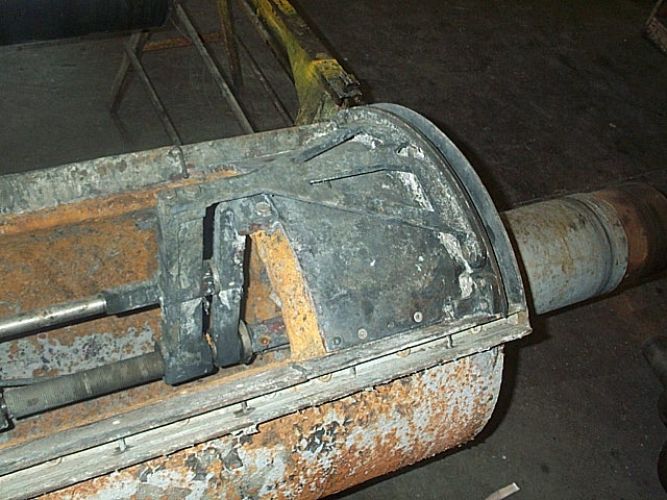
Discovering why rollers fail is the first step to preventing costly downtime. Let’s explore the common culprits that lead to roller issues.

Thermal Expansion and Coating Wear

When rollers face high temperatures, they expand. This expansion can lead to misalignment, causing your equipment to malfunction. The heat also breaks down the roller’s coating, resulting in surface damage. Standard coatings wear quickly, leading to frequent replacements.

Imagine your roller at work in the heat of summer. The temperature rises, and the coating begins to crack. As these cracks deepen, the roller’s performance declines. The solution is using HVOF coatings that withstand high temperatures and prolong roller life. You can read more about coating defects here.

Imbalance and Journal Damage

An unbalanced roller doesn’t just wobble—it disrupts your entire production line. Imbalance leads to vibrations that cause wear on bearings and journals. These components then face a higher risk of damage, resulting in expensive repairs.

Picture a roller spinning out of balance. The vibration grows louder, and soon, the journal is damaged. Your operations come to a halt. Dynamic balancing can prevent this scenario by ensuring smooth rotation and reducing wear on parts. For more insights on roller imbalance issues, check this article.

Poor Crown Profile and TIR Issues

A poorly designed crown profile leads to uneven material distribution. This inconsistency affects the quality of your products and increases waste. Total indicator runout (TIR) problems occur when the roller’s surface isn’t perfectly round, impacting performance.

Consider a roller with a flawed crown profile. Material gathers unevenly, causing jams and defects. Precise TIR control ensures a smooth surface and even distribution. For a deeper dive into these issues, visit this source.

The Hidden Cost of Downtime
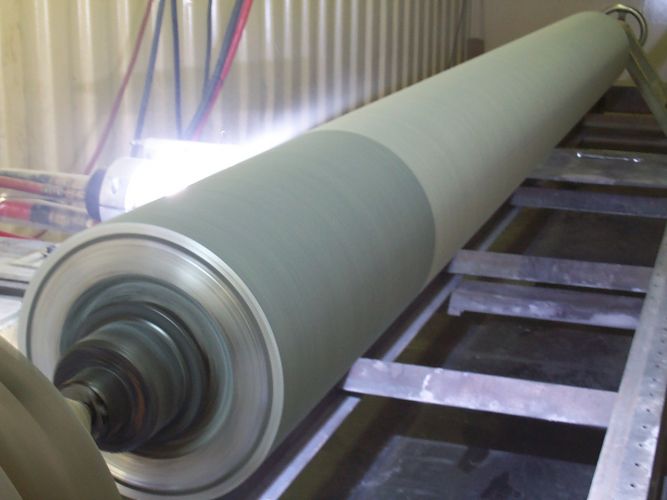
Unexpected downtime isn’t just frustrating; it eats into your bottom line. Let’s quantify the financial impact and see how it affects maintenance.

Quantifying Production Losses

Every minute of downtime costs money. When your line stops, productivity plummets. This loss can range from a few hundred to thousands of dollars per hour, depending on your operation’s scale.

Imagine the clock ticking as your line sits idle. Each second piles on costs, from lost production to missed deadlines. Understanding these losses highlights the importance of investing in reliable rollers.

Impact on Maintenance and Repairs

Frequent breakdowns mean more maintenance. This not only increases labor costs but also strains your budget with constant part replacements. Investing in durable rollers reduces these demands.

Visualize a maintenance team scrambling to fix a broken roller. The hours spent repairing could be used elsewhere. Choosing high-quality rollers minimizes this disruption and keeps your team focused on proactive tasks.

Benefits of Custom Rollers
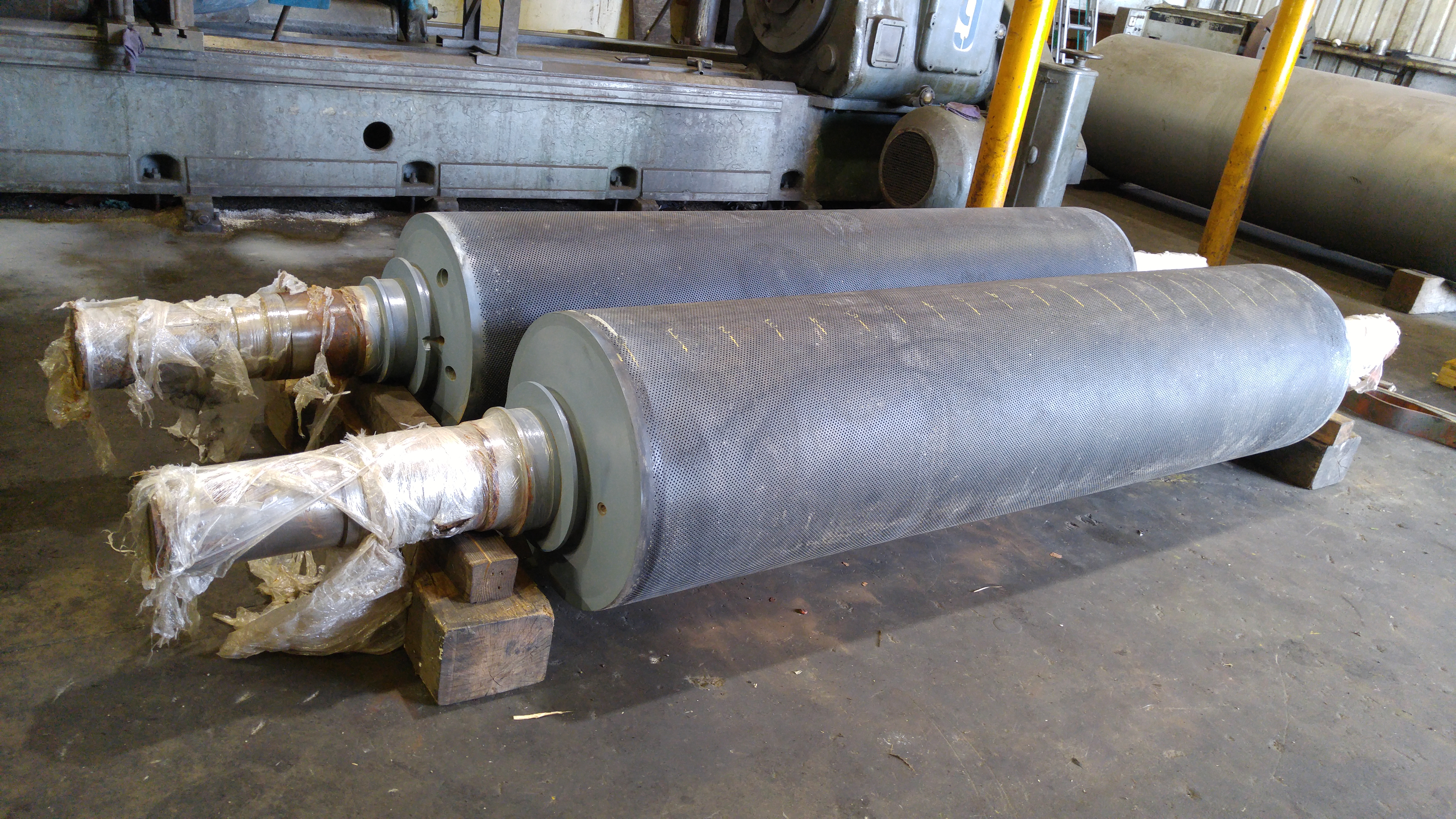
Custom rollers aren’t just about function; they’re about optimizing your entire operation. Let’s explore the advantages they bring.

HVOF Coating and Dynamic Balancing

Using HVOF coatings provides a strong protective layer against wear and heat, extending roller life. Dynamic balancing ensures smooth rotation, reducing wear on journals and bearings.

Consider a custom roller with these features. It runs smoothly and lasts longer, cutting down on replacements. This is how you achieve downtime reduction and boost your operation’s efficiency.

Precision Grinding and Concentricity Control

Precision grinding creates a perfectly round surface, ensuring even material distribution. Concentricity control eliminates irregularities, improving performance and reducing waste.

Picture a roller with precision grinding. It delivers consistent results, enhancing product quality and minimizing defects. This is the power of concentricity and high-quality craftsmanship in action.

Chemical Resistant and High Temperature Options

Custom rollers can be tailored for specific environments. Chemical-resistant coatings protect against harsh chemicals, while high-temperature options handle extreme heat.

Imagine a roller enduring a chemical bath without damage. These specialized features prevent premature wear and extend service life, proving that investing in the right materials pays off.

By choosing Thistle Roller Co., you’re investing in quality, reliability, and longevity for your operations. Our custom-engineered solutions ensure that you stay ahead, keeping your lines running smoothly and efficiently.

Learn how precision rollers solve your toughest manufacturing challenges.
Choosing the Right Roller Material for Heat, Load, and Chemical Exposure

Choosing the Right Roller Material for Heat, Load, and Chemical Exposure

Industrial rollers fail when exposed to heat, heavy loads, and harsh chemicals that outmatch their materials. You know the cost—unexpected downtime, lost production, and rushed replacements. Choosing the right roller materials can keep your line running longer and cut those risks. This guide breaks down core, cover, and coating options designed for tough conditions, so your next roller choice stands up to the challenge. Talk to a Thistle applications engineer today. Request a no-cost materials audit and RFQ. Keep your line running with the right roller, backed by our industry-leading warranty. For more insights on roller materials, check this link.

Understanding Roller Material Selection

Selecting the right roller material is crucial for ensuring your operations run smoothly. Let’s dig into the core elements of industrial rollers.

Importance of Core Materials

Choosing the right core material is your first step. The core serves as the backbone of your roller. Steel is a popular choice due to its strength and durability. But it’s not the only option. Aluminum offers a lighter alternative, reducing overall equipment weight. If corrosion is a concern, stainless steel may be your best bet.

Each core material brings distinct benefits. For instance, steel cores handle high loads well, while aluminum helps in applications where weight reduction is pivotal. Stainless steel, with its anti-corrosion properties, suits environments with moisture or chemical exposure.

Evaluating Cover Options

The cover material of a roller impacts its grip and resilience. Rubber and polyurethane are common choices. Rubber offers excellent grip and shock absorption, making it ideal for general applications. Polyurethane provides superior abrasion resistance, a wise pick for heavy-duty use.

Don’t overlook the significance of the cover thickness. Thicker covers offer longer wear life but may affect the roller’s flexibility. Thinner covers, while not as durable, can provide better feedback and grip. Each option suits different operational needs.

Advanced Coatings for Rollers

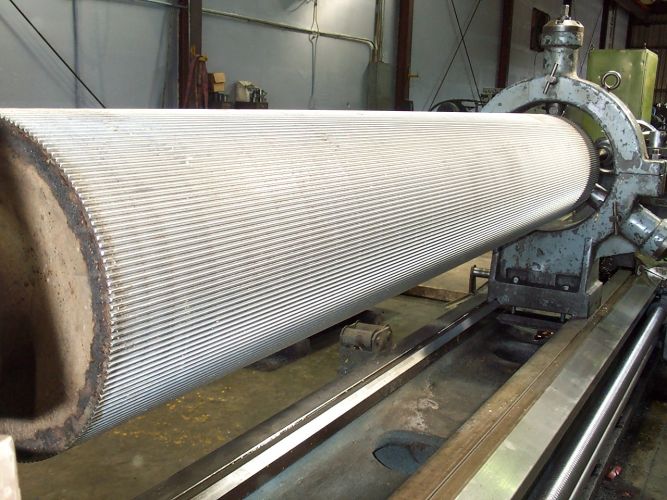
Coatings enhance roller performance by adding specialized properties. Tungsten carbide coating is known for its wear resistance, extending roller life. Ceramic coatings provide thermal and chemical resistance, perfect for high-temperature or corrosive environments. Explore this link for a comparison.

For those handling extreme conditions, HVOF coatings are a game changer. They offer the durability of tungsten carbide with additional protection against thermal and chemical wear. Choosing the right coating can mean fewer replacements and less downtime.

Designing for Extreme Conditions

When dealing with extreme conditions, choosing the right materials is only part of the equation. You must also consider how these materials perform under specific stresses.

High Heat Roller Solutions

Operations involving high temperatures demand rollers that can withstand the heat. Ceramic coated rollers excel in such environments, offering excellent thermal stability. Silicone rollers are another smart choice, withstanding temperatures up to 500°F.

However, material isn’t the only factor. Roller design plays a role too. For example, using cooling systems in tandem with heat-resistant materials can enhance performance. Learn more about how industrial rollers operate under high temperatures here.

Managing Heavy Load Demands

Heavy loads can cause significant wear and tear on rollers, leading to frequent replacements. Stainless steel rollers are built for strength and longevity under these conditions. They resist deformation and maintain performance over time.

Consideration of load distribution is essential. Rollers with a larger diameter can handle more weight, reducing stress. Pairing the right material with an optimized design ensures longer service life and operational efficiency.

Chemical Resistance in Rollers

Chemical exposure can quickly degrade rollers not designed to resist it. Nitrile rollers offer excellent oil resistance, making them suitable for environments with petroleum-based substances. EPDM rollers resist a range of chemicals, including acids and alkalis.

Some environments demand even more robust solutions. FKM rollers provide outstanding chemical resistance, even at high temperatures. Investing in these materials minimizes risk and ensures your operations remain uninterrupted. For more information on chemical-resistant materials, refer to this source.

Partnering with Thistle Roller Co.

Choosing the right roller is just the start. Partnering with a reliable manufacturer like Thistle Roller Co. guarantees long-term success.

Reducing Downtime with Precision

Our precision manufacturing processes ensure each roller is built to spec. This precision reduces downtime, keeping your operations running smoothly. With over 70 years of experience, we understand what it takes to deliver rollers that perform.

Expert Consultation Services

We offer expert consultation to help you select the ideal roller materials and designs for your needs. Our team works closely with you to evaluate your requirements and suggest the best solutions, ensuring optimal performance and cost-effectiveness.

Warranty and Customer Support

All our rollers come with an industry-leading warranty, reflecting our confidence in their quality and durability. Our dedicated customer support team is always ready to assist you, ensuring your satisfaction and peace of mind.

In conclusion, selecting the right roller materials for your specific needs is critical for minimizing downtime and maintaining efficient operations. Trust Thistle Roller Co. to provide the expertise and quality you need to keep your production line running smoothly.

Learn how precision rollers solve your toughest manufacturing challenges.