
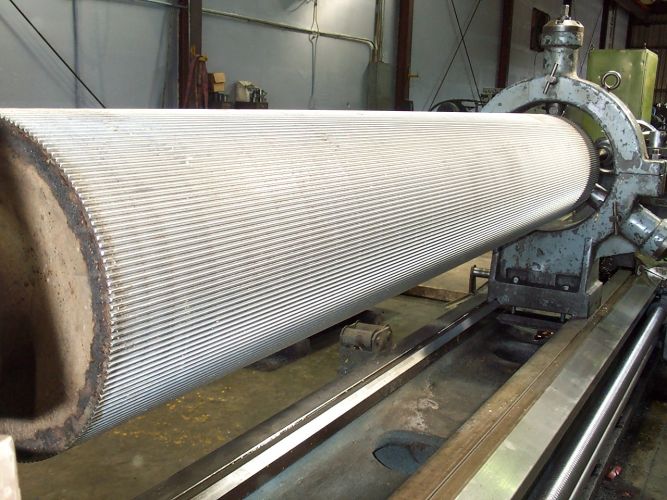
Choosing the Right Roller Material for Heat, Load, and Chemical Exposure
Industrial rollers fail when exposed to heat, heavy loads, and harsh chemicals that outmatch their materials. You know the cost—unexpected downtime, lost production, and rushed replacements. Choosing the right roller materials can keep your line running longer and cut those risks. This guide breaks down core, cover, and coating options designed for tough conditions, so your next roller choice stands up to the challenge. Talk to a Thistle applications engineer today. Request a no-cost materials audit and RFQ. Keep your line running with the right roller, backed by our industry-leading warranty. For more insights on roller materials, check this link.
Understanding Roller Material Selection
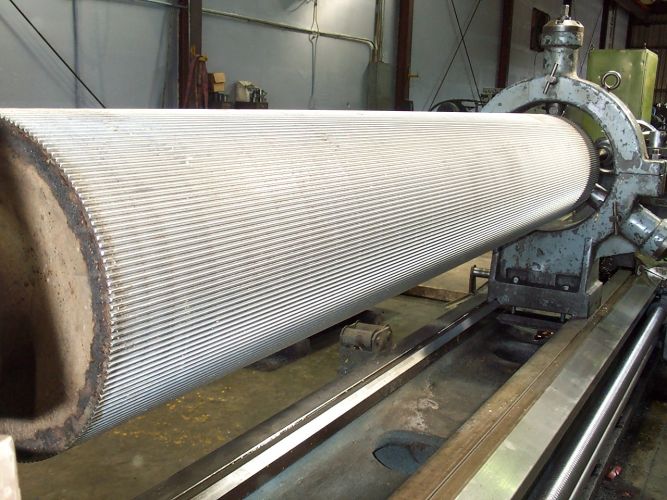
Selecting the right roller material is crucial for ensuring your operations run smoothly. Let’s dig into the core elements of industrial rollers.
Importance of Core Materials
Choosing the right core material is your first step. The core serves as the backbone of your roller. Steel is a popular choice due to its strength and durability. But it’s not the only option. Aluminum offers a lighter alternative, reducing overall equipment weight. If corrosion is a concern, stainless steel may be your best bet.
Each core material brings distinct benefits. For instance, steel cores handle high loads well, while aluminum helps in applications where weight reduction is pivotal. Stainless steel, with its anti-corrosion properties, suits environments with moisture or chemical exposure.
Evaluating Cover Options
The cover material of a roller impacts its grip and resilience. Rubber and polyurethane are common choices. Rubber offers excellent grip and shock absorption, making it ideal for general applications. Polyurethane provides superior abrasion resistance, a wise pick for heavy-duty use.
Don’t overlook the significance of the cover thickness. Thicker covers offer longer wear life but may affect the roller’s flexibility. Thinner covers, while not as durable, can provide better feedback and grip. Each option suits different operational needs.
Advanced Coatings for Rollers
Coatings enhance roller performance by adding specialized properties. Tungsten carbide coating is known for its wear resistance, extending roller life. Ceramic coatings provide thermal and chemical resistance, perfect for high-temperature or corrosive environments. Explore this link for a comparison.
For those handling extreme conditions, HVOF coatings are a game changer. They offer the durability of tungsten carbide with additional protection against thermal and chemical wear. Choosing the right coating can mean fewer replacements and less downtime.
Designing for Extreme Conditions
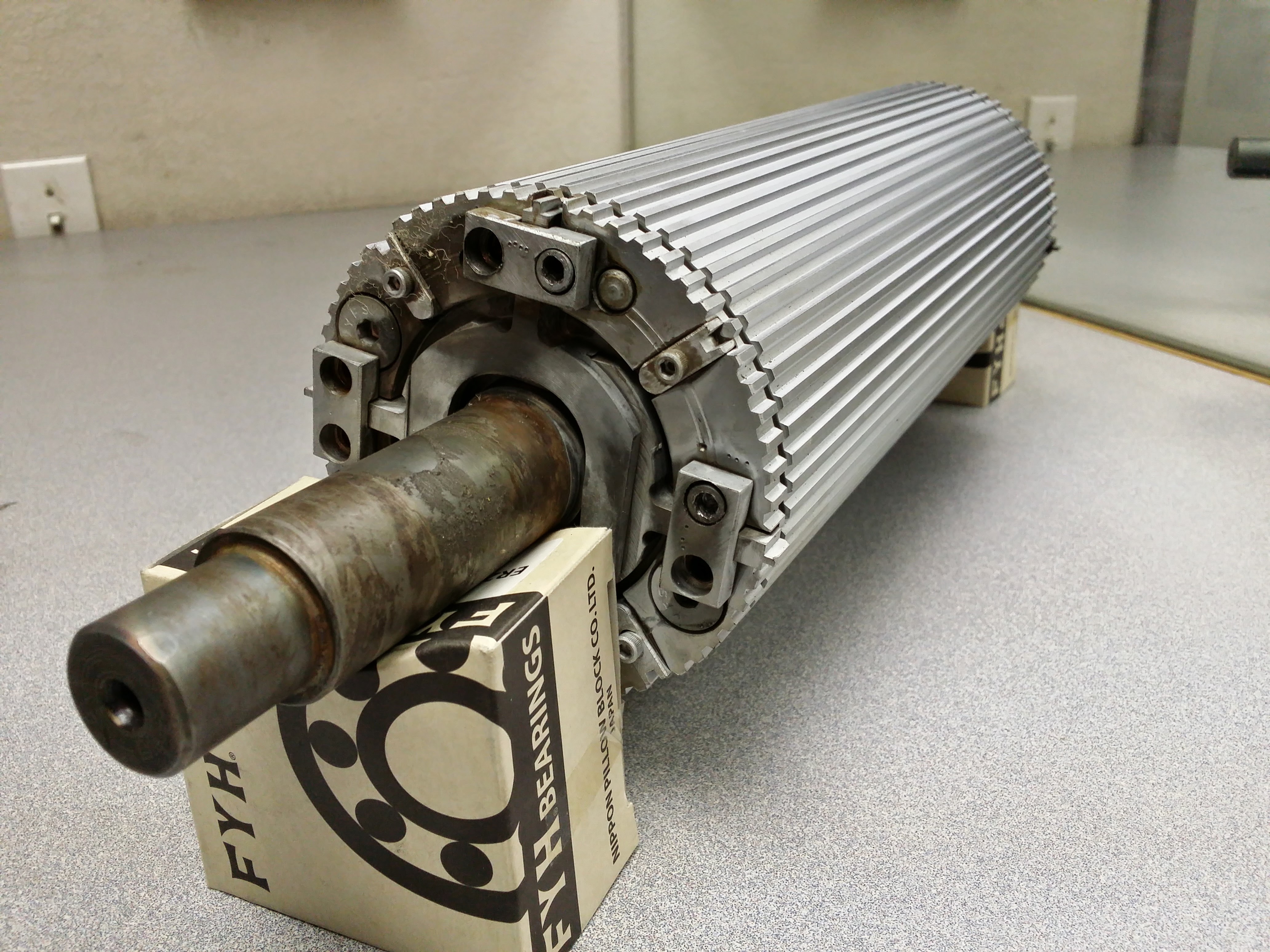
When dealing with extreme conditions, choosing the right materials is only part of the equation. You must also consider how these materials perform under specific stresses.
High Heat Roller Solutions
Operations involving high temperatures demand rollers that can withstand the heat. Ceramic coated rollers excel in such environments, offering excellent thermal stability. Silicone rollers are another smart choice, withstanding temperatures up to 500°F.
However, material isn’t the only factor. Roller design plays a role too. For example, using cooling systems in tandem with heat-resistant materials can enhance performance. Learn more about how industrial rollers operate under high temperatures here.
Managing Heavy Load Demands
Heavy loads can cause significant wear and tear on rollers, leading to frequent replacements. Stainless steel rollers are built for strength and longevity under these conditions. They resist deformation and maintain performance over time.
Consideration of load distribution is essential. Rollers with a larger diameter can handle more weight, reducing stress. Pairing the right material with an optimized design ensures longer service life and operational efficiency.
Chemical Resistance in Rollers
Chemical exposure can quickly degrade rollers not designed to resist it. Nitrile rollers offer excellent oil resistance, making them suitable for environments with petroleum-based substances. EPDM rollers resist a range of chemicals, including acids and alkalis.
Some environments demand even more robust solutions. FKM rollers provide outstanding chemical resistance, even at high temperatures. Investing in these materials minimizes risk and ensures your operations remain uninterrupted. For more information on chemical-resistant materials, refer to this source.
Partnering with Thistle Roller Co.
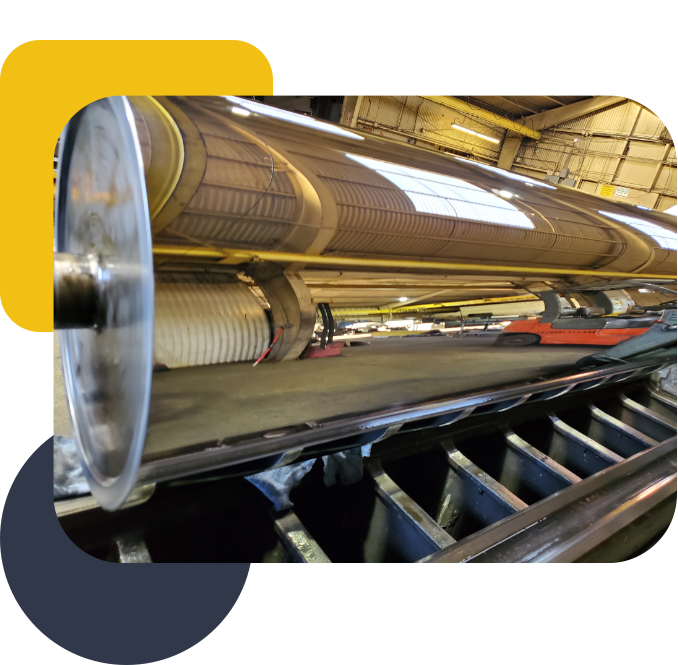
Choosing the right roller is just the start. Partnering with a reliable manufacturer like Thistle Roller Co. guarantees long-term success.
Reducing Downtime with Precision
Our precision manufacturing processes ensure each roller is built to spec. This precision reduces downtime, keeping your operations running smoothly. With over 70 years of experience, we understand what it takes to deliver rollers that perform.
Expert Consultation Services
We offer expert consultation to help you select the ideal roller materials and designs for your needs. Our team works closely with you to evaluate your requirements and suggest the best solutions, ensuring optimal performance and cost-effectiveness.
Warranty and Customer Support
All our rollers come with an industry-leading warranty, reflecting our confidence in their quality and durability. Our dedicated customer support team is always ready to assist you, ensuring your satisfaction and peace of mind.
In conclusion, selecting the right roller materials for your specific needs is critical for minimizing downtime and maintaining efficient operations. Trust Thistle Roller Co. to provide the expertise and quality you need to keep your production line running smoothly.
Learn how precision rollers solve your toughest manufacturing challenges.