Thistle Roller Co.

Spot Roller Wear Early: Stop Unplanned Downtime Before It Starts

Spot Roller Wear Early: Stop Unplanned Downtime Before It Starts

Roller wear doesn’t announce itself before causing unplanned downtime. You know the cost when your production line grinds to a halt because a roller failed without warning. Spotting early signs like TIR, surface finish issues, or bearing failure can keep your line moving and your schedule intact. Use this checklist to catch roller wear before it stops your operation—and see how Thistle Roller Co. supports you with inspections, reconditioning, and custom replacements.

Detecting Roller Wear Early
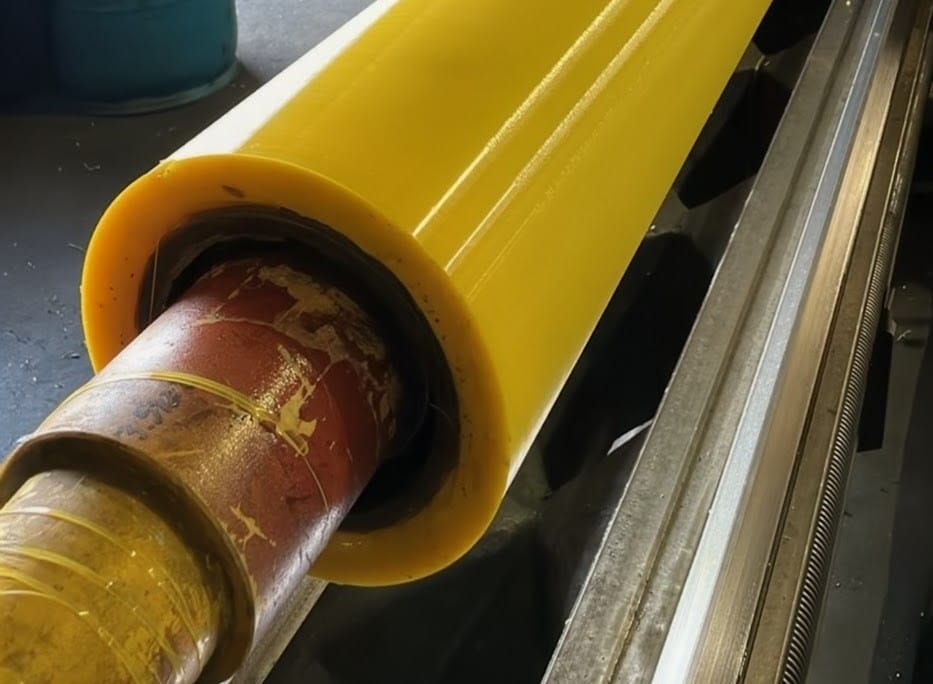
Keeping your production line running smoothly hinges on spotting roller wear early. Let’s break down the signs to watch for, ensuring you catch issues before they escalate.

Common Surface Defects

Surface defects are the first red flags. You might notice scratches or indentations. These are more than cosmetic; they signal damage that can worsen over time. Regular inspections help you catch these early. Use a flashlight at different angles to spot imperfections. If left unchecked, they can lead to more significant issues, affecting your product quality and causing unplanned downtime.

Surface defects often result from material buildup or improper handling. Keeping rollers clean and handling with care is essential. If your production involves materials like film or foil, these defects can snag and tear products. You don’t want unexpected surprises slowing you down. Consistent monitoring is key.

Diameter Loss and TIR

Diameter loss and TIR (Total Indicator Runout) are silent threats. They sneak up on you, slowly affecting roller performance without immediate signs. Inaccuracies in diameter can lead to misalignment, affecting product consistency. Regular measurements are crucial. Use calipers to check diameter and dial indicators for TIR. A misaligned roller can disrupt the entire production line.

TIR indicates how much a roller deviates from a true circle as it rotates. Excessive TIR can cause vibrations and uneven pressure distribution. This impacts both product quality and machine health. Regular checks can save you from these headaches. Learn more about predictive maintenance to stay ahead of the curve.

Hardness Drift and Coating Breakdown

Hardness drift signals changes in roller material, affecting its performance. Regular hardness testing ensures your rollers maintain optimal function. Changes can lead to faster wear or reduced efficiency. Coating breakdown is another concern, as exposed rollers are vulnerable to damage.

Coatings protect rollers from harsh environments. Once compromised, the roller is at risk of scratching or chemical damage. Regularly inspect coatings for cracks or peeling. Address issues promptly to avoid costly repairs down the line.

Key Inspection Techniques
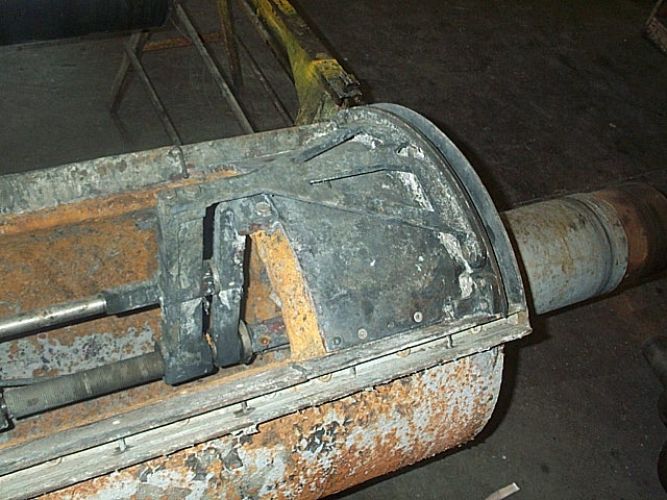
Accurate inspections prevent small issues from escalating. Let’s explore techniques to ensure your rollers stay in peak condition.

Bearing and Seal Issues

Bearings and seals are vital for smooth operation. Signs of wear include noise or leaks. Check for these regularly. Listen for unusual sounds and inspect seals for oil residue. A failing bearing can cause excessive friction, leading to overheating.

Seals keep contaminants out. If damaged, dirt and moisture can enter, causing premature wear. Regular checks prevent these issues. Replace worn seals promptly to maintain roller health.

Surface Finish and Concentricity

A roller’s surface finish affects how materials move. Irregular finishes can cause materials to stick or slide erratically. Inspect surfaces regularly to ensure they’re smooth. Use a roughness tester for precise measurements.

Concentricity, the alignment of the roller’s axis, is equally critical. Misalignment affects balance, causing wobbling. This impacts product quality and machine longevity. Regular checks with alignment tools can prevent these problems. Explore these maintenance tips for smoother operations.

Vibration Analysis and Dynamic Balancing

Vibration analysis identifies imbalances early. A balanced roller runs smoothly, reducing wear on other components. Use vibration sensors to monitor performance. Sudden increases in vibration indicate potential issues.

Dynamic balancing corrects imbalances before they cause damage. It ensures even weight distribution, prolonging roller life. Regular balancing checks can prevent performance drops and costly downtime.

Proactive Maintenance Strategies
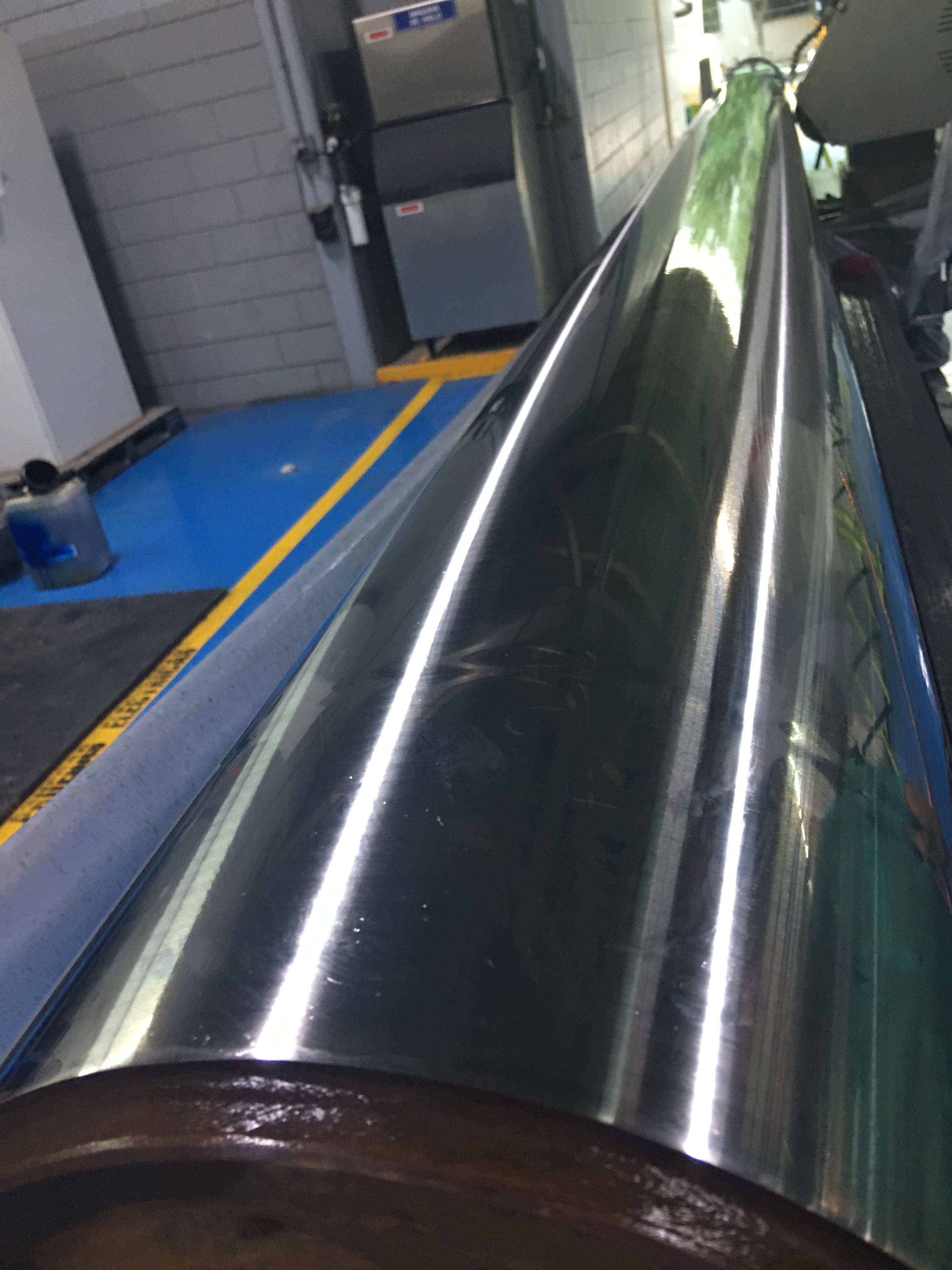
Proactive maintenance is your best defense against roller wear. Let’s delve into strategies that keep your rollers in top shape.

Roller Reconditioning and Grinding

Reconditioning restores roller efficiency. It involves grinding surfaces to remove defects and restore original profiles. This process can extend roller life significantly. Regular reconditioning prevents minor defects from escalating into major issues.

Grinding addresses diameter changes and wear. By keeping rollers within specification, you maintain consistent product quality. Regular reconditioning schedules can save you time and money.

Core Exchange and On-Site Coating

Core exchange programs reduce downtime. Swap worn cores for reconditioned ones, keeping your line moving. This strategy minimizes disruptions and extends roller life. It’s a smart move for high-demand operations.

On-site coating applications protect rollers from environmental damage. Coatings reduce wear and enhance performance. Regular coating maintenance ensures long-term protection. Consider these options to keep your rollers running smoothly.

MRO Support and OEM Replacement Rollers

Partnering with trusted MRO (Maintenance, Repair, and Operations) providers ensures access to replacement parts when needed. OEM replacement rollers guarantee compatibility and performance. They reduce the risk of unforeseen failures.

Having a reliable partner for replacements and support is invaluable. It ensures your operations remain smooth and efficient. Explore ways to reduce downtime and enhance production reliability. By implementing these strategies, you safeguard your operations against unexpected disruptions.

Learn how precision rollers solve your toughest manufacturing challenges.
Why Standard Rollers Fail in Demanding Industrial Applications—and What to Specify Instead

Why Standard Rollers Fail in Demanding Industrial Applications—and What to Specify Instead

Standard industrial rollers often crack under pressure when you need them most. Thermal growth, coating wear, and poor crown profiles silently wreck your production lines, driving costly downtime. You’ll learn why off-the-shelf rollers fail and how custom rollers with HVOF tungsten carbide coating, dynamic balancing, and precise TIR control from Thistle Roller Co. keep your operations running longer and smoother. For more information on roller failures, visit this link.

Common Causes of Roller Failures

Discovering why rollers fail is the first step to preventing costly downtime. Let’s explore the common culprits that lead to roller issues.

Thermal Expansion and Coating Wear

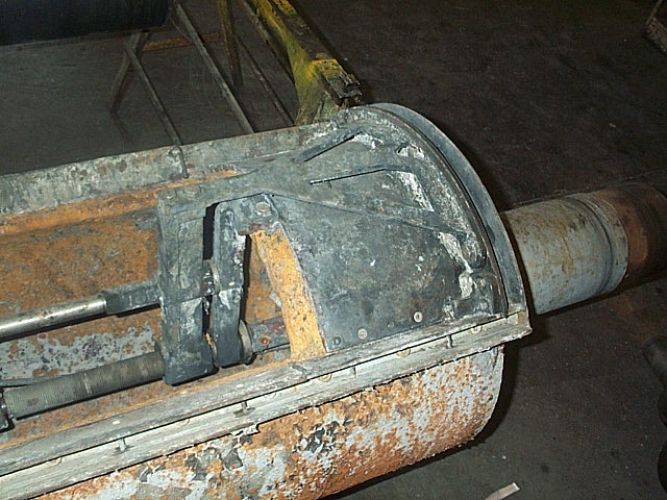
When rollers face high temperatures, they expand. This expansion can lead to misalignment, causing your equipment to malfunction. The heat also breaks down the roller’s coating, resulting in surface damage. Standard coatings wear quickly, leading to frequent replacements.

Imagine your roller at work in the heat of summer. The temperature rises, and the coating begins to crack. As these cracks deepen, the roller’s performance declines. The solution is using HVOF coatings that withstand high temperatures and prolong roller life. You can read more about coating defects here.

Imbalance and Journal Damage

An unbalanced roller doesn’t just wobble—it disrupts your entire production line. Imbalance leads to vibrations that cause wear on bearings and journals. These components then face a higher risk of damage, resulting in expensive repairs.

Picture a roller spinning out of balance. The vibration grows louder, and soon, the journal is damaged. Your operations come to a halt. Dynamic balancing can prevent this scenario by ensuring smooth rotation and reducing wear on parts. For more insights on roller imbalance issues, check this article.

Poor Crown Profile and TIR Issues

A poorly designed crown profile leads to uneven material distribution. This inconsistency affects the quality of your products and increases waste. Total indicator runout (TIR) problems occur when the roller’s surface isn’t perfectly round, impacting performance.

Consider a roller with a flawed crown profile. Material gathers unevenly, causing jams and defects. Precise TIR control ensures a smooth surface and even distribution. For a deeper dive into these issues, visit this source.

The Hidden Cost of Downtime

Unexpected downtime isn’t just frustrating; it eats into your bottom line. Let’s quantify the financial impact and see how it affects maintenance.

Quantifying Production Losses

Every minute of downtime costs money. When your line stops, productivity plummets. This loss can range from a few hundred to thousands of dollars per hour, depending on your operation’s scale.

Imagine the clock ticking as your line sits idle. Each second piles on costs, from lost production to missed deadlines. Understanding these losses highlights the importance of investing in reliable rollers.

Impact on Maintenance and Repairs

Frequent breakdowns mean more maintenance. This not only increases labor costs but also strains your budget with constant part replacements. Investing in durable rollers reduces these demands.

Visualize a maintenance team scrambling to fix a broken roller. The hours spent repairing could be used elsewhere. Choosing high-quality rollers minimizes this disruption and keeps your team focused on proactive tasks.

Benefits of Custom Rollers

Custom rollers aren’t just about function; they’re about optimizing your entire operation. Let’s explore the advantages they bring.

HVOF Coating and Dynamic Balancing

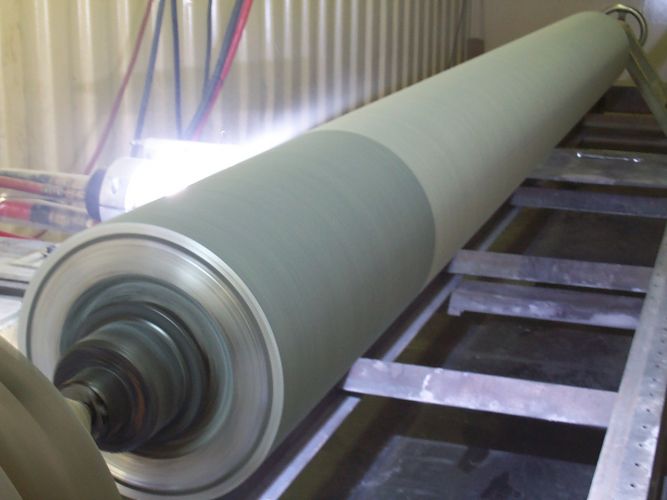
Using HVOF coatings provides a strong protective layer against wear and heat, extending roller life. Dynamic balancing ensures smooth rotation, reducing wear on journals and bearings.

Consider a custom roller with these features. It runs smoothly and lasts longer, cutting down on replacements. This is how you achieve downtime reduction and boost your operation’s efficiency.

Precision Grinding and Concentricity Control

Precision grinding creates a perfectly round surface, ensuring even material distribution. Concentricity control eliminates irregularities, improving performance and reducing waste.

Picture a roller with precision grinding. It delivers consistent results, enhancing product quality and minimizing defects. This is the power of concentricity and high-quality craftsmanship in action.

Chemical Resistant and High Temperature Options

Custom rollers can be tailored for specific environments. Chemical-resistant coatings protect against harsh chemicals, while high-temperature options handle extreme heat.

Imagine a roller enduring a chemical bath without damage. These specialized features prevent premature wear and extend service life, proving that investing in the right materials pays off.

By choosing Thistle Roller Co., you’re investing in quality, reliability, and longevity for your operations. Our custom-engineered solutions ensure that you stay ahead, keeping your lines running smoothly and efficiently.

Learn how precision rollers solve your toughest manufacturing challenges.
Before You Specify: The OEM/MRO Checklist for Custom Industrial Rollers

Before You Specify: The OEM/MRO Checklist for Custom Industrial Rollers

You’ve lost production hours chasing the wrong roller specs again. OEM rollers and MRO roller replacement aren’t just about swapping parts—they demand precise details to cut lead times and boost uptime. This checklist breaks down what your engineering team needs to lock down before you specify custom industrial rollers. Keep reading to avoid costly mistakes and get rollers that last. More insights on avoiding mistakes can be found here.

Understanding Custom Industrial Rollers

Grasping the essentials of custom industrial rollers sets the stage for making informed decisions. Let’s explore how precision and durability play vital roles in your operations.

Importance of Precision and Durability

Precision and durability are the cornerstones of any effective roller. When your rollers fit perfectly, your machines run smoother, reducing downtime and maintenance costs. It’s not just about making things work; it’s about making them last. Custom rollers are crafted to exact specifications, ensuring they meet your unique needs. This precision results in less wear and tear, ultimately saving you money in the long run. Most people think any roller will do, but getting the right fit is crucial.

Key Materials: Steel, Rubber, and More

Choosing the right materials is critical for custom industrial rollers. Materials like steel and rubber are popular for their unique properties. Steel offers strength and stability, making it ideal for heavy-duty applications. It’s strong and can withstand high temperatures and loads. Rubber, on the other hand, provides excellent grip and cushioning, perfect for handling delicate items. Other materials, such as polyurethane, offer flexibility and resistance to chemicals. By knowing the strengths of each material, you can select the best option for your specific needs. Learn more about material selection here.

Advanced Coatings for Specialized Needs

Advanced coatings extend the life of your rollers even further. For instance, ceramic coated rollers offer high resistance to wear and heat, making them suitable for demanding environments. Coatings like HVOF enhance durability by providing a tough, wear-resistant surface. These coatings not only protect the rollers but also improve their performance. Whether you’re dealing with high temperatures or corrosive materials, the right coating can make a significant difference. By investing in advanced coatings, you ensure your rollers can handle whatever your operations throw at them.

Checklist for OEM and MRO Specifications

After understanding the materials and coatings, it’s time to focus on the crucial checklist that aids in specifying OEM and MRO rollers. This ensures you consider all critical factors.

Critical Factors for Roller Selection

When selecting rollers, several factors come into play. Consider the load capacity, as it determines how much weight your roller can handle. The diameter and length affect both the speed and balance of your operations. Additionally, the surface finish is key for applications requiring minimal friction. Don’t forget about the environment: temperature, humidity, and chemical exposure can all impact performance. By evaluating these elements, you align your roller choice with your operational demands. For more on this, read here.

Ensuring Optimal Performance and Longevity

To maximize performance and longevity, regular maintenance is essential. Keep your rollers clean and inspect them frequently for signs of wear. Proper lubrication reduces friction and prevents overheating. Also, ensure your rollers are aligned correctly; misalignment can cause unnecessary strain and shorten their lifespan. By maintaining your rollers, you ensure they run smoothly for longer, reducing the frequency of replacements and downtime.

Streamlining Lead Times and Maintenance

Streamlining lead times and maintenance is crucial for efficiency. Have a reliable supplier who understands your needs and can deliver quickly. Keep a stock of essential parts to prevent prolonged downtimes. Implementing a proactive maintenance schedule allows you to fix small issues before they become major problems. By planning ahead, you reduce waiting times and keep your operations running without a hitch.

Partnering with Thistle Roller Co.

Choosing the right partner can make a significant difference. Thistle Roller Co. provides unparalleled expertise in custom roller solutions.

Expertise in Custom Roller Solutions

Thistle Roller Co. excels in crafting rollers that meet exact specifications. With over 70 years in the industry, they have the experience to tackle any challenge. Their team understands the intricacies of roller design and manufacturing, ensuring that each product is built to last. Whether you need custom-engineered solutions or standard replacements, Thistle Roller Co. offers the expertise necessary to keep your operations running smoothly.

Comprehensive Support and Services

Beyond manufacturing, Thistle Roller Co. offers comprehensive support and services. From initial consultation to final installation, their team is there every step of the way. They provide guidance on material selection, coatings, and design to ensure you get the best roller for your needs. Their support doesn’t end with the sale; ongoing customer service ensures your satisfaction and the long-term success of your rollers.

Fast Quotes and Priority Support Options

Time is money, and Thistle Roller Co. recognizes that. They offer fast quotes and priority support options to get you the solutions you need without delay. By choosing them as your partner, you benefit from their commitment to quick, reliable service. This ensures that your projects stay on schedule and your operations remain uninterrupted. Don’t wait to experience the benefits of working with a trusted leader in the industry.