Thistle Roller Co.

Why Standard Rollers Fail in Demanding Industrial Applications—and What to Specify Instead

Why Standard Rollers Fail in Demanding Industrial Applications—and What to Specify Instead

Standard industrial rollers often crack under pressure when you need them most. Thermal growth, coating wear, and poor crown profiles silently wreck your production lines, driving costly downtime. You’ll learn why off-the-shelf rollers fail and how custom rollers with HVOF tungsten carbide coating, dynamic balancing, and precise TIR control from Thistle Roller Co. keep your operations running longer and smoother. For more information on roller failures, visit this link.

Common Causes of Roller Failures
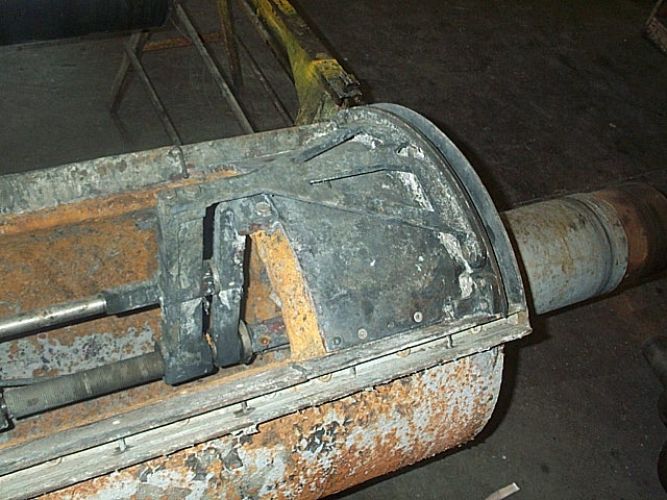
Discovering why rollers fail is the first step to preventing costly downtime. Let’s explore the common culprits that lead to roller issues.

Thermal Expansion and Coating Wear

When rollers face high temperatures, they expand. This expansion can lead to misalignment, causing your equipment to malfunction. The heat also breaks down the roller’s coating, resulting in surface damage. Standard coatings wear quickly, leading to frequent replacements.

Imagine your roller at work in the heat of summer. The temperature rises, and the coating begins to crack. As these cracks deepen, the roller’s performance declines. The solution is using HVOF coatings that withstand high temperatures and prolong roller life. You can read more about coating defects here.

Imbalance and Journal Damage

An unbalanced roller doesn’t just wobble—it disrupts your entire production line. Imbalance leads to vibrations that cause wear on bearings and journals. These components then face a higher risk of damage, resulting in expensive repairs.

Picture a roller spinning out of balance. The vibration grows louder, and soon, the journal is damaged. Your operations come to a halt. Dynamic balancing can prevent this scenario by ensuring smooth rotation and reducing wear on parts. For more insights on roller imbalance issues, check this article.

Poor Crown Profile and TIR Issues

A poorly designed crown profile leads to uneven material distribution. This inconsistency affects the quality of your products and increases waste. Total indicator runout (TIR) problems occur when the roller’s surface isn’t perfectly round, impacting performance.

Consider a roller with a flawed crown profile. Material gathers unevenly, causing jams and defects. Precise TIR control ensures a smooth surface and even distribution. For a deeper dive into these issues, visit this source.

The Hidden Cost of Downtime
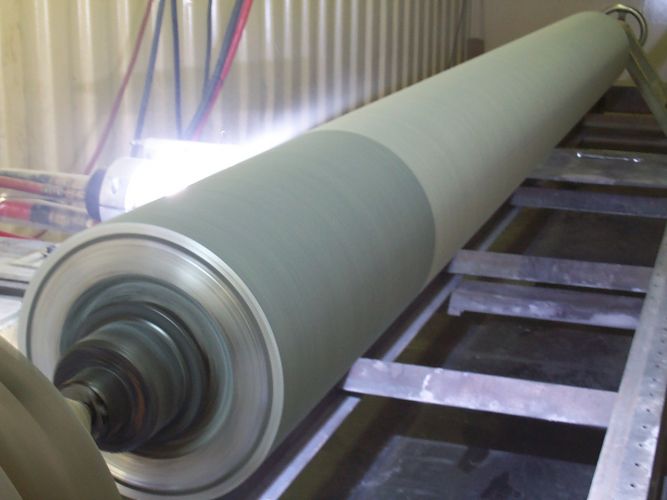
Unexpected downtime isn’t just frustrating; it eats into your bottom line. Let’s quantify the financial impact and see how it affects maintenance.

Quantifying Production Losses

Every minute of downtime costs money. When your line stops, productivity plummets. This loss can range from a few hundred to thousands of dollars per hour, depending on your operation’s scale.

Imagine the clock ticking as your line sits idle. Each second piles on costs, from lost production to missed deadlines. Understanding these losses highlights the importance of investing in reliable rollers.

Impact on Maintenance and Repairs

Frequent breakdowns mean more maintenance. This not only increases labor costs but also strains your budget with constant part replacements. Investing in durable rollers reduces these demands.

Visualize a maintenance team scrambling to fix a broken roller. The hours spent repairing could be used elsewhere. Choosing high-quality rollers minimizes this disruption and keeps your team focused on proactive tasks.

Benefits of Custom Rollers
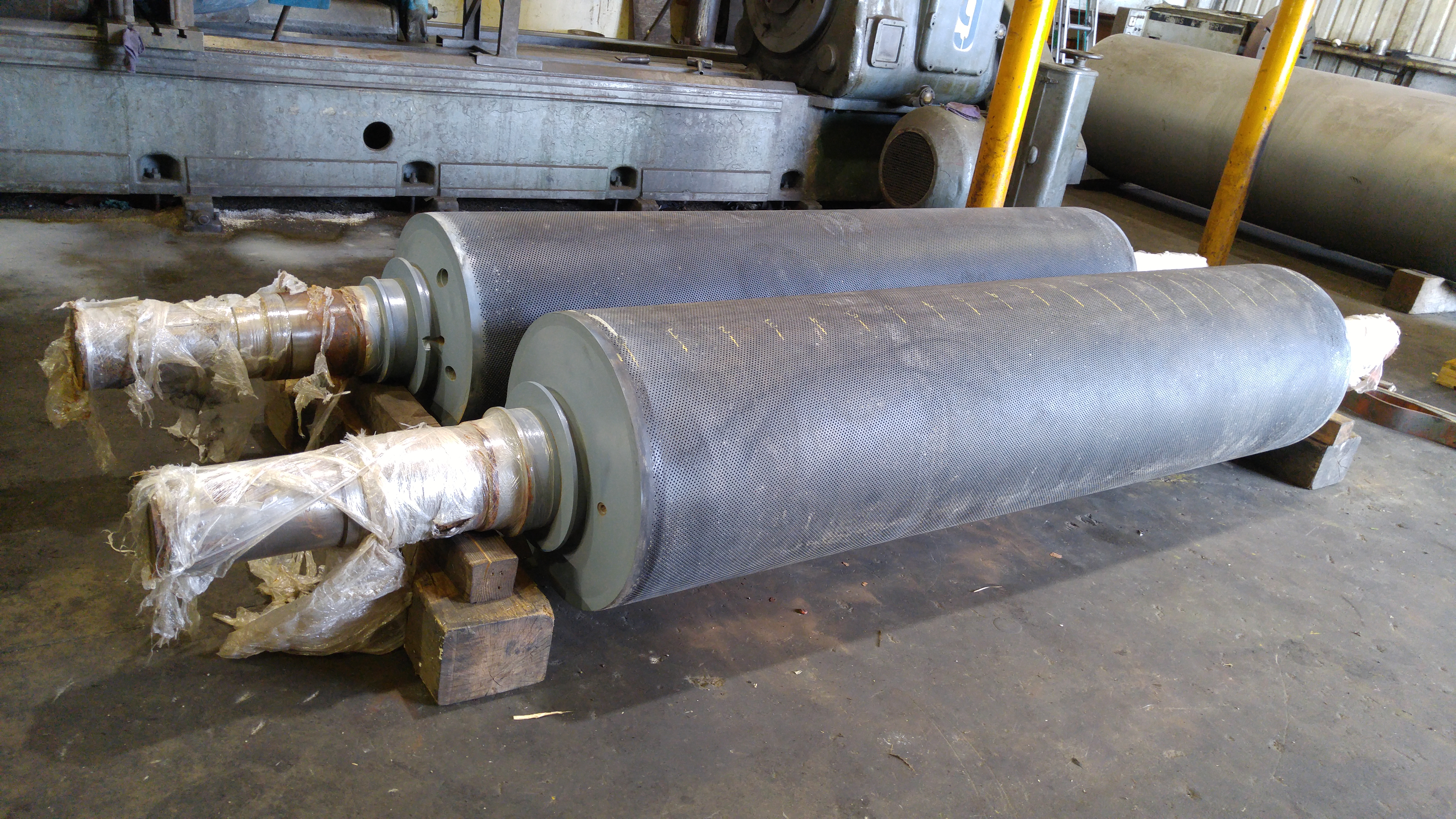
Custom rollers aren’t just about function; they’re about optimizing your entire operation. Let’s explore the advantages they bring.

HVOF Coating and Dynamic Balancing

Using HVOF coatings provides a strong protective layer against wear and heat, extending roller life. Dynamic balancing ensures smooth rotation, reducing wear on journals and bearings.

Consider a custom roller with these features. It runs smoothly and lasts longer, cutting down on replacements. This is how you achieve downtime reduction and boost your operation’s efficiency.

Precision Grinding and Concentricity Control

Precision grinding creates a perfectly round surface, ensuring even material distribution. Concentricity control eliminates irregularities, improving performance and reducing waste.

Picture a roller with precision grinding. It delivers consistent results, enhancing product quality and minimizing defects. This is the power of concentricity and high-quality craftsmanship in action.

Chemical Resistant and High Temperature Options

Custom rollers can be tailored for specific environments. Chemical-resistant coatings protect against harsh chemicals, while high-temperature options handle extreme heat.

Imagine a roller enduring a chemical bath without damage. These specialized features prevent premature wear and extend service life, proving that investing in the right materials pays off.

By choosing Thistle Roller Co., you’re investing in quality, reliability, and longevity for your operations. Our custom-engineered solutions ensure that you stay ahead, keeping your lines running smoothly and efficiently.

Learn how precision rollers solve your toughest manufacturing challenges.
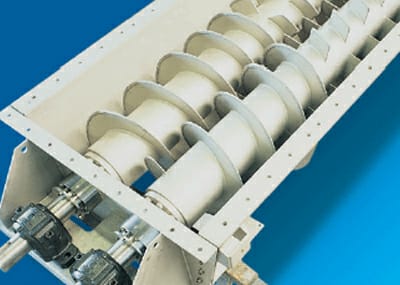
Roller Tracking Problems: Causes, Diagnostics, and Proven Fixes

Roller Tracking Problems: Causes, Diagnostics, and Proven Fixes

Roller tracking problems waste time and damage valuable material. Misalignment, roller crown wear, and uneven nip pressure cause wrinkles, edge damage, and coil wander that disrupt your web handling process. You’ll learn quick diagnostic steps and proven fixes to stop tracking drift and keep your line running smoothly. Partner with Thistle Roller Co. for expert roller reconditioning, custom-engineered solutions, and on-site support that cut downtime and waste. For more information, visit this source.

Understanding Roller Tracking Problems

Roller tracking issues can bring production to a halt, but understanding the common causes helps you address them effectively.

Common Causes of Misalignment

Misalignment occurs when rollers are not parallel, leading to tracking drift. You might notice this when your web material shifts unexpectedly. A common cause is improper installation. If a drive roller isn’t installed correctly, it can lead to misalignment. Bearing housing wear is another culprit, causing rollers to shift out of place over time. Keep an eye on journal repair needs to maintain alignment. Regular checks on these components can prevent significant issues.

Diagnosing Tracking Drift and Skew

Tracking drift can be subtle at first but becomes obvious when wrinkles in the web appear. Start by assessing the idler rollers. If they show skew, it might be time to adjust or replace them. Tension control plays a role too. Insufficient tension allows movement that causes drift. Monitoring nip pressure ensures consistent tension across the web. Addressing these areas early on can save you time and material.

Identifying Signs of Edge Damage

Edge damage is a clear sign of roller issues. Look for telescoping rolls or coil wander. These indicate uneven wear or pressure. Check the roller crown for wear. If it’s compromised, your web handling suffers. Routine inspections help catch these issues before they escalate. Addressing edge damage quickly prevents costly material loss and extended downtime.

Effective Diagnostic Steps

Knowing how to find the root of the problem is vital. These steps will guide you through diagnosing roller tracking issues accurately.

Utilizing Laser Alignment for Precision

Precision is key in diagnosing roller problems. Laser alignment offers an accurate way to ensure all rollers are aligned properly. It’s a simple tool that can pinpoint parallelism issues quickly. Most people think manual checks suffice, but lasers provide unmatched accuracy. Integrating this technology into your routine checks can prevent misalignment from derailing your operations.

Assessing Nip Pressure and Tension Control

Understanding your nip pressure is crucial. Uneven pressure leads to edge damage and tracking drift. Use sensors to monitor pressure levels consistently. Tension control is another piece of the puzzle. Without proper tension, the web can slip or move unpredictably. Regularly calibrate your tension control systems to maintain stable web handling. These proactive measures can significantly reduce downtime.

Evaluating Roller Crown and Concentricity

A worn roller crown affects web stability. Regularly check your rollers for concentricity to prevent this. If the crown is uneven, it can cause skew and drift. Runout or TIR checks help identify crown issues early. Addressing these problems with precision machining or replacement prevents ongoing issues. Investing in quality rollers ensures longer service life and fewer disruptions.

Proven Fixes and Preventive Measures

Addressing roller problems proactively can save resources and time. Implement these proven measures to keep your operations running smoothly.

Corrective Actions for Roller Reconditioning

Reconditioning offers a second life to your rollers. Roller reconditioning involves restoring rollers to their optimal condition. This process includes journal repair and bearing housing adjustments. Using tungsten carbide coating extends the roller’s life, protecting against wear. These actions reduce the need for frequent replacements, cutting down on costs and downtime.

Importance of Dynamic Balancing and HVOF Coating

Dynamic balancing ensures smooth operation. An unbalanced roller can lead to vibration and noise, affecting production quality. HVOF coating enhances roller durability. It offers a hard surface that withstands wear better than traditional coatings. Many assume all coatings are the same, but HVOF stands out for its resilience. These upgrades are investments in long-term efficiency.

Reducing Downtime with Preventive Maintenance Strategies

Preventive maintenance is your best ally in avoiding downtime. Regular checks on roller crown and concentricity catch issues early. Implement a core exchange program to streamline roller replacement. This strategy reduces lead times and keeps your line moving. Integrating laser alignment as a routine check helps maintain precision. The longer you wait to act, the more disruptive the problems become. Consistent maintenance ensures stable web handling and maximizes production output.

Thistle Roller Co. stands ready to support your operations with expert reconditioning and alignment services, ensuring your production line remains efficient and reliable.

Learn how precision rollers solve your toughest manufacturing challenges.