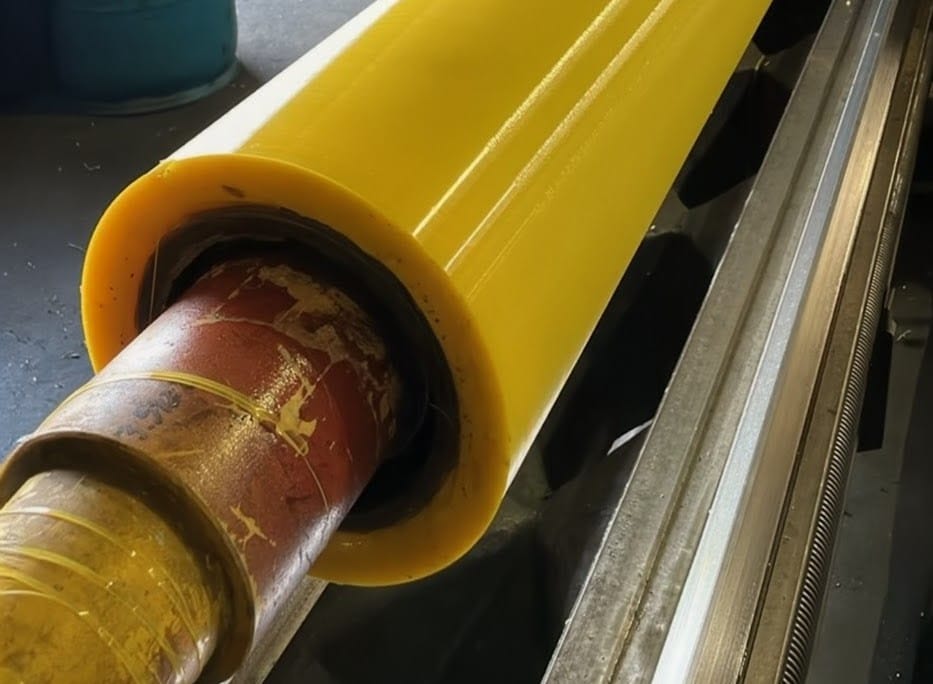
Spot Roller Wear Early: Stop Unplanned Downtime Before It Starts
Roller wear doesn’t announce itself before causing unplanned downtime. You know the cost when your production line grinds to a halt because a roller failed without warning. Spotting early signs like TIR, surface finish issues, or bearing failure can keep your line moving and your schedule intact. Use this checklist to catch roller wear before it stops your operation—and see how Thistle Roller Co. supports you with inspections, reconditioning, and custom replacements.
Detecting Roller Wear Early
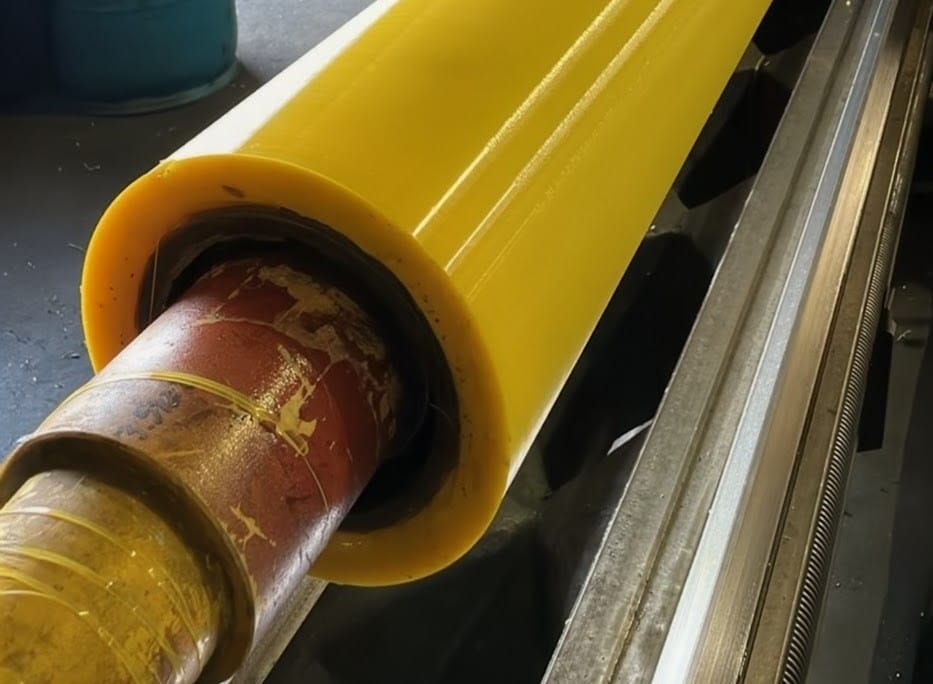
Keeping your production line running smoothly hinges on spotting roller wear early. Let’s break down the signs to watch for, ensuring you catch issues before they escalate.
Common Surface Defects
Surface defects are the first red flags. You might notice scratches or indentations. These are more than cosmetic; they signal damage that can worsen over time. Regular inspections help you catch these early. Use a flashlight at different angles to spot imperfections. If left unchecked, they can lead to more significant issues, affecting your product quality and causing unplanned downtime.
Surface defects often result from material buildup or improper handling. Keeping rollers clean and handling with care is essential. If your production involves materials like film or foil, these defects can snag and tear products. You don’t want unexpected surprises slowing you down. Consistent monitoring is key.
Diameter Loss and TIR
Diameter loss and TIR (Total Indicator Runout) are silent threats. They sneak up on you, slowly affecting roller performance without immediate signs. Inaccuracies in diameter can lead to misalignment, affecting product consistency. Regular measurements are crucial. Use calipers to check diameter and dial indicators for TIR. A misaligned roller can disrupt the entire production line.
TIR indicates how much a roller deviates from a true circle as it rotates. Excessive TIR can cause vibrations and uneven pressure distribution. This impacts both product quality and machine health. Regular checks can save you from these headaches. Learn more about predictive maintenance to stay ahead of the curve.
Hardness Drift and Coating Breakdown
Hardness drift signals changes in roller material, affecting its performance. Regular hardness testing ensures your rollers maintain optimal function. Changes can lead to faster wear or reduced efficiency. Coating breakdown is another concern, as exposed rollers are vulnerable to damage.
Coatings protect rollers from harsh environments. Once compromised, the roller is at risk of scratching or chemical damage. Regularly inspect coatings for cracks or peeling. Address issues promptly to avoid costly repairs down the line.
Key Inspection Techniques
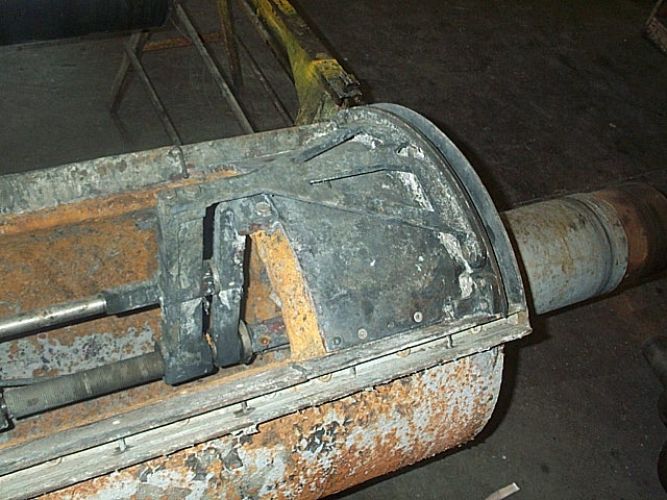
Accurate inspections prevent small issues from escalating. Let’s explore techniques to ensure your rollers stay in peak condition.
Bearing and Seal Issues
Bearings and seals are vital for smooth operation. Signs of wear include noise or leaks. Check for these regularly. Listen for unusual sounds and inspect seals for oil residue. A failing bearing can cause excessive friction, leading to overheating.
Seals keep contaminants out. If damaged, dirt and moisture can enter, causing premature wear. Regular checks prevent these issues. Replace worn seals promptly to maintain roller health.
Surface Finish and Concentricity
A roller’s surface finish affects how materials move. Irregular finishes can cause materials to stick or slide erratically. Inspect surfaces regularly to ensure they’re smooth. Use a roughness tester for precise measurements.
Concentricity, the alignment of the roller’s axis, is equally critical. Misalignment affects balance, causing wobbling. This impacts product quality and machine longevity. Regular checks with alignment tools can prevent these problems. Explore these maintenance tips for smoother operations.
Vibration Analysis and Dynamic Balancing
Vibration analysis identifies imbalances early. A balanced roller runs smoothly, reducing wear on other components. Use vibration sensors to monitor performance. Sudden increases in vibration indicate potential issues.
Dynamic balancing corrects imbalances before they cause damage. It ensures even weight distribution, prolonging roller life. Regular balancing checks can prevent performance drops and costly downtime.
Proactive Maintenance Strategies
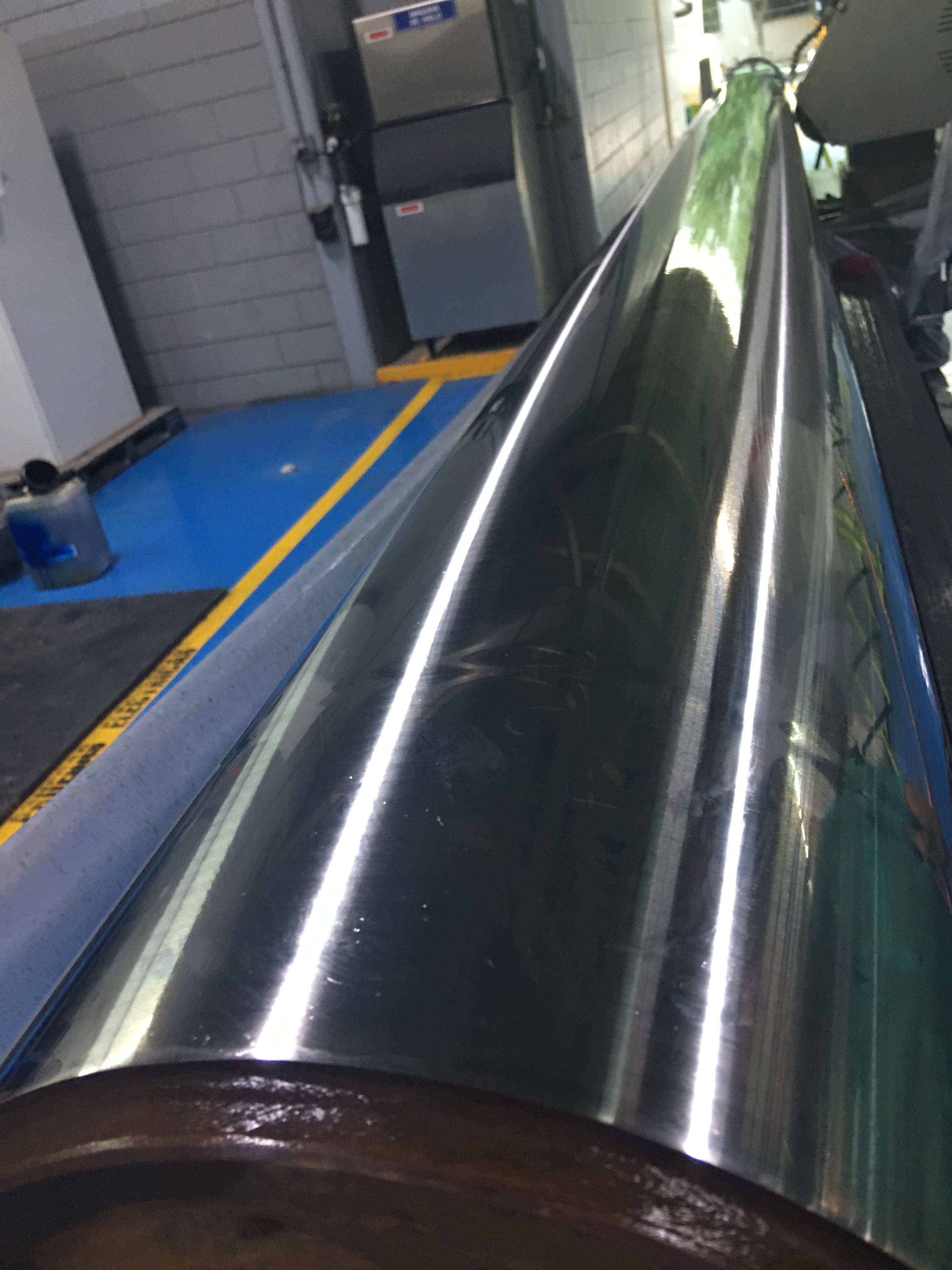
Proactive maintenance is your best defense against roller wear. Let’s delve into strategies that keep your rollers in top shape.
Roller Reconditioning and Grinding
Reconditioning restores roller efficiency. It involves grinding surfaces to remove defects and restore original profiles. This process can extend roller life significantly. Regular reconditioning prevents minor defects from escalating into major issues.
Grinding addresses diameter changes and wear. By keeping rollers within specification, you maintain consistent product quality. Regular reconditioning schedules can save you time and money.
Core Exchange and On-Site Coating
Core exchange programs reduce downtime. Swap worn cores for reconditioned ones, keeping your line moving. This strategy minimizes disruptions and extends roller life. It’s a smart move for high-demand operations.
On-site coating applications protect rollers from environmental damage. Coatings reduce wear and enhance performance. Regular coating maintenance ensures long-term protection. Consider these options to keep your rollers running smoothly.
MRO Support and OEM Replacement Rollers
Partnering with trusted MRO (Maintenance, Repair, and Operations) providers ensures access to replacement parts when needed. OEM replacement rollers guarantee compatibility and performance. They reduce the risk of unforeseen failures.
Having a reliable partner for replacements and support is invaluable. It ensures your operations remain smooth and efficient. Explore ways to reduce downtime and enhance production reliability. By implementing these strategies, you safeguard your operations against unexpected disruptions.
Learn how precision rollers solve your toughest manufacturing challenges.