Thistle Roller Co.

Repair or Replace? A Practical Framework for Industrial Rollers

You face a tough call every time a roller shows wear: repair it or replace it? Choosing wrong can cost you hours of downtime and thousands in unexpected expenses. This guide breaks down industrial roller repair versus roller replacement with clear, cost-focused criteria. You’ll learn how to protect your production line and when to call on expert services like HVOF coating or shaft journal repair. Keep reading to take control of your roller decisions with confidence. For more information on garage door roller replacement signs, visit this link.

Repair vs. Replacement Decision
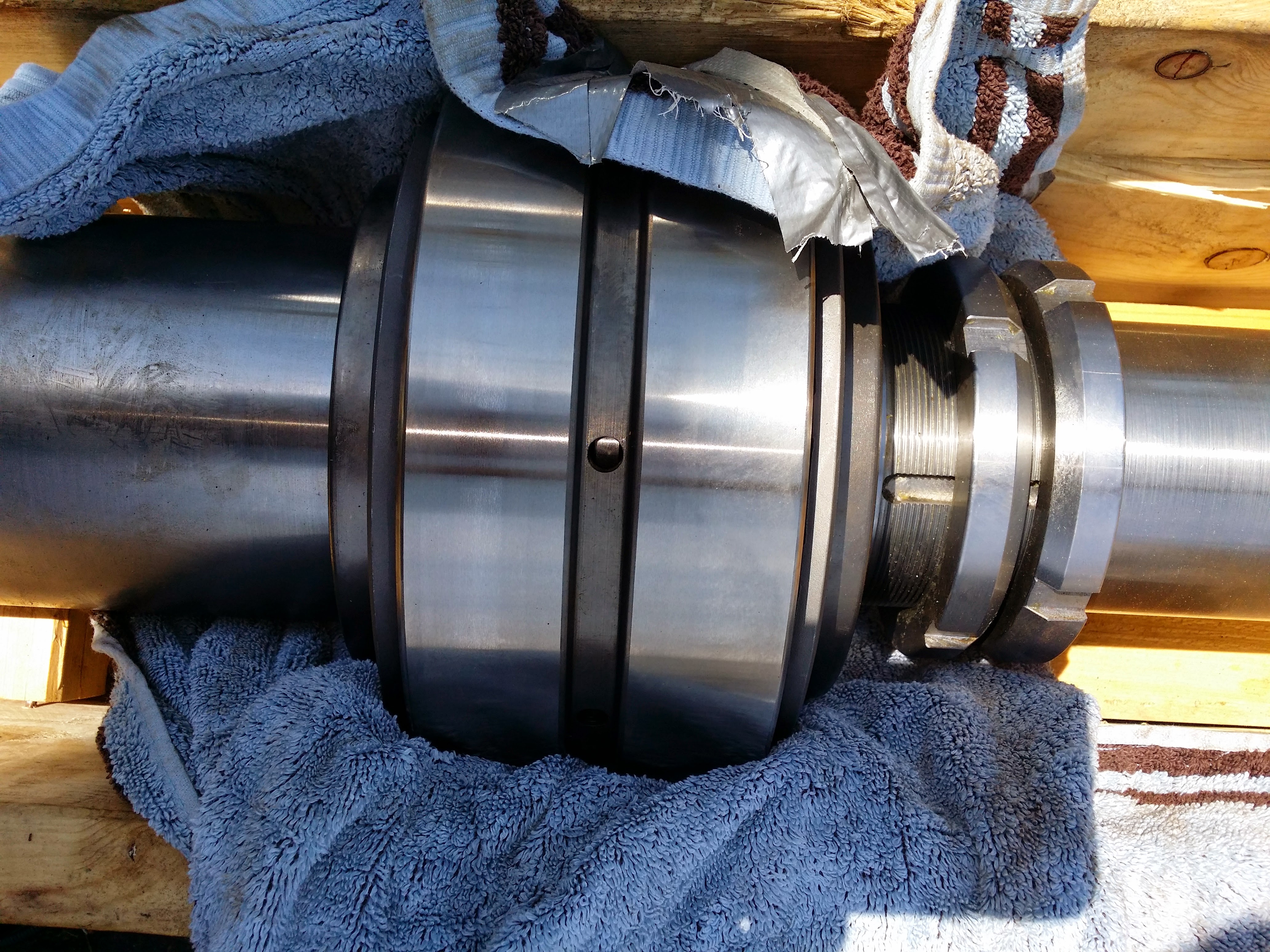
Deciding whether to repair or replace a roller depends on several factors. Let’s explore the cost, downtime, and performance aspects that guide your decision.

Cost Factors in Roller Maintenance

The cost of maintaining rollers can quickly add up. Repairing a roller might seem cheaper at first, but what about long-term expenses? When you choose repair, you save on immediate costs, but if the roller wears out faster, those savings might vanish. Replacement, while initially costly, often leads to savings down the road due to longer service life and fewer maintenance needs. Consider these points:

  • Repair Costs: Lower upfront, but potentially frequent.

  • Replacement Costs: Higher initially, but spread over a longer period.

  • Hidden Costs: Include downtime and potential production delays.

Downtime Risks and Solutions

Downtime is the enemy of productivity. Every minute counts, and roller issues can stop production in its tracks. Repairing a roller might get you back up quickly, but will it last? Replacement might take longer, but could offer a more reliable solution. Evaluate:

  • Production Impact: How much does downtime cost you per hour?

  • Quick Fixes: Temporary solutions can work, but at what risk?

  • Planning Ahead: Consider a backup plan to minimize impacts.

Evaluating Roller Performance

Performance is key in deciding repair or replacement. How well does your current roller meet your needs? If a roller consistently underperforms, it might be time for a change. Think about:

  • Current Performance: Is the roller meeting speed and load requirements?

  • Signs of Wear: Look for uneven wear patterns, noise, or vibration.

  • Technology Upgrades: Newer rollers may offer better performance features.

Repair Solutions for Rollers
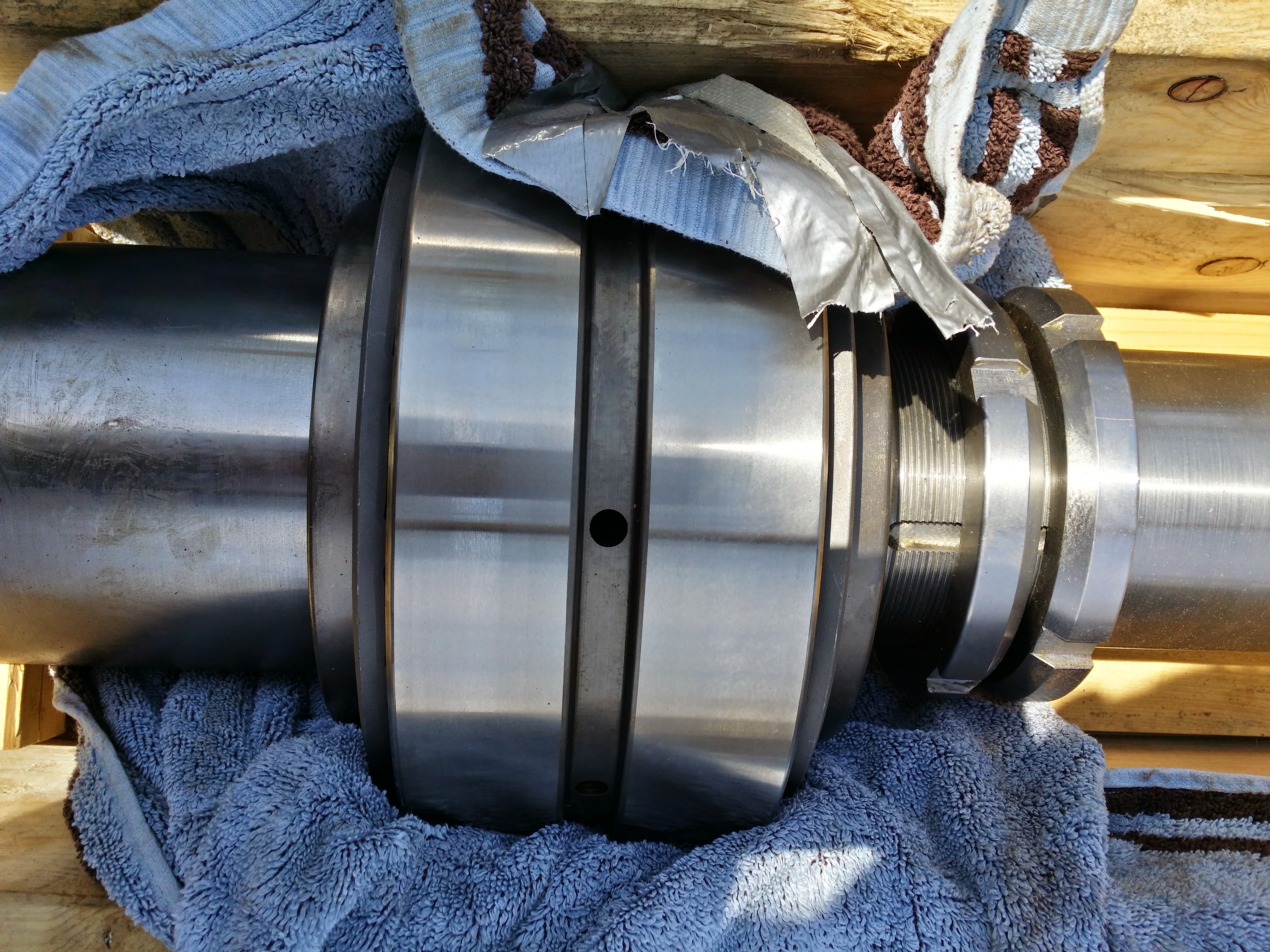
If repairing is your choice, understanding the available solutions can help you make the right call. Explore key repair options for industrial rollers.

Industrial Roller Repair Options

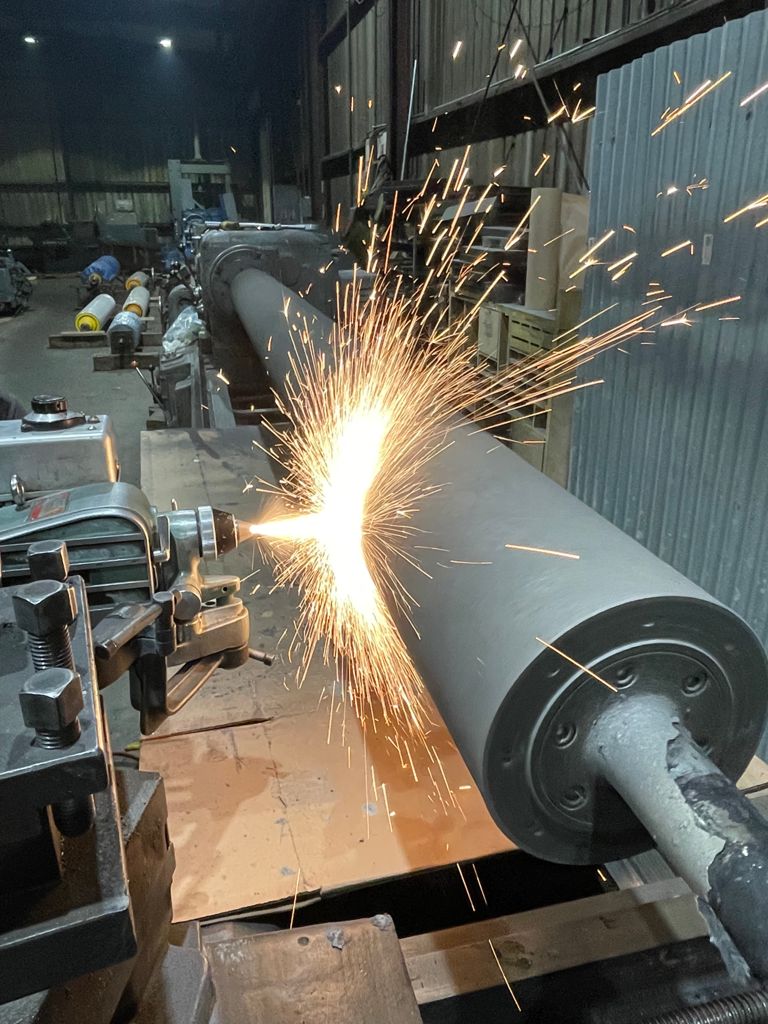
Repair options are varied and can cater to specific needs. Common choices include patching, re-coating, or machining. For example, patching minor surface wear can be a quick fix. Re-coating with materials like HVOF coatings enhances wear resistance. Machining can restore dimensions and improve performance.

  • Patching: Quick, cost-effective; ideal for minor wear.

  • Re-Coating: Enhances durability; use materials like ceramic or polyurethane.

  • Machining: Restores precision and surface finish.

Metal Core and Shaft Journal Repair

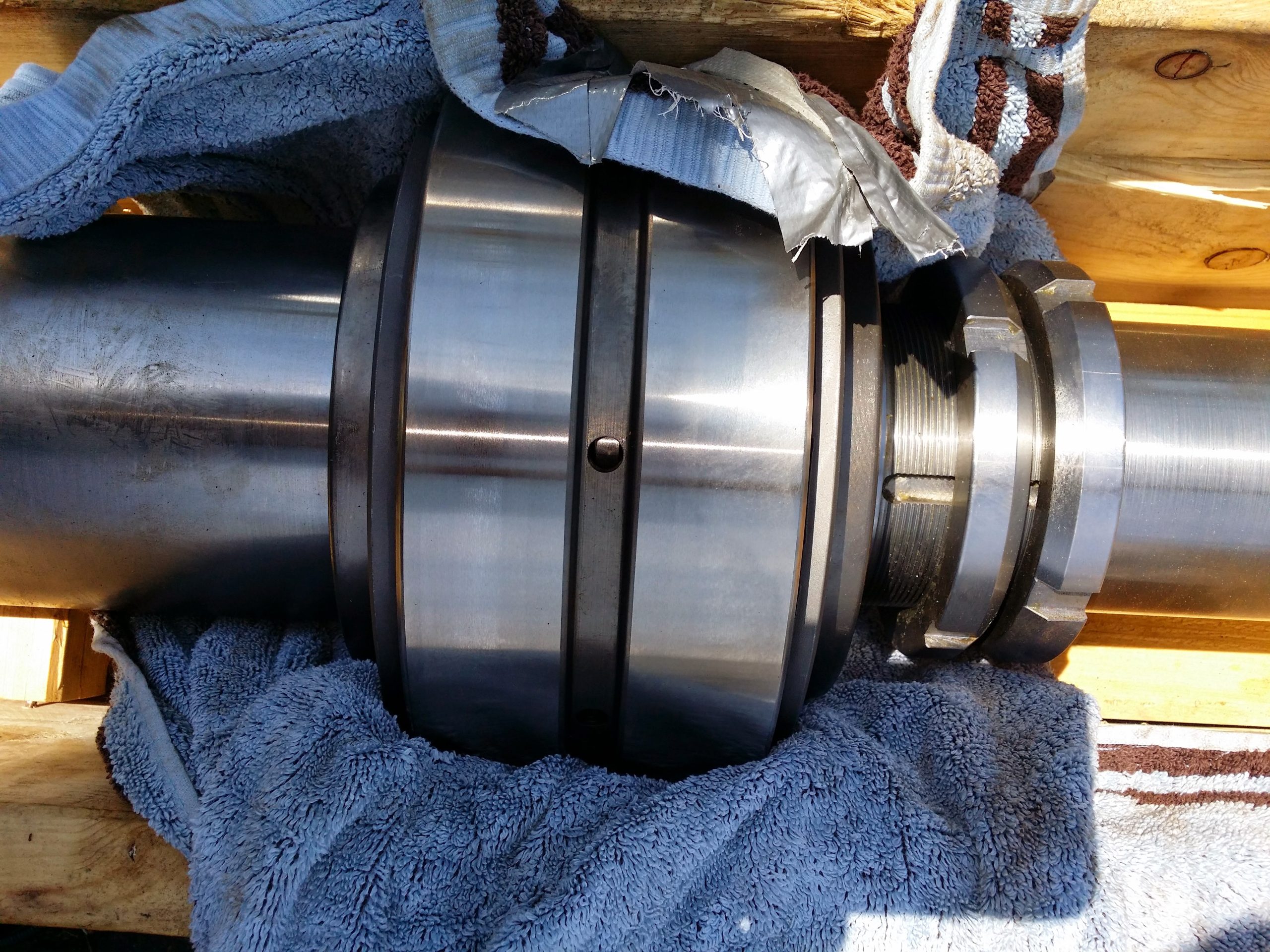
Repairing the metal core and shaft journal is crucial for roller longevity. Core damage often leads to imbalance, causing further wear. Shaft journals can suffer from wear or misalignment, impacting performance. Benefits of repair include:

  • Core Repair: Restores balance, reducing vibration.

  • Journal Repair: Improves alignment, enhancing efficiency.

  • Extended Life: Proper repairs can significantly extend roller lifespan.

Benefits of Roller Reconditioning

Reconditioning involves a thorough restoration process. It includes cleaning, re-coating, and balancing. Benefits include improved performance and reduced future maintenance costs. Reconditioning might be the answer if:

  • Performance Needs: Rollers need to meet specific speed or load requirements.

  • Cost Considerations: Lower than replacement but offers similar benefits.

  • Sustainability Goals: Extends roller life, reducing waste.

Replacement Considerations
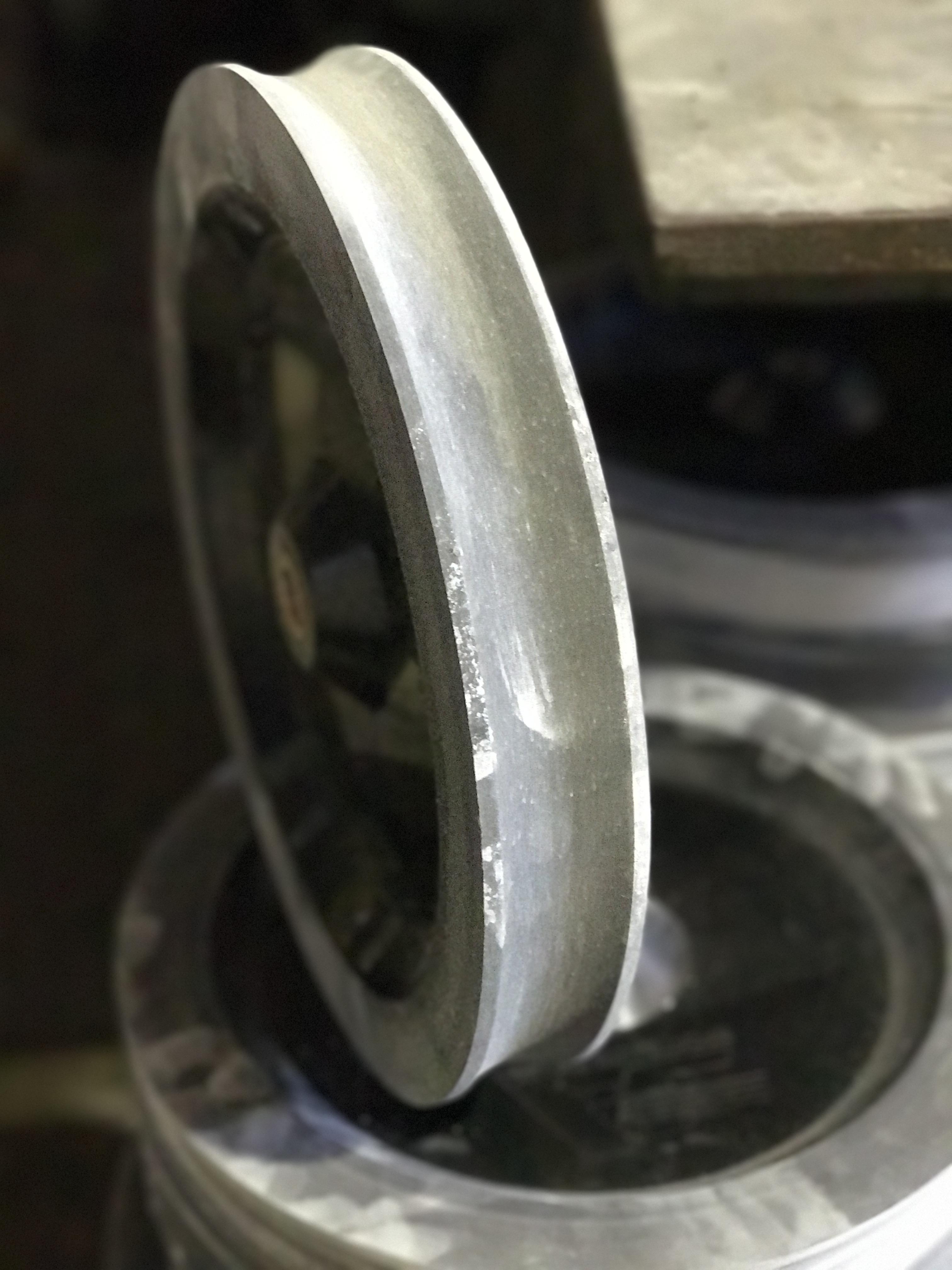
Sometimes, replacement is the best option. Let’s dive into when and why to choose new rollers.

When to Choose OEM Replacement Rollers

OEM replacement rollers are designed to fit perfectly and offer reliable performance. They ensure compatibility and often come with warranties. Consider OEM replacements when:

  • Performance Issues: Current rollers fail to meet requirements.

  • Frequent Repairs: Ongoing issues indicate deeper problems.

  • Warranty Benefits: OEM rollers often come with guarantees.

Selecting the Right Roller Material

Choosing the right material impacts performance and longevity. Options include ceramic, polyurethane, and rubber-covered rollers. Each offers distinct benefits:

  • Ceramic Coated Rollers: High wear resistance, ideal for harsh environments.

  • Polyurethane Roller Covering: Offers excellent grip and flexibility.

  • Rubber Covered Rollers: Provides cushioning and noise reduction.

Understanding Roller Warranty and Lead Time Reduction

Roller warranties and lead times can affect your decision. A good warranty offers peace of mind, while reduced lead times minimize downtime. Choosing the right supplier ensures:

  • Warranty Assurance: Protects against defects and performance issues.

  • Quick Turnaround: Partner with suppliers who offer rapid production.

  • Trustworthy Service: Reliable support for future needs.

In conclusion, whether repairing or replacing, understanding the costs, downtime implications, and performance capabilities of your rollers is crucial. By taking a strategic approach and partnering with experts like Thistle Roller Co., you can maintain seamless operations and minimize disruptions. For more insights on when to replace rollers, check out this article.

Learn how precision rollers solve your toughest manufacturing challenges.
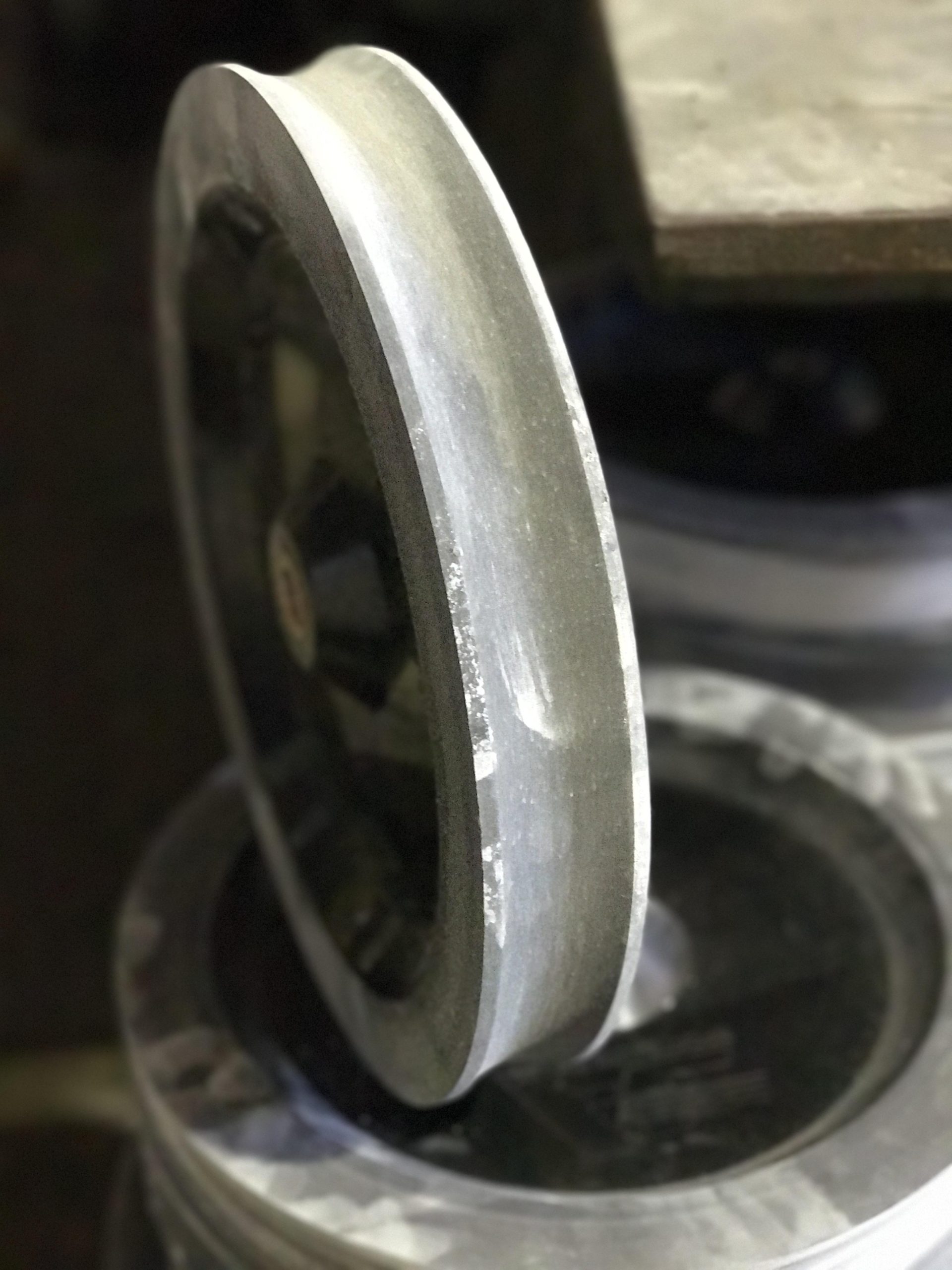
Reconditioning vs. Replacement: How to Make the Right Call for Industrial Rollers

Reconditioning vs. Replacement: How to Make the Right Call for Industrial Rollers

You just lost hours of production waiting on a new roller that may not even fit your specs. Choosing between industrial roller reconditioning and roller replacement isn’t just about cost—it’s about minimizing downtime and keeping your line running smoothly. In this post, you’ll find clear, practical guidance to help your team make the right call fast and avoid costly surprises. For more insights, check out this resource.

Understanding Industrial Roller Decisions

The decision between reconditioning and replacing your industrial rollers impacts both your budget and production line. Let’s explore what factors to consider.

Key Factors in Decision-Making

When deciding on reconditioning vs. replacement, consider the roller’s current condition and your production needs. Start by assessing the wear and tear on your rollers. Look for signs of degradation such as cracks, wear patterns, or diminished performance. These indicators will help you gauge if a reconditioning could extend the roller’s lifespan, or if replacement is necessary.

Next, think about the downtime involved. Reconditioning often takes less time than ordering a new roller, which can aid in minimizing production stops. It’s critical to weigh the impact of potential downtime on your operations. Balancing these elements can guide you to a decision that aligns with your business goals.

Evaluating Technical Requirements

Technical specifications of your rollers play a crucial role in the decision-making process. Evaluate the roller’s material, size, and function in your system. If your current rollers meet these needs, reconditioning might be the way to go. This process can enhance the existing rollers by restoring their original capabilities, such as precision and durability.

It’s also important to assess if your current rollers are keeping up with technological advancements. In some cases, new rollers with updated features might offer better performance and efficiency. Look into whether your operations would benefit from the latest materials or technologies, like HVOF coating for increased wear resistance.

Cost Considerations and Budget Impact

Budget is a key factor in deciding whether to recondition or replace. Reconditioning usually costs less upfront compared to purchasing new rollers. However, new rollers can offer a longer lifespan and potentially lower long-term maintenance costs.

Analyze your budget constraints and forecast the long-term savings and expenses. Remember, the cheapest option isn’t always the best. Consider the value of reliable performance and reduced future maintenance. Each option has its own financial implications, and understanding these can help optimize your investment.

Reconditioning vs. Replacement

Now that you understand the factors involved, let’s delve deeper into the benefits and drawbacks of each option.

Benefits of Reconditioning Rollers

Reconditioning can breathe new life into your existing rollers. This option is often quicker and more cost-effective than replacement. It involves restoring the roller to its original condition or even enhancing its performance.

With reconditioning, your rollers are disassembled, cleaned, and inspected. Any worn parts are repaired or replaced. This process can include grinding and crowning to restore precision. Additionally, reconditioning helps reduce downtime as it typically requires shorter lead times than manufacturing a new roller.

When to Opt for Replacement

Sometimes, replacement is the better choice. If your roller has extensive damage or if reconditioning cannot restore its functionality, then a new roller might be necessary. Replacement is also ideal if your operational requirements have changed. New rollers can offer technological upgrades that enhance performance and meet updated industry standards.

Moreover, consider replacement if the cost of reconditioning approaches the cost of a new roller. It’s also a good time to evaluate if your current rollers are out of sync with technological advancements, such as those offering improved thermal spray coatings for enhanced durability.

Case Studies: Successful Outcomes

Let’s explore some real-world examples. A packaging plant faced frequent downtime due to roller failures. By opting for reconditioning, they reduced downtime by 50% and improved production efficiency.

In another case, an automotive manufacturer opted for replacement with advanced rollers featuring rubber-covered surfaces. This decision minimized maintenance costs and increased the rollers’ lifespan. These examples demonstrate the success of carefully evaluating your options.

Partnering with Thistle Roller Co.

Choosing the right partner is crucial in your reconditioning or replacement journey. Discover how Thistle Roller Co. stands out.

Expert Assessment and Recommendations

Thistle Roller Co. offers expert assessments to determine the best course of action for your operations. Our team evaluates your current rollers’ condition and provides tailored recommendations. We focus on minimizing your lead time and ensuring you have the most reliable solution.

Our expertise in roller failure analysis ensures you receive accurate insights. This allows you to make informed decisions that align with your operational goals. With Thistle Roller Co., you gain a partner committed to your success.

Comprehensive Roller Repair Services

Our repair services cover all aspects of roller maintenance. From dynamic balancing to roller resurfacing, we ensure your rollers are in optimal condition. Our comprehensive services are designed to extend the life of your rollers, saving you time and money in the long run.

We specialize in restoring precision industrial rollers to their peak performance. This includes using advanced technologies such as HVOF coating to enhance durability and performance. With our services, your operations remain uninterrupted and efficient.

Core Exchange and Expedited Options

For those needing quick solutions, our core exchange program offers expedited options. Swap out your worn rollers with ready-to-install replacements. This program reduces your downtime and gets your production line back up swiftly.

Our core exchange program is tailored for OEMs and MROs requiring fast and reliable solutions. The program ensures you always have access to high-quality rollers without the wait. Partnering with us means you never have to compromise on quality or speed.