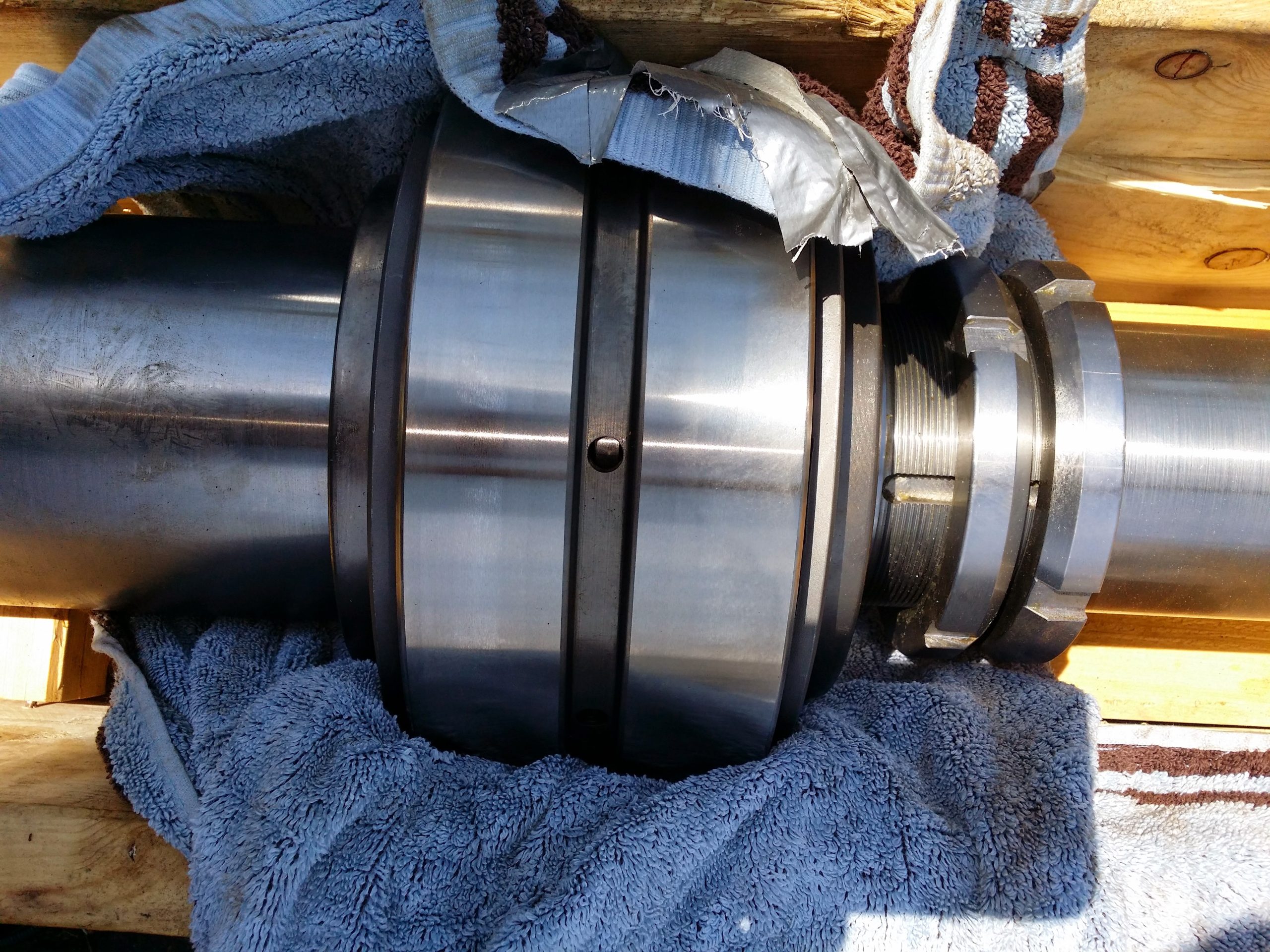
You face a tough call every time a roller shows wear: repair it or replace it? Choosing wrong can cost you hours of downtime and thousands in unexpected expenses. This guide breaks down industrial roller repair versus roller replacement with clear, cost-focused criteria. You’ll learn how to protect your production line and when to call on expert services like HVOF coating or shaft journal repair. Keep reading to take control of your roller decisions with confidence. For more information on garage door roller replacement signs, visit this link.
Repair vs. Replacement Decision
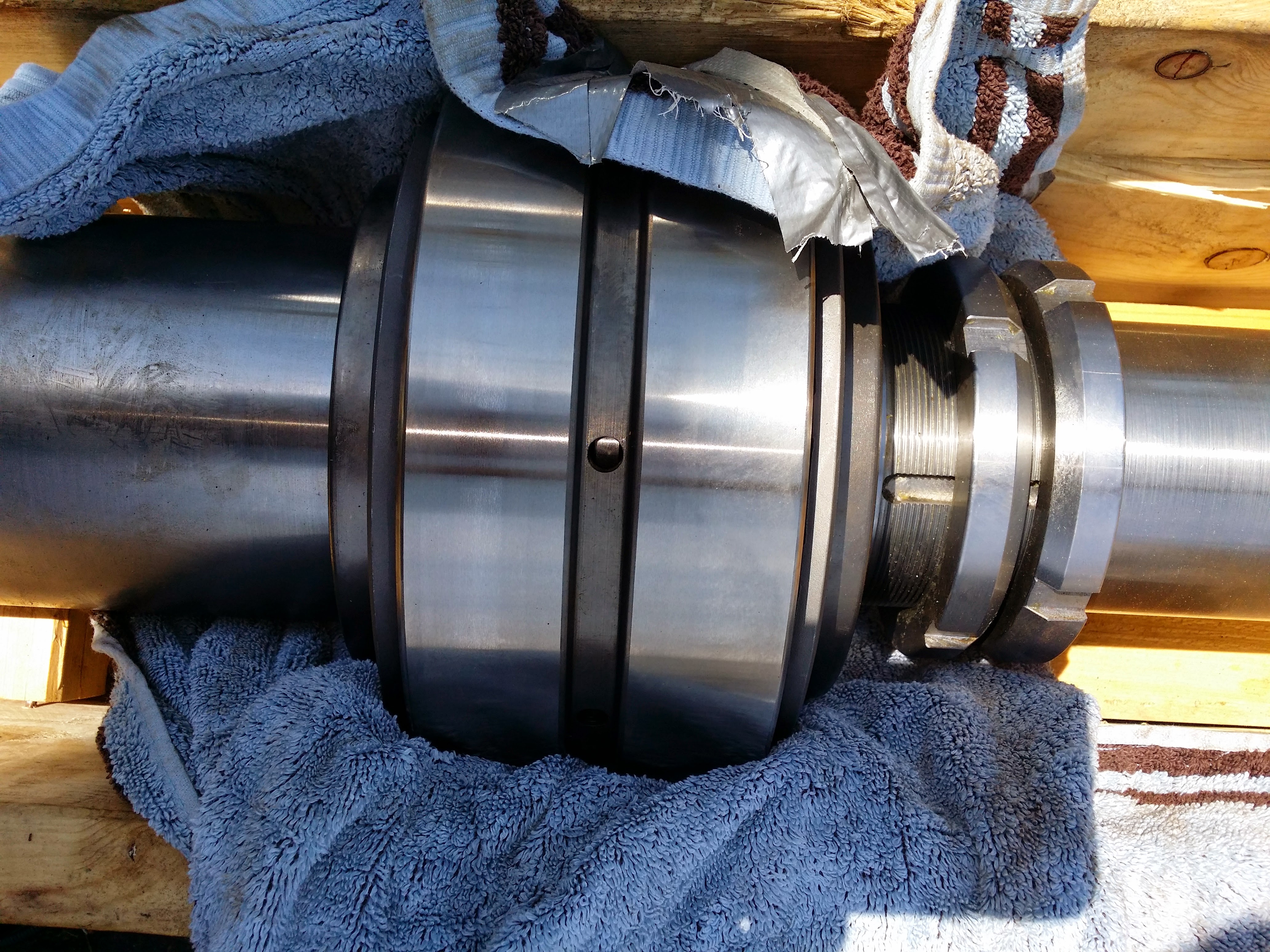
Deciding whether to repair or replace a roller depends on several factors. Let’s explore the cost, downtime, and performance aspects that guide your decision.
Cost Factors in Roller Maintenance
The cost of maintaining rollers can quickly add up. Repairing a roller might seem cheaper at first, but what about long-term expenses? When you choose repair, you save on immediate costs, but if the roller wears out faster, those savings might vanish. Replacement, while initially costly, often leads to savings down the road due to longer service life and fewer maintenance needs. Consider these points:
-
Repair Costs: Lower upfront, but potentially frequent.
-
Replacement Costs: Higher initially, but spread over a longer period.
-
Hidden Costs: Include downtime and potential production delays.
Downtime Risks and Solutions
Downtime is the enemy of productivity. Every minute counts, and roller issues can stop production in its tracks. Repairing a roller might get you back up quickly, but will it last? Replacement might take longer, but could offer a more reliable solution. Evaluate:
-
Production Impact: How much does downtime cost you per hour?
-
Quick Fixes: Temporary solutions can work, but at what risk?
-
Planning Ahead: Consider a backup plan to minimize impacts.
Evaluating Roller Performance
Performance is key in deciding repair or replacement. How well does your current roller meet your needs? If a roller consistently underperforms, it might be time for a change. Think about:
-
Current Performance: Is the roller meeting speed and load requirements?
-
Signs of Wear: Look for uneven wear patterns, noise, or vibration.
-
Technology Upgrades: Newer rollers may offer better performance features.
Repair Solutions for Rollers
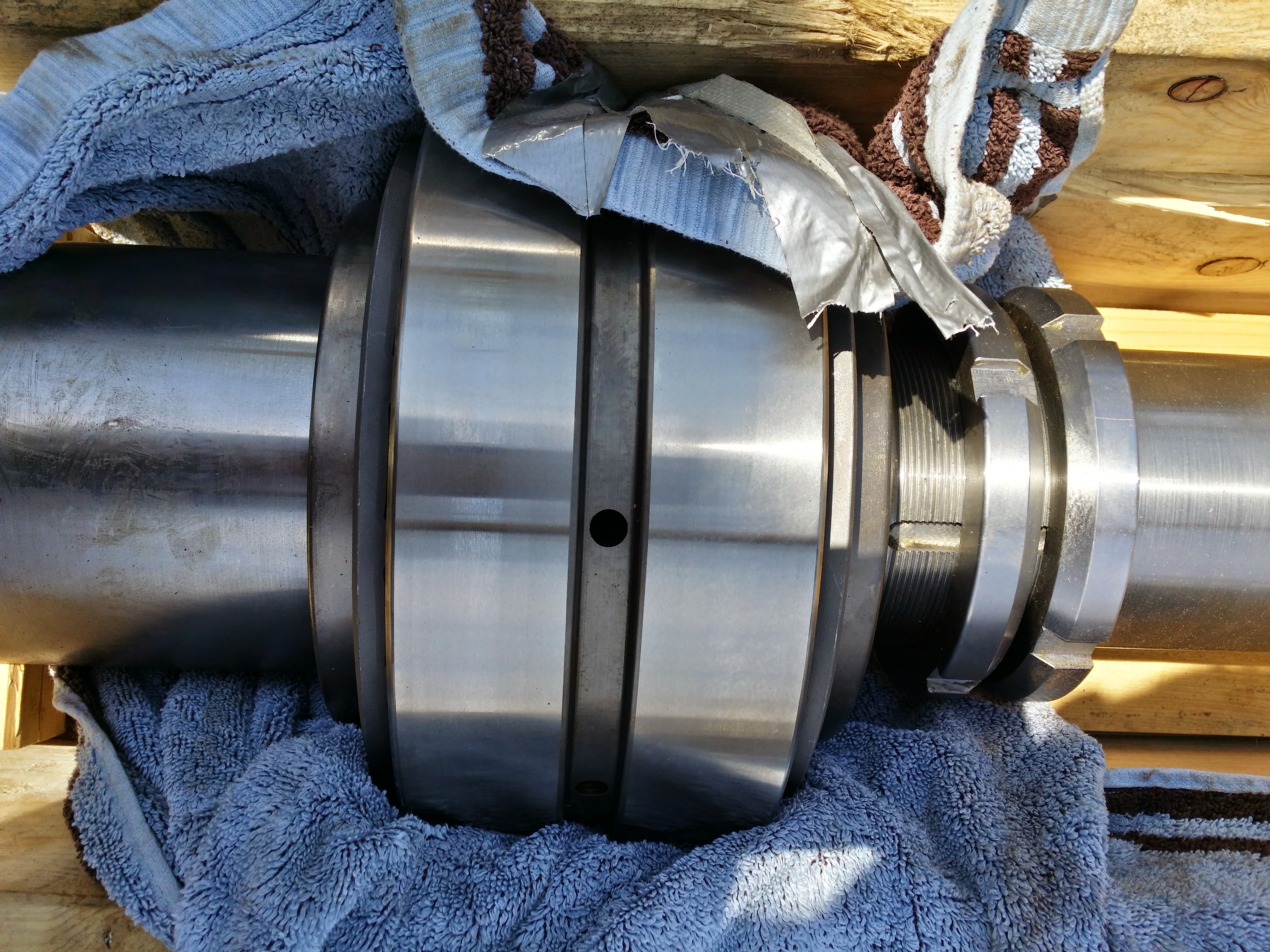
If repairing is your choice, understanding the available solutions can help you make the right call. Explore key repair options for industrial rollers.
Industrial Roller Repair Options
Repair options are varied and can cater to specific needs. Common choices include patching, re-coating, or machining. For example, patching minor surface wear can be a quick fix. Re-coating with materials like HVOF coatings enhances wear resistance. Machining can restore dimensions and improve performance.
-
Patching: Quick, cost-effective; ideal for minor wear.
-
Re-Coating: Enhances durability; use materials like ceramic or polyurethane.
-
Machining: Restores precision and surface finish.
Metal Core and Shaft Journal Repair
Repairing the metal core and shaft journal is crucial for roller longevity. Core damage often leads to imbalance, causing further wear. Shaft journals can suffer from wear or misalignment, impacting performance. Benefits of repair include:
-
Core Repair: Restores balance, reducing vibration.
-
Journal Repair: Improves alignment, enhancing efficiency.
-
Extended Life: Proper repairs can significantly extend roller lifespan.
Benefits of Roller Reconditioning
Reconditioning involves a thorough restoration process. It includes cleaning, re-coating, and balancing. Benefits include improved performance and reduced future maintenance costs. Reconditioning might be the answer if:
-
Performance Needs: Rollers need to meet specific speed or load requirements.
-
Cost Considerations: Lower than replacement but offers similar benefits.
-
Sustainability Goals: Extends roller life, reducing waste.
Replacement Considerations
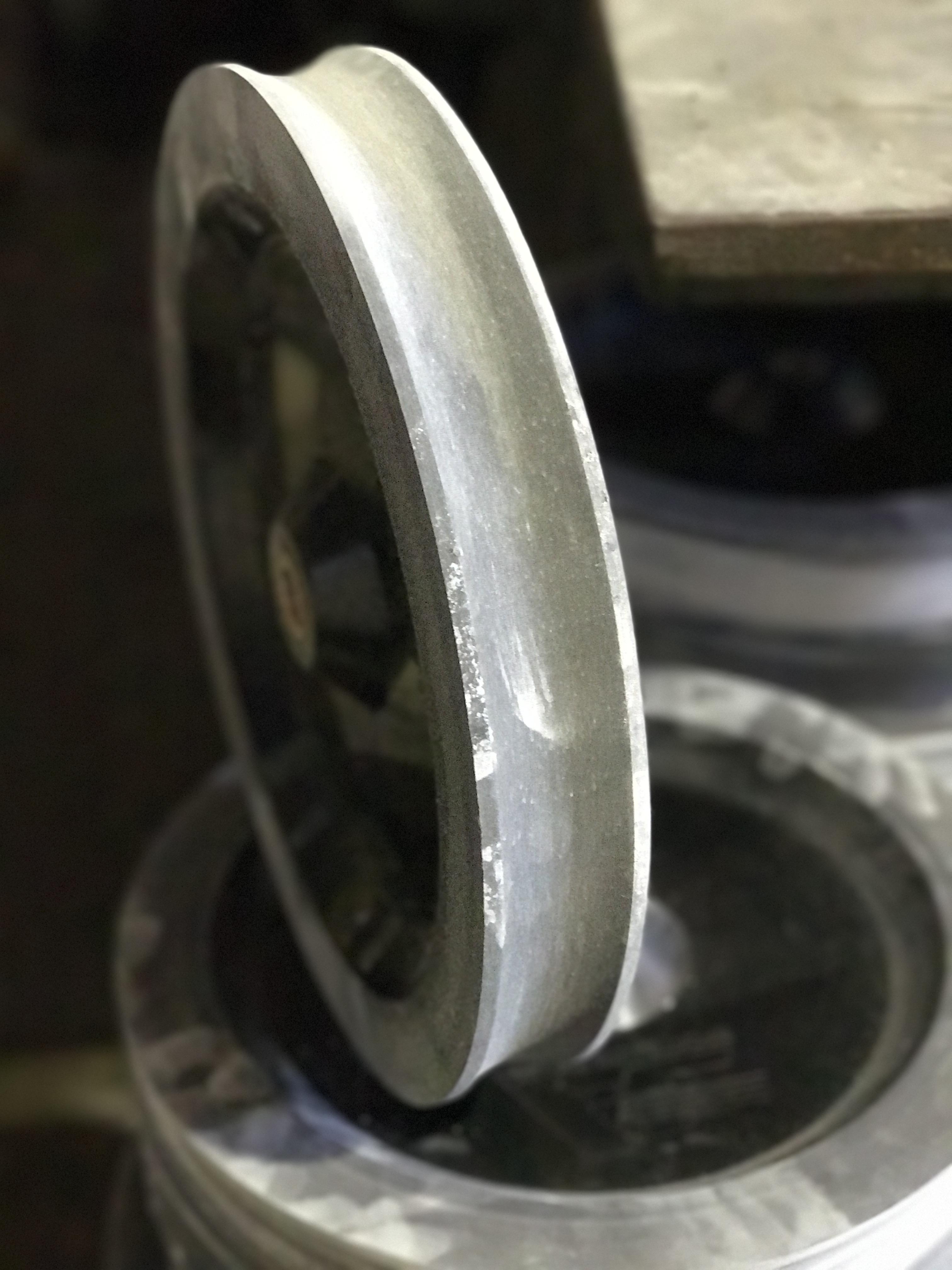
Sometimes, replacement is the best option. Let’s dive into when and why to choose new rollers.
When to Choose OEM Replacement Rollers
OEM replacement rollers are designed to fit perfectly and offer reliable performance. They ensure compatibility and often come with warranties. Consider OEM replacements when:
-
Performance Issues: Current rollers fail to meet requirements.
-
Frequent Repairs: Ongoing issues indicate deeper problems.
-
Warranty Benefits: OEM rollers often come with guarantees.
Selecting the Right Roller Material
Choosing the right material impacts performance and longevity. Options include ceramic, polyurethane, and rubber-covered rollers. Each offers distinct benefits:
-
Ceramic Coated Rollers: High wear resistance, ideal for harsh environments.
-
Polyurethane Roller Covering: Offers excellent grip and flexibility.
-
Rubber Covered Rollers: Provides cushioning and noise reduction.
Understanding Roller Warranty and Lead Time Reduction
Roller warranties and lead times can affect your decision. A good warranty offers peace of mind, while reduced lead times minimize downtime. Choosing the right supplier ensures:
-
Warranty Assurance: Protects against defects and performance issues.
-
Quick Turnaround: Partner with suppliers who offer rapid production.
-
Trustworthy Service: Reliable support for future needs.
In conclusion, whether repairing or replacing, understanding the costs, downtime implications, and performance capabilities of your rollers is crucial. By taking a strategic approach and partnering with experts like Thistle Roller Co., you can maintain seamless operations and minimize disruptions. For more insights on when to replace rollers, check out this article.
Learn how precision rollers solve your toughest manufacturing challenges.