Thistle Roller Co.

Warranty Strength and Service Speed: A Practical Framework to Compare Roller Suppliers

Most roller suppliers promise quality, but few prove it with clear warranty strength and fast service. When downtime costs thousands per hour, vague claims don’t cut it. You need a straightforward way to compare roller supplier warranty coverage, claims performance, and service responsiveness. This framework will help you measure risks and pick a partner who keeps your lines moving without surprises. For more insights on comparing roller suppliers, visit this guide.

Evaluating Roller Supplier Warranty

When selecting a roller supplier, understanding their warranty offerings is crucial. This insight helps in minimizing risks and ensuring continuous operations.

Key Warranty Coverage Aspects

You need a warranty that covers the essentials. Look for comprehensive coverage that includes manufacturing defects and material failures. A strong warranty should provide a safety net, ensuring replacements or repairs without extra costs.

Consider the warranty differences between product and extended warranties. Some suppliers offer limited coverage, which might not protect against all potential issues. Instead, choose a supplier who provides extensive protection, ensuring peace of mind.

Assessing Warranty Claim Rate

The claim rate indicates a supplier’s product quality and reliability. A low claim rate suggests that the rollers are durable and meet industry standards. On the other hand, a high claim rate could mean frequent issues, translating to potential downtime for your operations.

When evaluating suppliers, ask for their average claim rate. Suppliers with transparent data often have nothing to hide. This openness also reflects their confidence in their product quality.

Understanding Warranty Turnaround Time

A quick warranty turnaround time minimizes downtime. Look for suppliers that guarantee swift processing of claims. The faster the resolution, the quicker your operations can resume.

Evaluate suppliers based on their average turnaround time for warranty claims. A company with efficient processes will likely have a shorter response time, ensuring your business continuity is uninterrupted.

Measuring Service Responsiveness
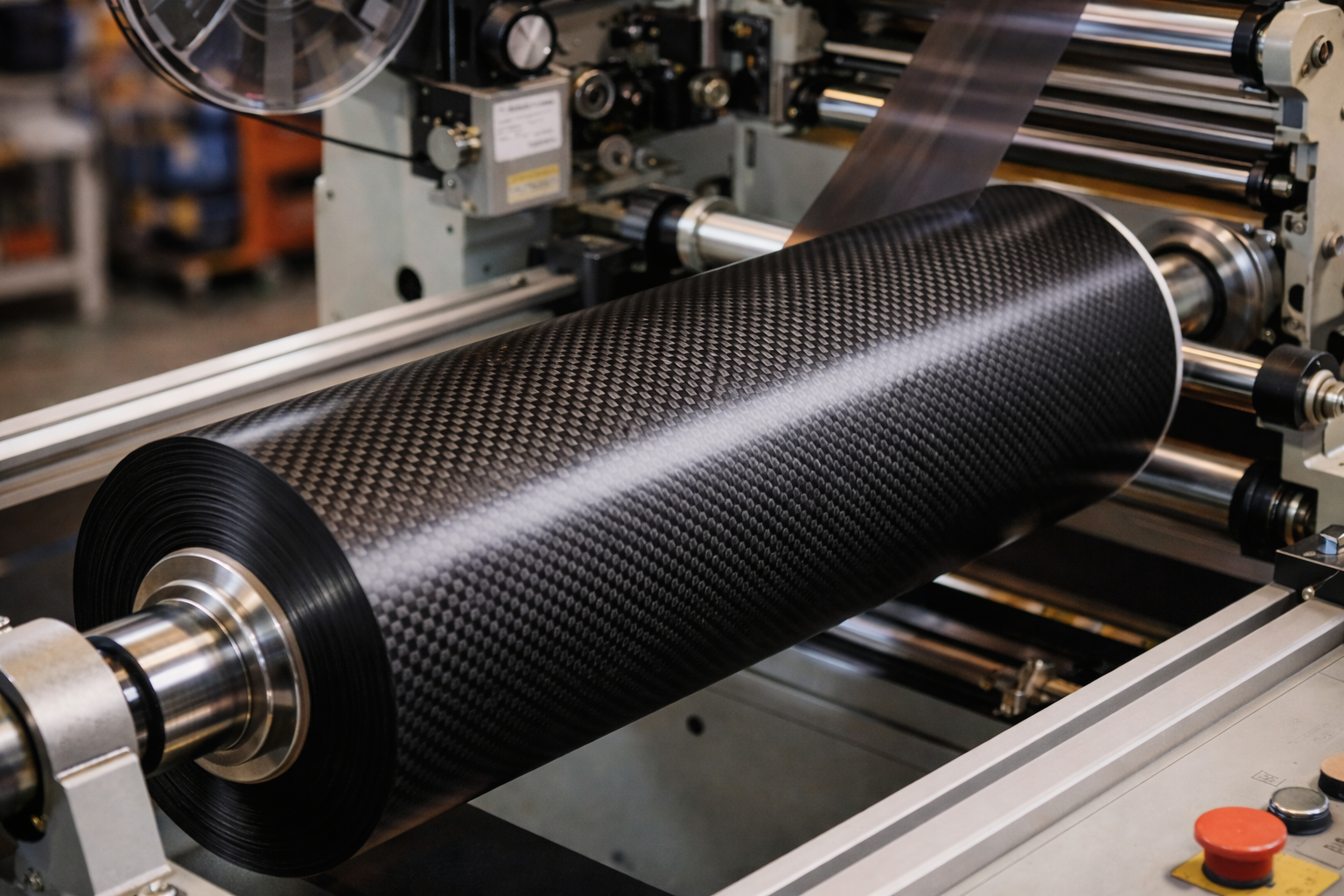
Service responsiveness plays a vital role in maintaining smooth operations. A responsive supplier addresses issues promptly, reducing potential delays.

Service Responsiveness Metric Explained

This metric evaluates how quickly and effectively a supplier responds to service requests. It involves measuring response times and resolution efficiency. A supplier with a high score in this area is typically more reliable.

To assess this, consider their history of dealing with service requests. Past customer experiences can provide valuable insights into a supplier’s responsiveness and reliability.

Analyzing Mean Time to Repair

Mean time to repair (MTTR) is crucial in understanding repair efficiency. The MTTR reflects the average time taken to fix an issue once reported. A lower MTTR indicates a more efficient supplier, capable of resolving problems swiftly.

When choosing a supplier, ask about their MTTR statistics. Consistently low MTTR values demonstrate a commitment to maintaining high operational standards, minimizing downtime for your business.

SLA for Roller Repair Considerations

Service Level Agreements (SLAs) outline the expected quality of service, including repair timelines. A well-defined SLA ensures that the supplier is committed to meeting your service expectations.

Review the SLAs offered by potential suppliers. A robust SLA should clearly state repair timeframes and any penalties for non-compliance. This agreement serves as a contract to hold suppliers accountable for their service commitments.

Practical Comparison Framework
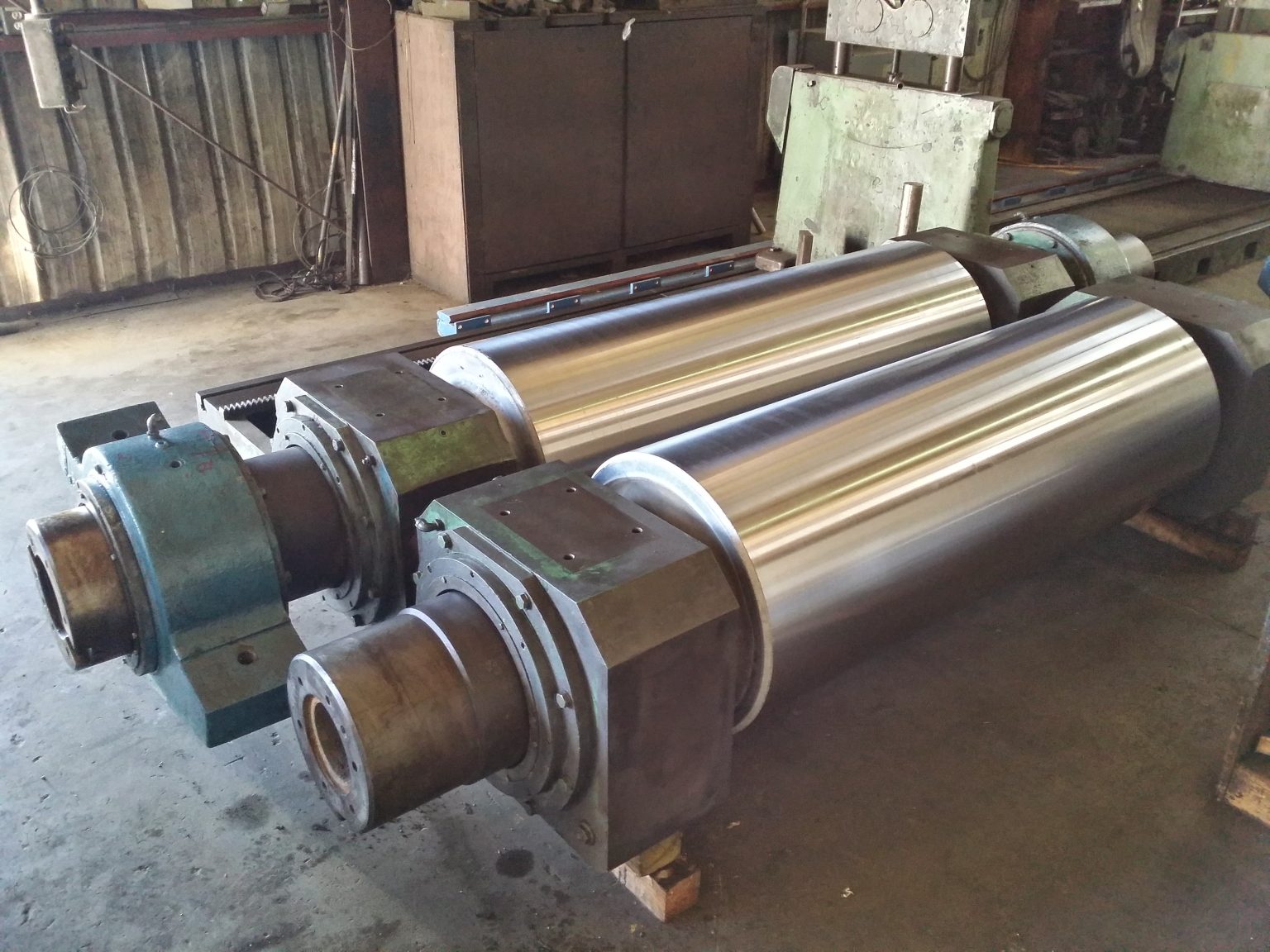
Creating a practical framework helps in comparing suppliers effectively, ensuring you choose the best partner.

Lead Time for Rollers Assessment

Assessing lead time is essential for planning and avoiding delays. A shorter lead time means faster delivery, allowing you to keep operations running smoothly.

Ask suppliers about their standard lead times and any factors that might influence delays. Consistently short lead times often indicate efficient production processes and reliable supply chains.

Importance of On-Time Delivery Performance

On-time delivery is a measure of a supplier’s reliability. Consistent on-time delivery ensures that your production schedules remain uninterrupted and your operations flow seamlessly.

Inquire about the supplier’s delivery performance history. A strong track record of on-time deliveries indicates dependable logistics and a commitment to customer satisfaction.

Evaluating Core Exchange Programs

Core exchange programs can reduce costs and downtime. These programs allow you to exchange worn rollers for reconditioned ones quickly, keeping your equipment operational.

When evaluating suppliers, consider the availability and terms of their core exchange programs. Suppliers offering flexible and efficient programs demonstrate a commitment to minimizing your operational disruptions.

In conclusion, selecting the right roller supplier involves evaluating warranty coverage, service responsiveness, and delivery performance. By focusing on these areas, you can choose a partner like Thistle Roller Co., known for reliability and quality, ensuring your production lines keep rolling smoothly.

Join us in celebrating how our warranty supports your peace of mind and production uptime.
Industrial Roller Failure Modes and How Custom Engineering Prevents Them

Industrial roller failure modes cost you more than just replacement parts—they halt your entire production line. Misalignment, shaft deflection, and roller wear often repeat without the right engineering controls. Thistle Roller Co. applies custom coatings, precise dynamic balancing, and rigorous quality checks that prevent these costly setbacks. Keep reading to learn how tailored design choices protect your rollers and reduce downtime. For more insights, visit this article.

Common Roller Failure Modes

Understanding the causes of roller failures can help you prevent them. Let’s dive into common failure modes that disrupt production and explore how you can tackle them effectively.

Understanding Roller Wear

Roller wear is a frequent issue that affects performance. It results in a rough surface, leading to inefficient operation. Abrasion resistance rollers are crucial here. They can reduce wear significantly.

To address wear, consider the materials used. Rollers made with ceramic or polyurethane coatings offer enhanced durability. They resist wear better than standard materials. By investing in these rollers, you extend the life of your equipment. Plus, you save on replacement costs.

Roller Misalignment and Shaft Deflection

Misalignment occurs when rollers aren’t aligned correctly with the shaft, causing uneven load distribution. This can lead to shaft deflection, where the shaft bends under pressure. Both issues hamper roller performance.

An effective solution is regular alignment checks. This ensures that all components are in sync, maintaining optimal performance. If you’ve noticed frequent misalignment, it might be time to consult an expert on roller adjustment.

Chemical Attack and Corrosion

Chemical exposure can weaken roller materials, leading to corrosion. This is particularly common in industries with harsh environments. For protection, corrosion resistant rollers are a must.

Opt for rollers with specific coatings designed to withstand chemical attacks. Tungsten carbide and HVOF coatings provide excellent protection against such threats. They shield the roller’s surface, preventing damage and extending service life.

Custom Engineering Solutions

At Thistle Roller Co., we understand that each roller challenge is unique. Our custom solutions address specific needs, ensuring your operations run smoothly.

Benefits of HVOF and Tungsten Carbide Coatings

HVOF coatings provide a hard, wear-resistant surface. They outlast traditional coatings, offering five times more wear resistance compared to chrome. This prolongs roller life and minimizes downtime.

Tungsten carbide coatings are another excellent choice. They’re highly durable and offer robust protection against abrasion and corrosion. By choosing these coatings, you enhance your rollers’ resilience.

Precision Grinding and Surface Finish RA

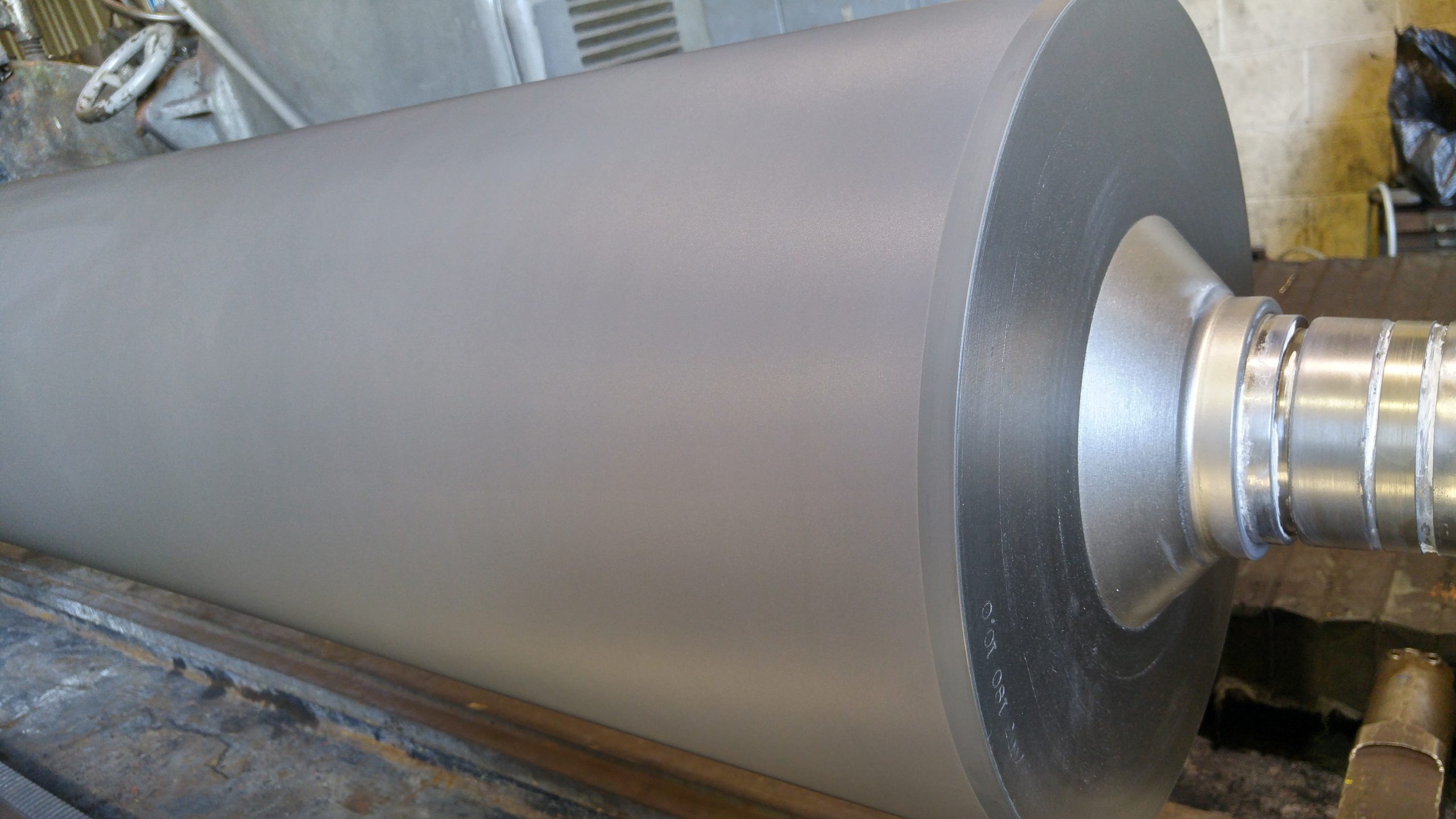
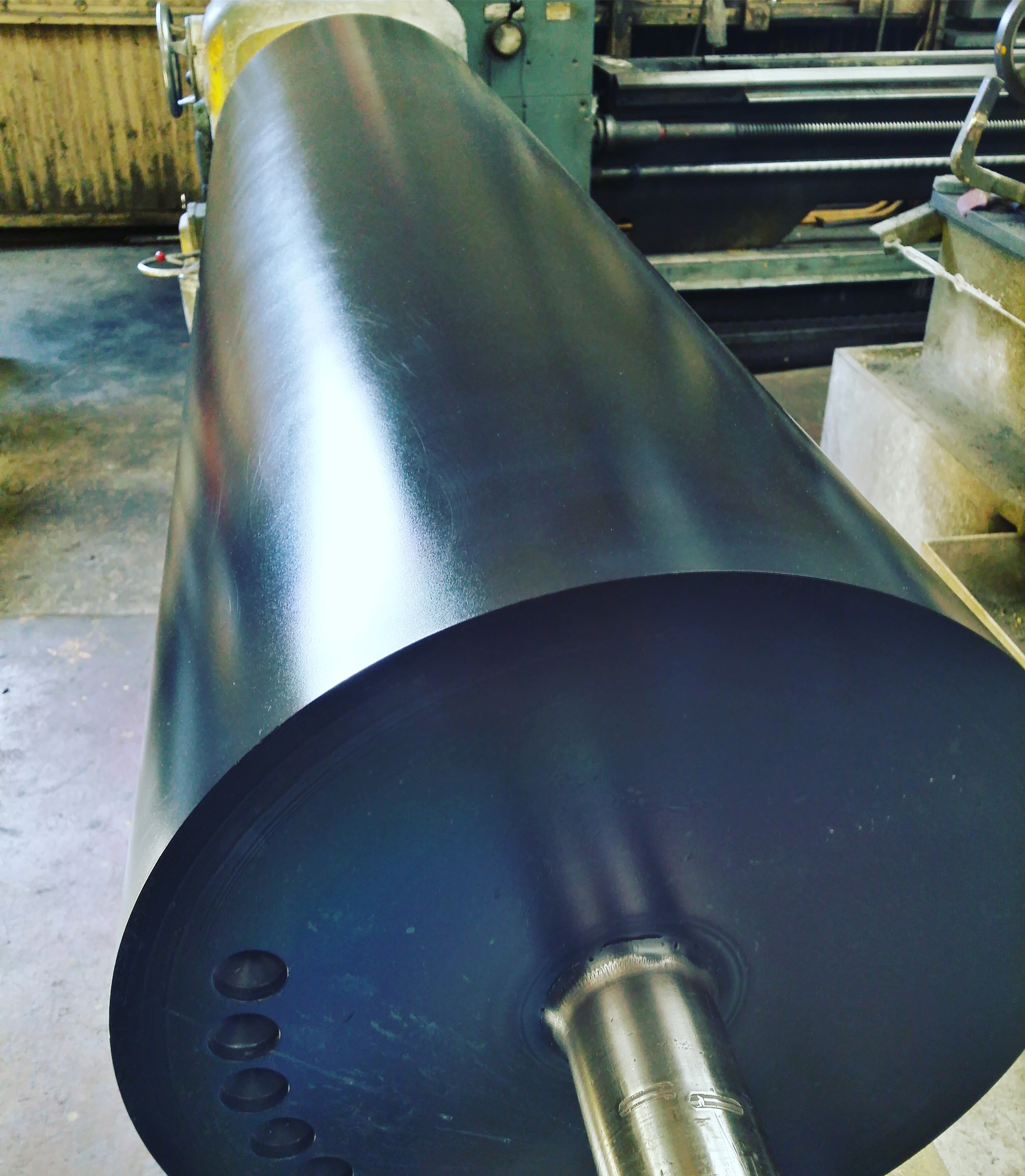
Achieving the perfect surface finish is vital for roller efficiency. Precision grinding ensures that each roller meets exact specifications. This process minimizes friction and wear, leading to smoother operation.

Surface finish RA is a measure of smoothness. A fine RA value indicates a smoother surface, reducing wear and improving efficiency. At Thistle Roller Co., we prioritize precision to deliver the best results.

Dynamic Balancing and Total Indicated Runout TIR

Dynamic balancing prevents vibration and wobbling in rollers. This is essential for maintaining stability and prolonging roller life. An unbalanced roller can lead to increased wear and potential failure.

Total Indicated Runout (TIR) measures the roller’s roundness. By maintaining a low TIR value, you ensure smooth rotation and minimize wear. Investing in these checks can save you significant costs in the long run.

Enhancing Durability and Performance

To truly get the most from your rollers, enhancing both durability and performance is key. Let’s explore how specific designs and technologies contribute to this.

Crown Profile Design and Web Handling

Crown profile design is crucial for web handling. It ensures that the material stays centered, preventing misalignment. This design reduces the risk of wrinkles and improves material flow.

By incorporating a crown profile, you enhance roller efficiency. This design is particularly beneficial in industries where precise material handling is essential.

Thermal Transfer Rolls and Chill Rolls

Thermal transfer rolls and chill rolls regulate temperature. This is vital in processes where precise temperature control is necessary. These rolls maintain material integrity during heating and cooling phases.

Investing in these rolls ensures consistent performance. They prevent material distortion and maintain high-quality output.

Journal Repair and Roller Reconditioning

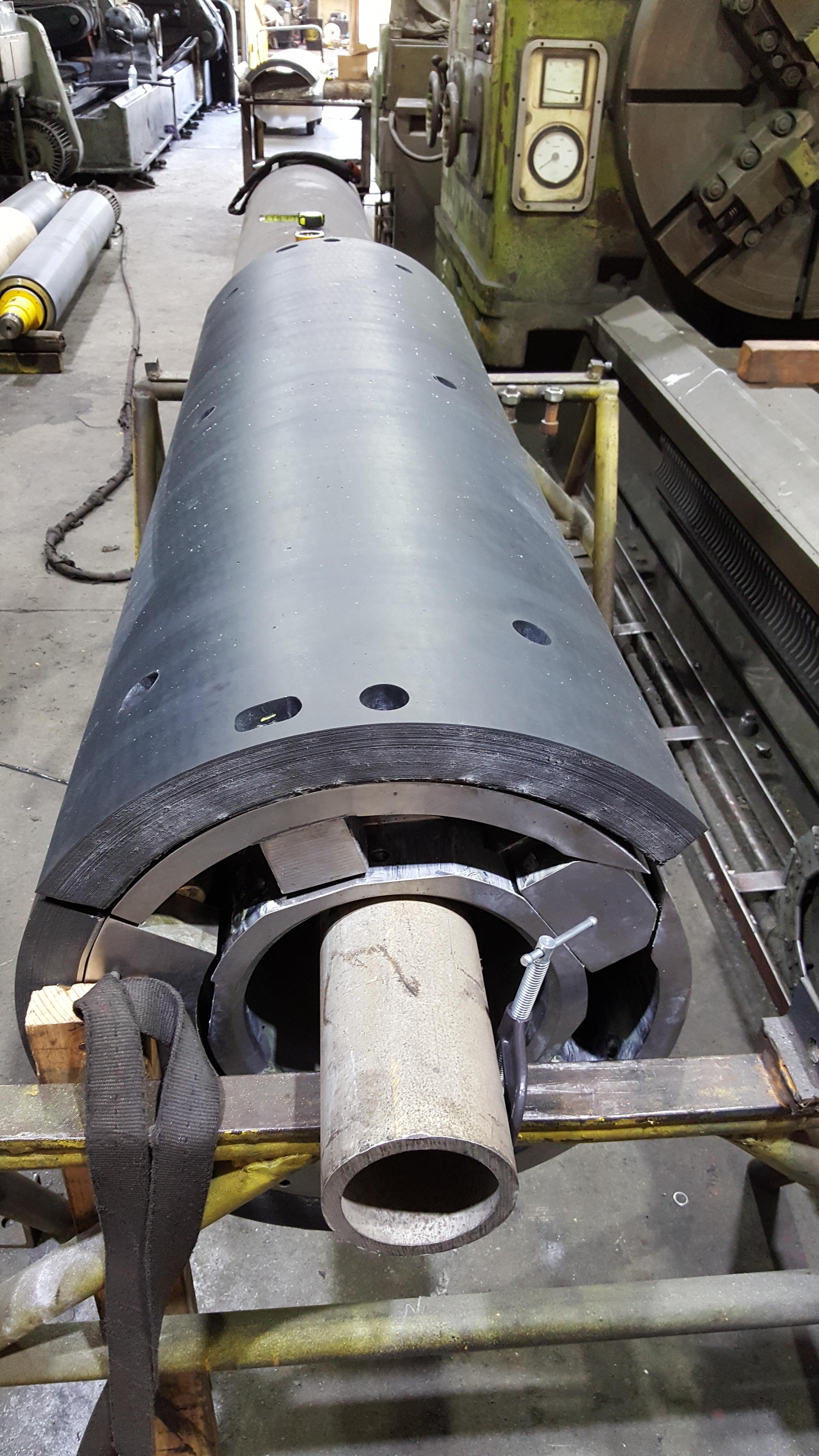
Over time, journals can wear out, affecting roller performance. Regular journal repair and roller reconditioning are essential for maintaining efficiency. These services restore rollers to their original condition, extending their lifespan.

By opting for regular maintenance, you reduce the risk of unexpected failures. This proactive approach keeps your operations running smoothly and efficiently.

For more insights into preventing roller failures and enhancing performance, consider reading this guide on roller failure prevention.

Explore tailored roller solutions engineered to fit your unique needs perfectly.

Beyond Diameter and Length: The Real Checklist for Roller Replacements

Most roller replacements stop at diameter and length. That’s a costly mistake. Your next roller needs more: precise TIR runout, proper durometer selection, balanced coatings, and tight bearing fit tolerances. Skipping these specs puts your uptime and product quality at risk. In this post, you’ll learn the real checklist for industrial rollers that keeps production running and downtime low. Find more insights here.

Evaluating Roller Replacements

Choosing the right roller goes beyond simple measurements. Let’s explore key factors that impact performance and longevity.

Importance of Material Selection

Imagine investing in a roller that wears out quickly. Material choice can prevent that. Polyurethane and ceramic coatings offer distinct advantages. Polyurethane is great for abrasion resistance and flexibility. Ceramic excels in high-temperature scenarios and provides chemical resistance. When selecting materials, consider your environment. Are you dealing with extreme temperatures? Will the roller face chemicals? These questions guide you to the best choice.

Load capacity also influences material selection. A roller that bears heavy loads needs robust materials. Choosing the right one ensures your roller lasts longer. If you’re unsure, this guide can help.

Understanding Advanced Coatings

Advanced coatings can transform your roller’s performance. HVOF coatings are a popular choice, offering five times more wear resistance than chrome. They ensure a longer lifespan and less maintenance. Consider tungsten carbide if you need something robust. It handles high stress and extends service life significantly.

Surface finish matters, too. A smoother finish reduces friction and energy use. By choosing the right coating, you protect your investment and enhance efficiency. This detail often gets overlooked, but it’s vital for optimal performance.

Load Capacity and Bearing Fit

Load capacity affects how well your roller performs under stress. A roller that can’t handle its load will wear out fast. Bearing fit is crucial for smooth operation. Tight tolerances ensure stability and reduce vibration. Proper fitting prevents premature wear and extends roller life.

When evaluating load capacity, consider the operational environment. Will the roller face constant stress or intermittent loads? Choose materials and designs that suit your needs. Proper planning here saves time and money down the line.

Key Specifications Beyond Dimensions

Once you understand the basics, it’s time to delve deeper into specifications that often go unnoticed.

Critical Speed and Shaft Deflection

Did you know ignoring critical speed can lead to roller failure? Critical speed is the point where vibrations increase, risking damage. To avoid this, ensure your roller’s speed stays below this threshold. Shaft deflection is another factor to watch. Excessive deflection can cause misalignment and wear.

When choosing a roller, calculate the expected deflection. Use materials and designs that minimize these risks. Balancing these factors ensures your roller performs reliably, even under challenging conditions.

Surface Finish and Durometer Selection

Surface finish impacts how materials interact with your roller. A smooth Ra finish reduces friction, saving energy. It’s essential for operations where precision is key. Durometer selection determines a roller’s hardness. Softer rollers provide grip, while harder ones offer durability. Choose based on your needs.

For instance, a soft durometer works well in applications needing high friction. Hard durometers suit high-speed operations. Balancing finish and durometer is crucial for optimal performance.

Dynamic Balancing and Concentricity

Precision matters for smooth operation. Dynamic balancing ensures even weight distribution, reducing vibration. A well-balanced roller avoids wear and extends lifespan. Concentricity guarantees uniform rotation, preventing wobble and uneven wear.

Balancing and concentricity are often overlooked, but they’re vital. They ensure your rollers perform consistently, reducing downtime and maintenance needs. Getting these right means fewer disruptions and smoother operations.

Reducing Downtime with Custom Solutions

Downtime is costly. Custom solutions can ensure your operations stay seamless and productive.

Core Exchange Program Benefits

Imagine swapping out a worn roller in minutes. Core exchange programs allow quick replacements, minimizing downtime. Instead of waiting for repairs, you get a ready-to-use roller. This speeds up maintenance and keeps production rolling.

With a core program, you’re never without a critical component. It’s a quick, efficient way to keep operations steady.

MRO Support for Quick Turnarounds

When things go wrong, quick recovery is essential. MRO support offers rapid solutions. With expert teams on standby, issues get resolved fast. This minimizes downtime and reduces stress.

Reliable MRO support ensures you always have help when you need it. It keeps your operations running smoothly, even under pressure.

Expert Failure Analysis and Repair

Understanding why failures occur is key. Failure analysis digs deep to find causes. Experts then provide solutions, preventing repeat issues. This proactive approach saves time and money.

By addressing root causes, you protect your investment. It’s a smart way to enhance reliability and extend roller life.

In conclusion, the right roller choice goes beyond basic dimensions. By focusing on key specifications and custom solutions, you enhance performance and minimize disruptions. Trust in Thistle Roller Co. to provide the expertise and quality you need.

Explore tailored roller solutions engineered to fit your unique needs perfectly.

Beyond Hardness: How Advanced Coatings Drive Roller Uptime and Precision

Most industrial rollers fail because their coatings fall short. Your production line pays the price with downtime and costly repairs. Advanced roller coatings like HVOF change that equation by controlling wear, traction, heat, and corrosion. This post breaks down how the right coating drives uptime, quality, and total cost savings—so you can keep your line running without surprises. For more detailed insights, check out this link: [https://thistleroller.com/category/uncategorized/].

Enhancing Roller Performance

Advanced roller coatings are game changers for any production line. They minimize downtime by reducing wear and tear. But how do these coatings work? Let’s explore their roles and benefits.

Role of Advanced Roller Coatings

Advanced coatings do more than just protect rollers. They ensure that your production runs smoothly by managing friction, heat, and wear. With these coatings, rollers can handle high-speed operations and tough environments. This means fewer breakdowns and more consistent output.

When you choose the right coating, it acts like a shield for your rollers. This shield keeps them in top shape, even when facing harsh chemicals or extreme temperatures. Your operations stay on track, and your costs stay under control.

Benefits of HVOF Coatings

High-Velocity Oxygen Fuel (HVOF) coatings offer superior protection. They are known for their resistance to wear and corrosion. This makes them ideal for rollers that face constant stress. By using HVOF, you extend the life of your rollers significantly.

The magic of HVOF lies in its dense and hard coating. This coating acts as a tough barrier against external damage. It also reduces friction, which means your rollers work efficiently with less energy. Ultimately, this translates to savings on maintenance and energy costs.

Importance of Coating Selection

Selecting the right coating is crucial. It’s not just about protection; it’s about enhancing performance. The right choice can lead to better traction, controlled release, and improved heat management. Each roller type and application demands a specific kind of coating.

Custom coatings can address unique challenges in your production. By focusing on your specific needs, you ensure that your operations run smoothly without hiccups. This tailored approach helps in maintaining uptime and reducing unexpected costs.

Key Coating Technologies

Understanding coating technologies gives you the edge in roller performance. Different materials and methods offer unique benefits. Let’s delve into the specifics.

Tungsten Carbide and Ceramic Coatings

Tungsten carbide and ceramic coatings are known for their strength. They offer incredible hardness and resistance to wear. This makes them ideal for high-pressure applications. With these coatings, your rollers can withstand extreme conditions without a hitch.

Both tungsten carbide and ceramic coatings are applied using advanced techniques. These processes ensure that the coatings adhere perfectly to the roller surface. As a result, your rollers achieve maximum durability and reduced risk of failure.

Chrome Alternative and Thermal Spray

Chrome alternative coatings, like thermal sprays, offer sustainable options. They provide a robust surface that resists corrosion and damage. These coatings are perfect for industries looking to move away from traditional chrome coatings.

Thermal spray coatings are versatile. They can be applied to various roller types without compromising on quality. This versatility allows for broader applications and ensures that you get the best performance from your rollers.

Chemical Resistance and Corrosion Control

Chemical resistance is vital in many industries. Rollers exposed to harsh chemicals need protection. Advanced coatings offer this shield, ensuring that your rollers last longer and perform better.

Corrosion control is equally important. With the right coatings, you prevent rust and damage, keeping your rollers in top condition. This not only extends their lifespan but also keeps your production line running smoothly.

Boosting Uptime and Precision

Precision and uptime are key to any successful operation. Coatings play a crucial role in achieving these goals. They ensure that your rollers perform at their best, reducing downtime significantly.

Traction and Release Control Strategies

Proper traction and release are critical for roller performance. Advanced coatings provide the perfect balance. They ensure that materials move smoothly without slipping or sticking. This balance is essential for maintaining speed and precision in your operations.

These coatings also help in reducing friction, which minimizes wear and tear. By keeping your rollers in optimal condition, you prevent unexpected breakdowns and maintain a consistent production flow.

Precision Grinding and Superfinishing Explained

Precision grinding and superfinishing are vital for achieving the perfect roller surface. These processes remove imperfections and ensure an even finish. They are crucial for maintaining the right Ra finish, which is vital for high-speed operations.

With precision grinding, you enhance the roller’s balance and performance. This not only improves production quality but also extends the roller’s lifespan. In turn, your operations benefit from increased reliability and reduced maintenance needs.

Achieving Optimal Ra Finish and Balance

An optimal Ra finish is essential for efficient roller performance. It ensures smooth material movement and reduces energy consumption. Achieving this finish requires advanced techniques and precise control.

Balance is equally important. A well-balanced roller minimizes vibrations, reducing the risk of damage. By focusing on Ra finish and balance, you ensure that your production line operates smoothly and efficiently, without any disruptions.

This post has highlighted the significant role of advanced roller coatings in industrial applications. By understanding the benefits and technologies behind these coatings, you can make informed decisions that enhance your operations, reduce costs, and maintain a reliable production line. Investing in the right coating solutions is a step toward achieving long-term success and operational efficiency. For more insights, visit how advanced coating technologies revolutionize manufacturing.

Explore tailored roller solutions engineered to fit your unique needs perfectly.

When Downtime Is Expensive, a Quote Is Not Enough: What OEM and MRO Teams Really Need

Price tags on industrial rollers only tell part of the story when downtime costs thousands per hour. You face risks that a simple quote can’t catch: material mismatches, coating failures, or missed delivery deadlines. OEM and MRO teams need engineering validation, materials expertise, and logistics planning to cut total cost of ownership and keep production uptime steady. Read on to find out how to protect your line beyond just the price. For more insights into the balance between OEM and MRO, explore this article: OEM vs. MRO in Automotive Industry: Understanding the Supply Chain Balance.

Engineering Beyond Quotes

When comparing roller options, the initial price is just the beginning. To truly save costs, you need to look deeper. Let’s start by exploring the vital role of engineering validation in avoiding unexpected pitfalls.

Importance of Engineering Validation

The right engineering validation ensures your rollers perform optimally. Without it, you risk costly failures. Imagine your line stops due to an overlooked fault. It’s not just inconvenient; it’s expensive. Proper validation tests each roller for strength and compatibility. This step catches potential issues early, saving you money and time.

Consider a scenario where a web handling roller passed initial checks but failed in actual use. The oversight cost a manufacturer thousands in repairs and delays. Avoid such scenarios by insisting on thorough validation from your supplier. Your production line deserves nothing less than reliability.

Materials Expertise and Selection

Choosing the correct material is crucial. The wrong choice could lead to premature wear or failure. You need experts who understand your specific needs. They help match the material to your operational environment, ensuring durability and efficiency.

For example, a thermal management roller in a high-heat setting requires specific coatings to withstand intense conditions. Selecting the right materials extends roller life, reducing replacements and downtime. Trust in experts who can guide you in making these essential decisions.

Role of Coating Selection

Coatings protect your rollers against wear and tear. The right coating can mean the difference between frequent replacements and long-term savings. HVOF coatings are popular for their superior durability. They offer enhanced resistance to harsh environments, ensuring your rollers last longer.

In one case, a manufacturer switched to advanced coatings and saw a 20% increase in roller lifespan. This change not only saved on replacement costs but also improved overall production uptime. It’s proof that investing in quality coatings pays off in the long run.

Strategic Logistics and Support

Beyond engineering, strategic logistics play a crucial role in maintaining steady production. Proper planning helps prevent delays and disruptions. Let’s dive into how reliable lead times and support programs can be a game changer.

Planning for Reliable Lead Times

Reliable lead times are essential for any production schedule. A delay can disrupt your entire operation. Planning ahead and choosing partners who deliver on time is key to maintaining smooth operations. In-house machining capabilities often result in quicker and more predictable delivery.

Consider the impact of a missed deadline. A delay in receiving precision rollers could halt operations, leading to financial losses. By collaborating with dependable suppliers, you minimize such risks, keeping your production line running seamlessly.

Importance of Support Programs

Support programs are your safety net. They offer peace of mind, knowing help is available when you need it. Look for suppliers who provide comprehensive support, from initial setup to ongoing maintenance. Programs like a core exchange program can help streamline your operations, reducing downtime and ensuring continuity.

Having access to expert support means you can quickly address any issues that arise, minimizing disruptions. Most manufacturers overlook this, but securing robust support is a smart move for any business serious about maintaining uptime.

Reducing the Total Cost of Ownership

Understanding the full cost of ownership reveals hidden savings. It’s more than just buying rollers; it’s about maintaining efficiency. Dive with us into how you can reduce costs and keep your production line moving smoothly.

Understanding Downtime Costs

Downtime isn’t just an inconvenience; it’s expensive. Every hour of inactivity costs money. It’s essential to factor these costs into your decision-making. Investing in quality solutions upfront can save you significantly in the long run. Want to understand more about the hidden costs? Check out How Manufacturers Are Overspending Their Way Into Downtime.

A study showed that each hour of downtime in industrial settings could cost thousands. By understanding and anticipating these costs, you can make more informed decisions that keep your bottom line healthy.

Enhancing Roller Durability and Uptime

Improving roller durability directly impacts production uptime. Durable rollers mean fewer interruptions and less maintenance. This ultimately saves you money. Investing in high-quality rollers with advanced coatings extends their life, reducing the need for frequent replacements.

One company enhanced their rollers’ Mean Time Between Failures (MTBF) by over 30% by opting for better materials and coatings. The result? Increased production efficiency and significant cost savings. Prioritize durability and watch your operational efficiency soar.

The longer you wait to improve these areas, the more you risk unexpected costs and disruptions. Taking proactive steps now leads to smoother operations and lower total costs. Let’s partner together to ensure your production line stays strong and reliable.

Join us in celebrating how our warranty supports your peace of mind and production uptime.