Unplanned downtime from roller failures can cost your plant thousands in lost production hours. Most teams only react after a breakdown, leaving them scrambling for quick fixes and costly replacements. This guide equips you with a clear, practical framework to evaluate roller support—covering response times, coating durability, reconditioning quality, and spare strategies—so you can cut downtime risk and build a reliable maintenance plan with Thistle Roller Co..
Evaluating Roller Support
Imagine your production line humming smoothly, no unexpected stops. That’s the dream, right? Let’s talk about ways to make that a reality.
Key Vendor Audit Criteria
When selecting a roller vendor, you need more than just a name. Look for a partner who knows the ins and outs of your industry. How do they handle emergencies? Do they have a track record of reliability? Asking these questions upfront can save you a lot of hassle later.
A reliable vendor offers comprehensive services: from manufacturing to repair. They should also provide detailed reports on performance and failures. If they can’t give specifics, that’s a red flag. Don’t forget to check their customer testimonials. Real feedback from other businesses can be eye-opening.
Assessing Response Times
Quick fixes are vital when a roller fails. Knowing your vendor’s response time is crucial. A fast response can save you hours, if not days, of lost productivity. But how do you measure that?
Ask for their average response time during emergencies. A good vendor will offer 24/7 support and have a team ready to jump into action. If they hesitate to provide these details, it might be time to reconsider. Keep in mind, the longer you wait for help, the more it affects your bottom line.
Engineering Depth and Expertise
Deep engineering knowledge sets the best apart from the rest. You need experts who understand roller dynamics, not just the basics. They should offer insights on how to make your operations smoother and more efficient.
Look for a vendor that employs certified engineers with experience in your field. They should conduct failure analysis and suggest improvements. This expertise is invaluable. Most people assume all vendors are the same, but the depth of knowledge separates true partners from mere suppliers.
Understanding Roller Coatings
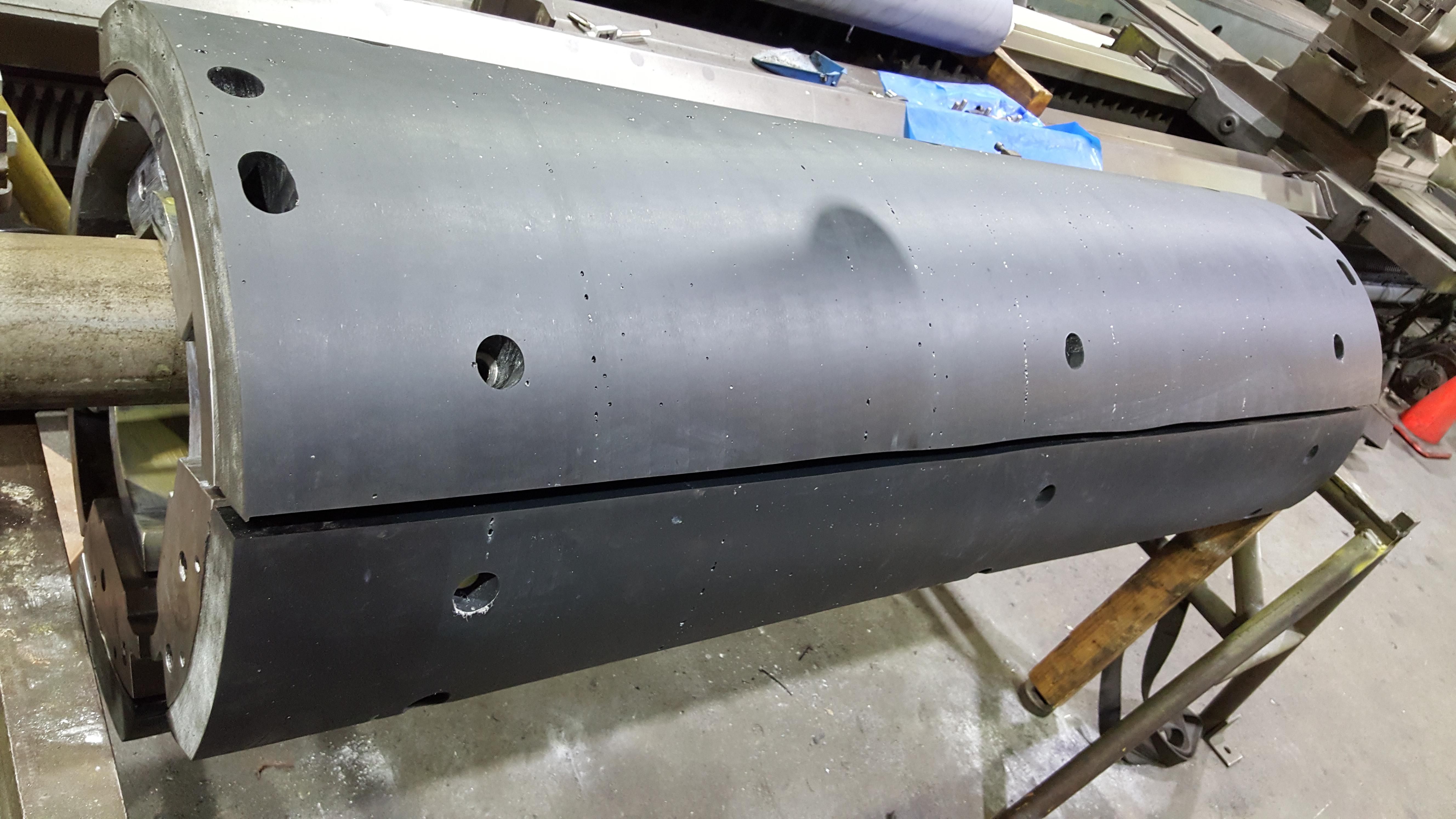
After choosing a vendor, the next step is understanding roller coatings. These coatings play a key role in durability and performance.
Coating Durability Insights
Durability matters. Coatings should withstand your production’s demands. The right coating reduces wear, meaning fewer interruptions and lower costs. But how do you choose the right one?
Ask about coating lifespan and resilience under your specific conditions. A vendor should offer a variety of coatings tailored to your needs. Avoid assumptions that “one size fits all.” Each application has its unique requirements.
HVOF and Thermal Spray Options
Looking for advanced options? High-Velocity Oxygen Fuel (HVOF) and thermal spray coatings are excellent for heavy-duty applications. These coatings offer exceptional wear resistance and can significantly extend roller life.
HVOF coatings, for example, can be five times more wear-resistant than traditional chrome. They protect base metals and can be applied on-site, reducing downtime. Consider these options if you’re in industries demanding high performance.
On-Site Coating Benefits
Why consider on-site coating? Simple: it minimizes downtime and gets your rollers back into action faster. You won’t need to ship your rollers out, saving both time and money. On-site options also allow for immediate adjustments based on real-time observations.
This approach ensures that your rollers are coated in their working environment. It’s a smart move for industries where every minute counts. By choosing on-site coating, you’re opting for convenience and efficiency.
Lifecycle Services and Cost
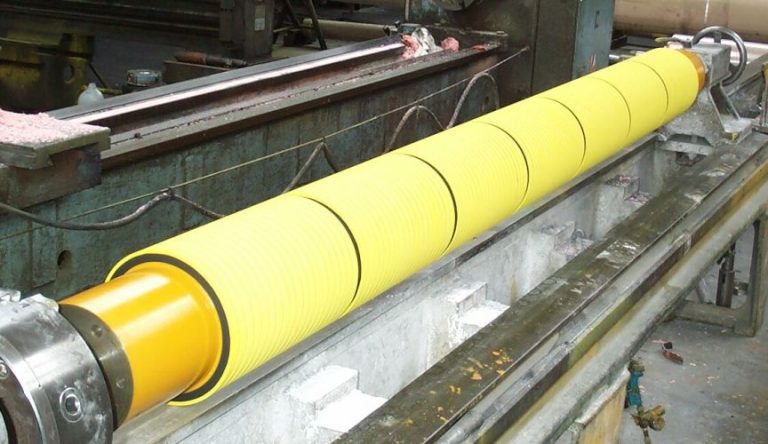
Now, let’s focus on the lifecycle of your rollers. Understanding services and costs involved can help you budget and plan effectively.
Reconditioning and Repair Quality
Reconditioning can breathe new life into worn-out rollers. But quality matters. Ensure your vendor uses high-quality materials and processes. This can restore rollers to like-new condition, extending their service life.
Ask about the processes they use, like precision grinding or dynamic balancing. These steps guarantee high performance. A quick fix might seem cheaper, but it’s rarely the best option. Investing in quality reconditioning saves money in the long run.
Core Exchange and Spare Strategies
Having spare rollers on hand is crucial for minimizing downtime. Look into a core exchange program with your vendor. This allows you to swap out damaged rollers quickly, keeping your line moving.
Establish a spare strategy based on your production needs. This proactive approach ensures you’re never caught off guard by unexpected failures. The idea is to be prepared, not reactive. Most businesses overlook this, but it’s a game-changer.
Warranty and Lifecycle Cost Analysis
Finally, consider the warranty and total cost over the roller’s lifecycle. A strong warranty offers peace of mind, assuring you of the roller’s quality. It also indicates the vendor’s confidence in their product.
Analyze all costs involved: from initial purchase to maintenance and possible replacements. A higher upfront cost might be worth it if it means fewer expenses later. Think long-term. Industrial warranty and lifecycle analysis can reveal hidden savings that many miss.
By following this framework, you’re not just buying rollers. You’re investing in a reliable system that keeps your operations smooth and efficient. Trust in the expertise of Thistle Roller Co. and ensure your production never misses a beat.
Join us in celebrating how our warranty supports your peace of mind and production uptime.