
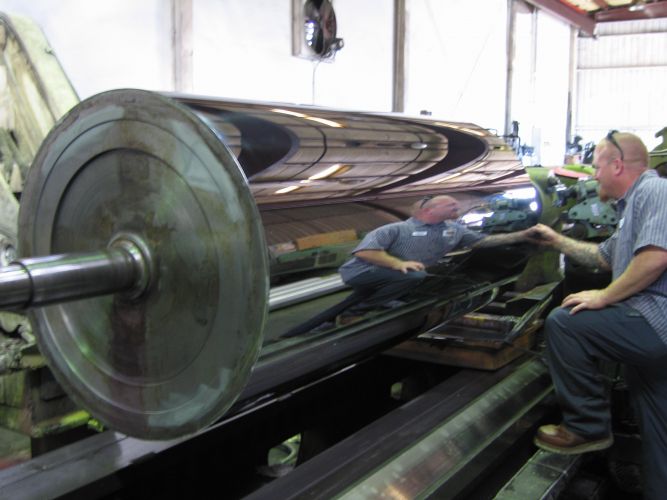
Most roller emergencies aren’t surprises. The cover was glazing for weeks, the bearing was getting louder, the spare was never ordered. A simple maintenance plan turns those failures into scheduled work, done in a shutdown window instead of in the middle of a run.
This guide brings together what OEM and MRO teams need to plan roller service through the year, before busy seasons and around shutdowns.
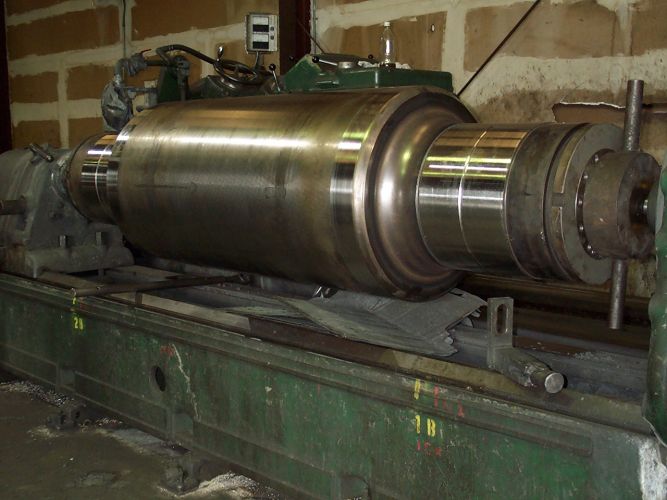
Step 1: Audit every roller on the line
Start with a list. For each roller, note:
- Position and function (nip, idler, chill, embossing, coating, drive)
- Covering material, hardness and last service date
- Current condition: cracks, glazing, swelling, hardness drift, runout, bearing noise
- What it costs you if it fails: does the whole line stop, or is there a workaround?
January is a natural time for this, when new maintenance budgets open, but any quiet week works.
Step 2: Rank by risk
Combine condition and consequence. A worn roller on a line with no spare and no bypass goes to the top of the list. A worn idler with a spare on the shelf can wait for the next window. This ranking tells you where your budget and shutdown time should go first.
Step 3: Decide recover, recondition or replace
For each roller near the top of the list:
- Recondition when the cover is sound but the surface, crown or balance is off. Grinding, balancing and polishing can bring it back.
- Recover when the cover is worn but the core is sound. A new covering on the existing core is often faster and cheaper than new.
- Replace when the core is damaged, the design needs to change, or a new spec will solve a recurring problem.
Ask for a recover versus new comparison so the choice is based on numbers.
Step 4: Protect your critical rollers with spares
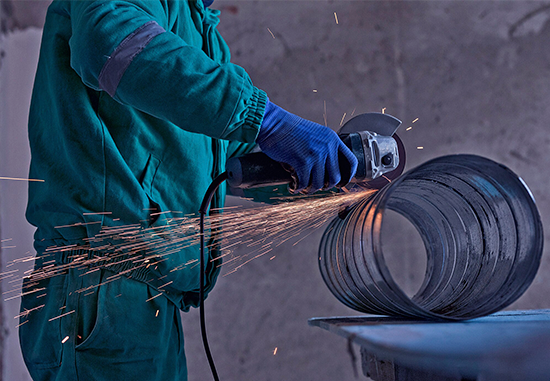
If a roller would stop the line, you want a ready replacement. Options include a recovered spare on the shelf, a core exchange program where you swap a worn roller for a ready one, or a stocking program that keeps critical rollers ready for one plant or several. Thistle Roller offers all three.
Step 5: Book work around your calendar
Most plants have predictable windows and predictable crunch times. Plan around both:
- Spring outages in paper and tissue mills, March and April
- July 4 shutdown week, plan rebuilds in June
- Food and ag processing peak in late summer, get rollers ready before it
- Fall mill outages in October
- Year-end shutdowns, the biggest rebuild window of the year
Shops fill up before every one of these. Booking early means your rollers come back before restart, not after it.
Step 6: Get ahead of seasonal demand
When demand spikes, lines run harder and rollers wear faster. Before a busy season:
- Recover or recondition anything that’s close to its limit
- Confirm spares are ready and in good condition
- Check alignment and nip settings so new covers wear evenly
- Agree lead time ranges with your roller shop in advance

Step 7: Track results and adjust
Log every failure and every rebuild: what failed, why, how long it ran, and what it cost. After a year you’ll know which positions eat covers, which compounds last, and where a different material or a longer-life cover like ThistleFusion XtremeGlass Hybrid Polyurethane, backed by a 2-year warranty, would pay for itself.
A simple year-end checklist
- Use remaining budget on the highest-risk rollers
- Book holiday shutdown rebuilds now
- Refresh your roller list and condition notes
- Set next year’s spares and exchange plan
Plan it with us
Thistle Roller’s field team can inspect and measure rollers on site and help you build the plan. Send us your list, photos or drawings and we’ll quote recover versus new. Request a quote or call (562) 948-3705.