Most roller support agreements miss critical details that cost you time and money. Your downtime risk grows when specs like TIR, durometer hardness, and surface finish Ra aren’t locked in up front. This checklist highlights what OEM and MRO teams must review before ordering—cutting costs, controlling quality, and securing service levels that keep production moving. Read on to avoid surprises and get your roller support agreement right the first time. Learn more about OEM and MRO practices here.
Key Elements in a Roller Support Agreement
Understanding the key components of a roller support agreement can save your company time and money. Here’s what to look out for.
Essential Specs and Metrics
When it comes to roller agreements, focusing on essential specs is crucial. The most important specs include Total Indicator Runout (TIR) and durometer hardness. These metrics directly impact the performance and lifespan of your industrial rollers. A precise TIR minimizes vibrations and ensures smooth operations. Meanwhile, understanding durometer hardness helps you select rollers that can withstand specific pressure levels, prolonging their service life.
Another spec to consider is the surface finish Ra. It determines the roughness and quality of the roller’s surface, influencing material handling effectiveness. Knowing these metrics helps you maintain consistency in production lines, and you avoid unexpected breakdowns that can halt operations.
Warranty and Service Terms
Negotiating clear warranty and service terms is vital. A strong industrial roller warranty guarantees that your rollers are protected against defects. Look for agreements offering comprehensive coverage and reasonable claim processes. This ensures you won’t face unexpected costs if issues arise.
Service terms should outline maintenance responsibilities and support availability. Will your supplier provide quick service to minimize downtime? Always confirm whether emergency turnaround services are included. Knowing these details offers peace of mind and assures you of continued operations.
Lead Time and Delivery Assurance
Lead time and delivery assurance determine how quickly you receive your rollers. Fast delivery is critical to maintaining operational efficiency. Ask your supplier about their typical lead times. Can they offer lead time reduction services during urgent needs?
Check if they have a proven track record for on-time delivery KPI. Consistency in delivery timelines means you can plan maintenance without risking production delays. This simple step can enhance your confidence in your supplier’s reliability.
Assessing Supplier Capabilities
Evaluating the capabilities of your roller supplier can make or break your production efficiency. Here’s how to assess their strengths and weaknesses.
In-House Manufacturing and Coating
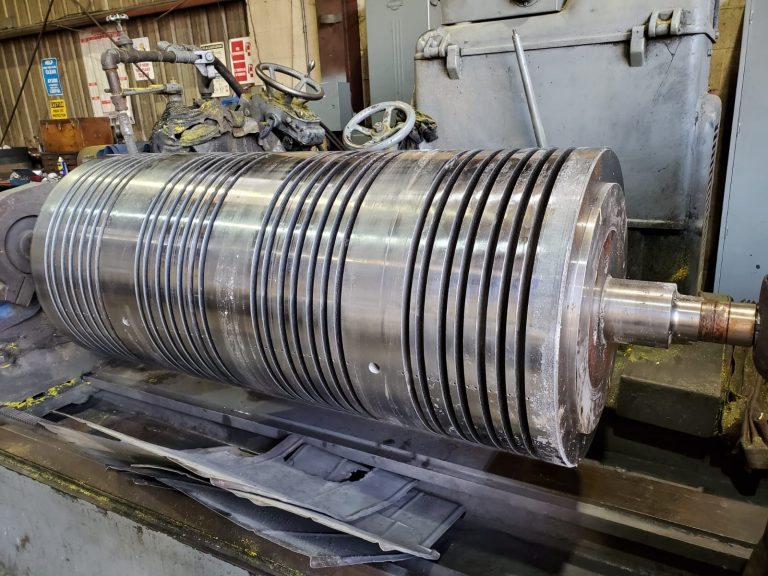
A supplier that manages in-house manufacturing and coating ensures quality control. They have better oversight over production processes, which translates to fewer defects and more reliable products. Look for suppliers who offer advanced technologies like HVOF roller coating. This type of coating offers enhanced durability and longer roller life.
Suppliers who handle operations internally often provide faster service since they don’t rely on third-party vendors. This means you get your rollers quicker, and they’re made to your exact specifications. With everything in their hands, issues can be resolved swiftly, maintaining your production schedule.
Emergency Turnaround and SLA
Consider suppliers who offer emergency turnaround services. Quick response times are crucial when unexpected problems arise. A reliable supplier will have a solid SLA for rollers. This agreement ensures they will meet specific service levels and response times.
Suppliers like these help you minimize downtime and keep operations flowing smoothly. By ensuring there’s a plan in place for emergencies, you safeguard your production lines from extended interruptions. This can be particularly important during peak production periods.
Ensuring Long-term Reliability
Long-term reliability of your rollers is essential for sustained operational success. Here’s what to consider to ensure ongoing performance.
Reconditioning and Core Exchange
Reconditioning services and a core exchange program are vital for extending the life of your rollers. Reconditioning involves restoring worn rollers to their original condition, saving you from the costs of new replacements. It’s an efficient way to maintain performance without the expense of full replacements.
The core exchange program allows you to replace old rollers with reconditioned ones seamlessly. This method reduces downtime significantly. With such programs, you’re assured of having operational rollers ready, ensuring continuous production.
Quality Assurance and Documentation
Quality assurance ensures that the rollers you receive meet all necessary standards. Look for suppliers who provide thorough QA inspection reports. These reports should detail the testing and verification processes each roller undergoes.
Additionally, ensure your supplier provides PPAP documentation and material traceability. This documentation tracks the entire production process, offering transparency and accountability. With these assurances, you can trust that your rollers will perform as expected, maintaining your operations’ efficiency.
In summary, a detailed roller support agreement can significantly impact your operations’ success. By focusing on these key elements, you ensure your rollers are reliable, durable, and suited to your specific needs. Investing time in reviewing agreements now can save you from costly production interruptions in the future.
Join us in celebrating how our warranty supports your peace of mind and production uptime.