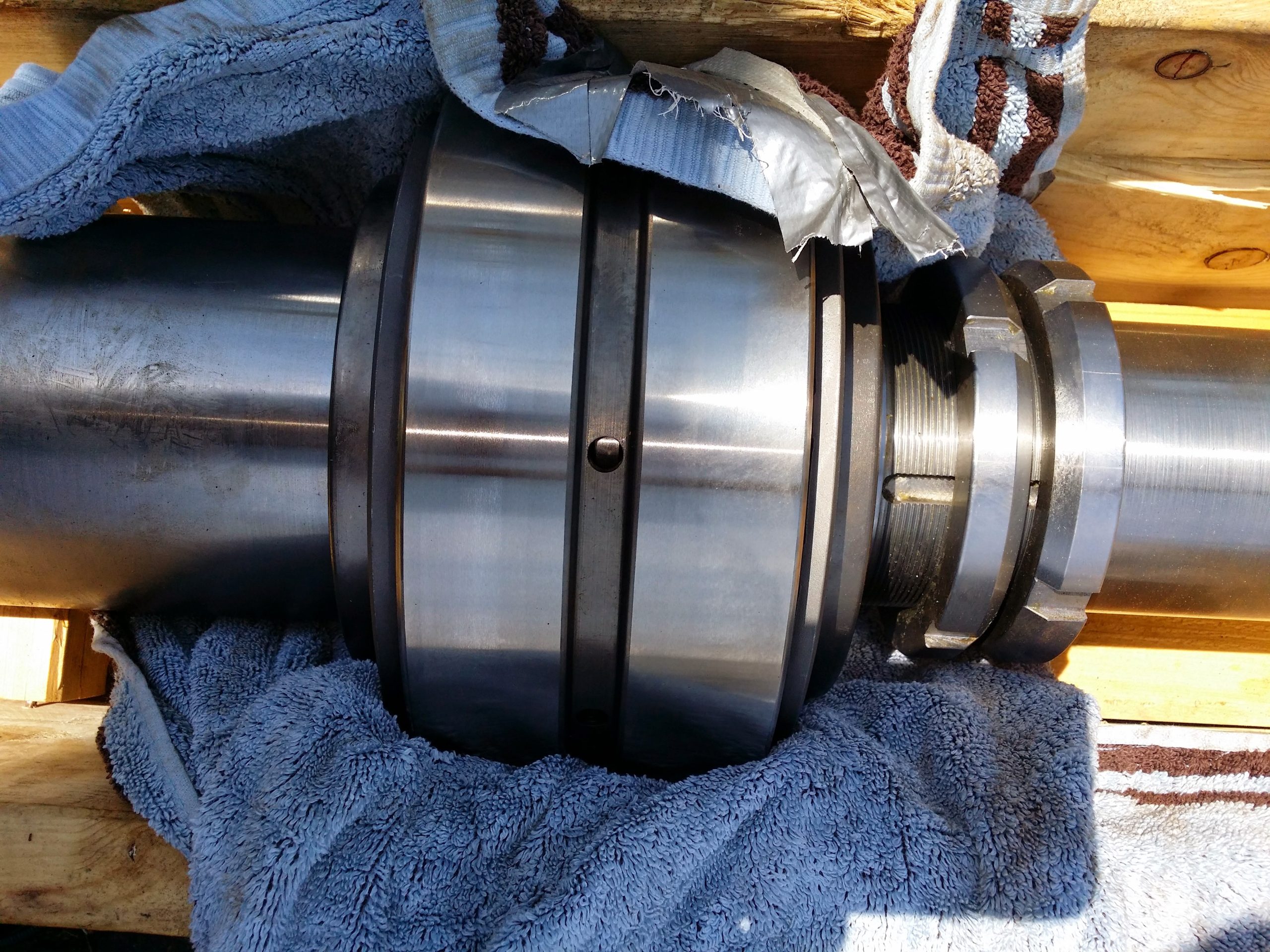
When a roller wears out, there are three choices: recondition it, recover it, or replace it. The right answer depends on the core, the cover, the cost and how fast you need it back.
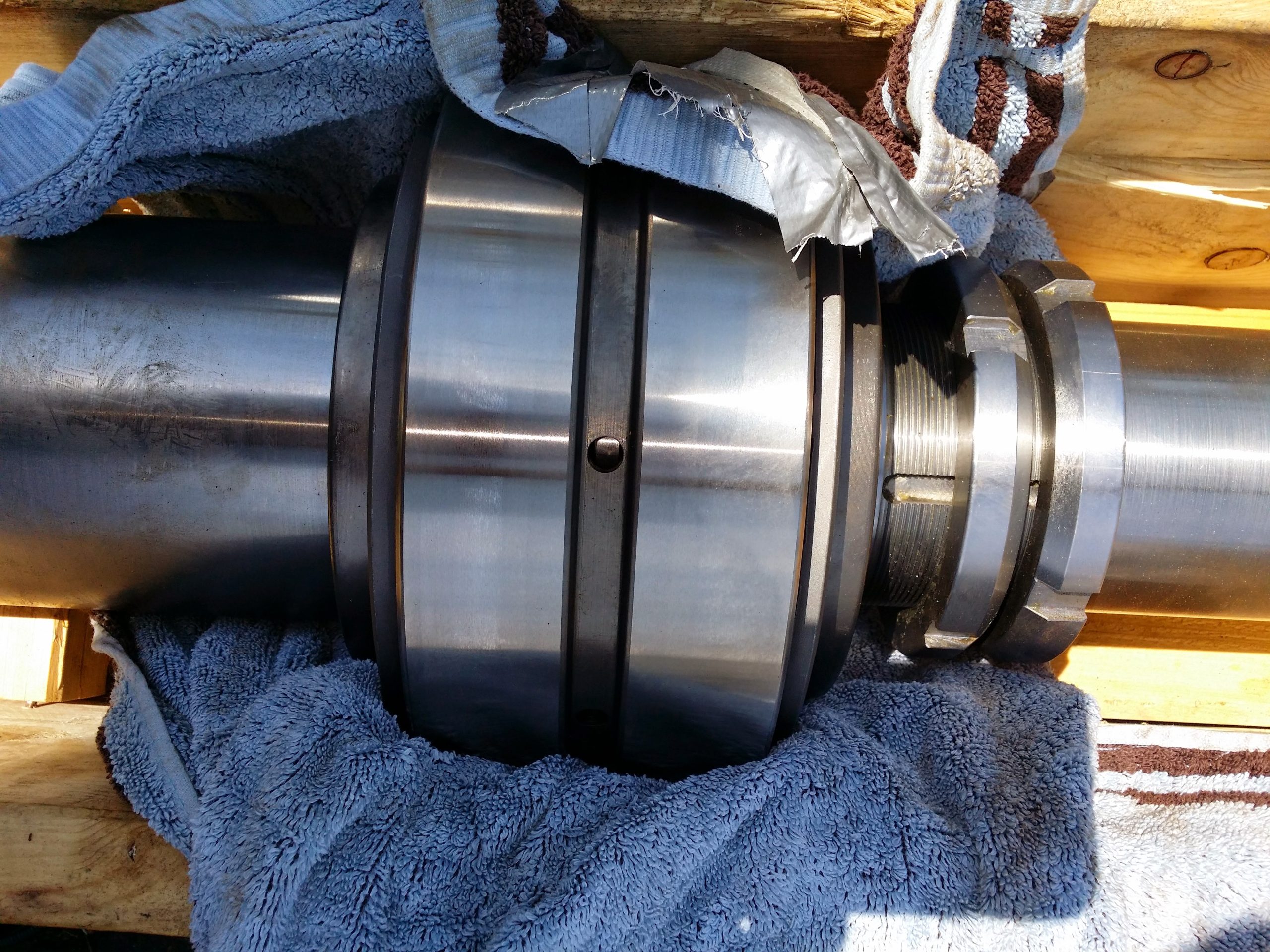
Recondition: when the cover is sound
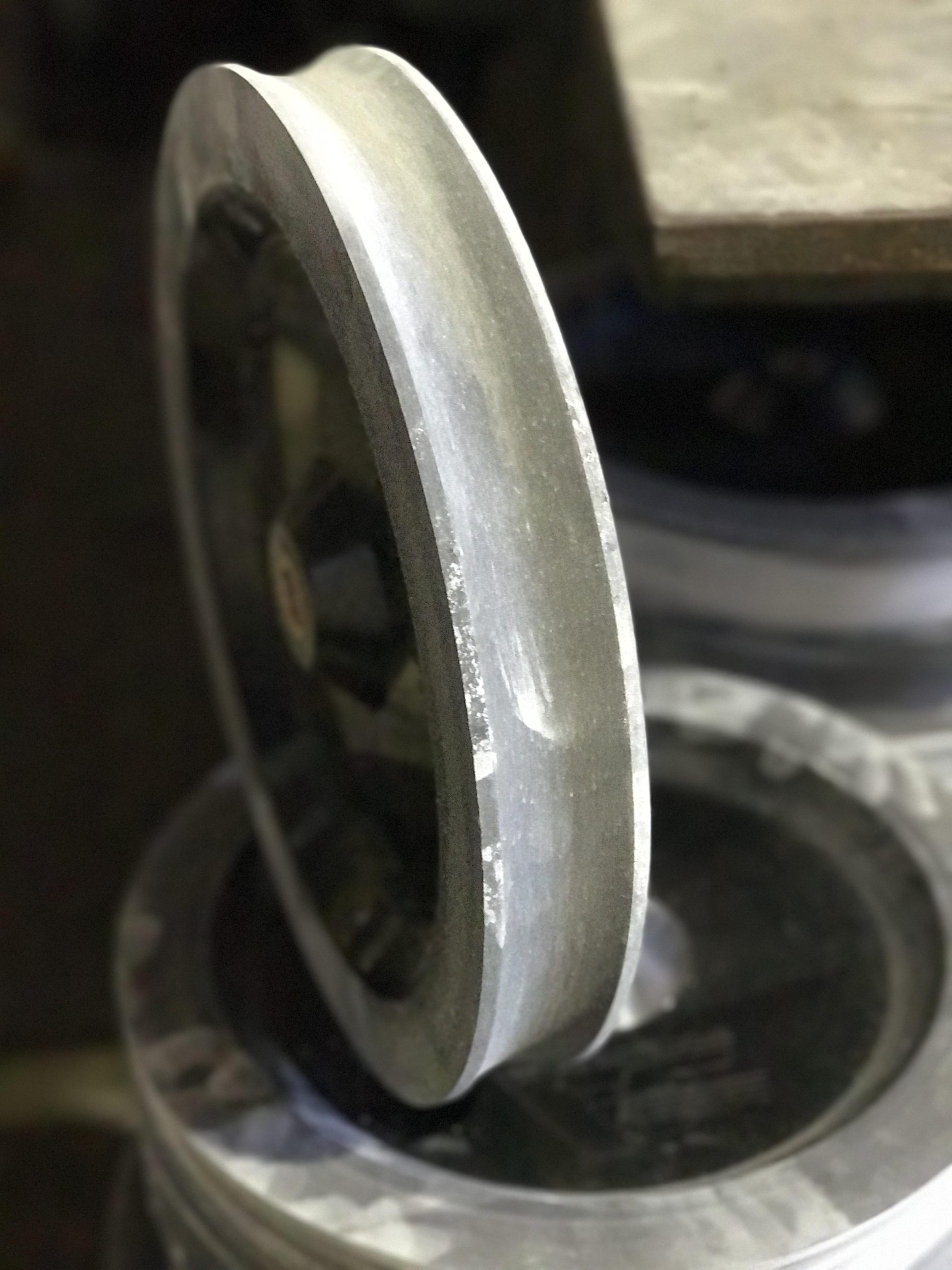
Reconditioning restores a roller that’s still basically good. Typical work includes precision grinding, dynamic balancing, polishing and superfinishing, crowning, grooving, knurling, and sandblasting with metal spray or welding to rebuild worn areas. It’s the right call when runout, surface finish or balance is off but the covering still has life.
Recover: when the cover is worn but the core is good
Recovering strips the old cover and applies a new one on the existing core. It’s often faster and cheaper than a new roller, and it’s a chance to upgrade the material. Thistle recovers in polyurethane, chrome, ceramic, silicone, tungsten carbide, Teflon and Teflon sleeves, FEP and PFA, HVOF carbide, and felt and textile wraps.
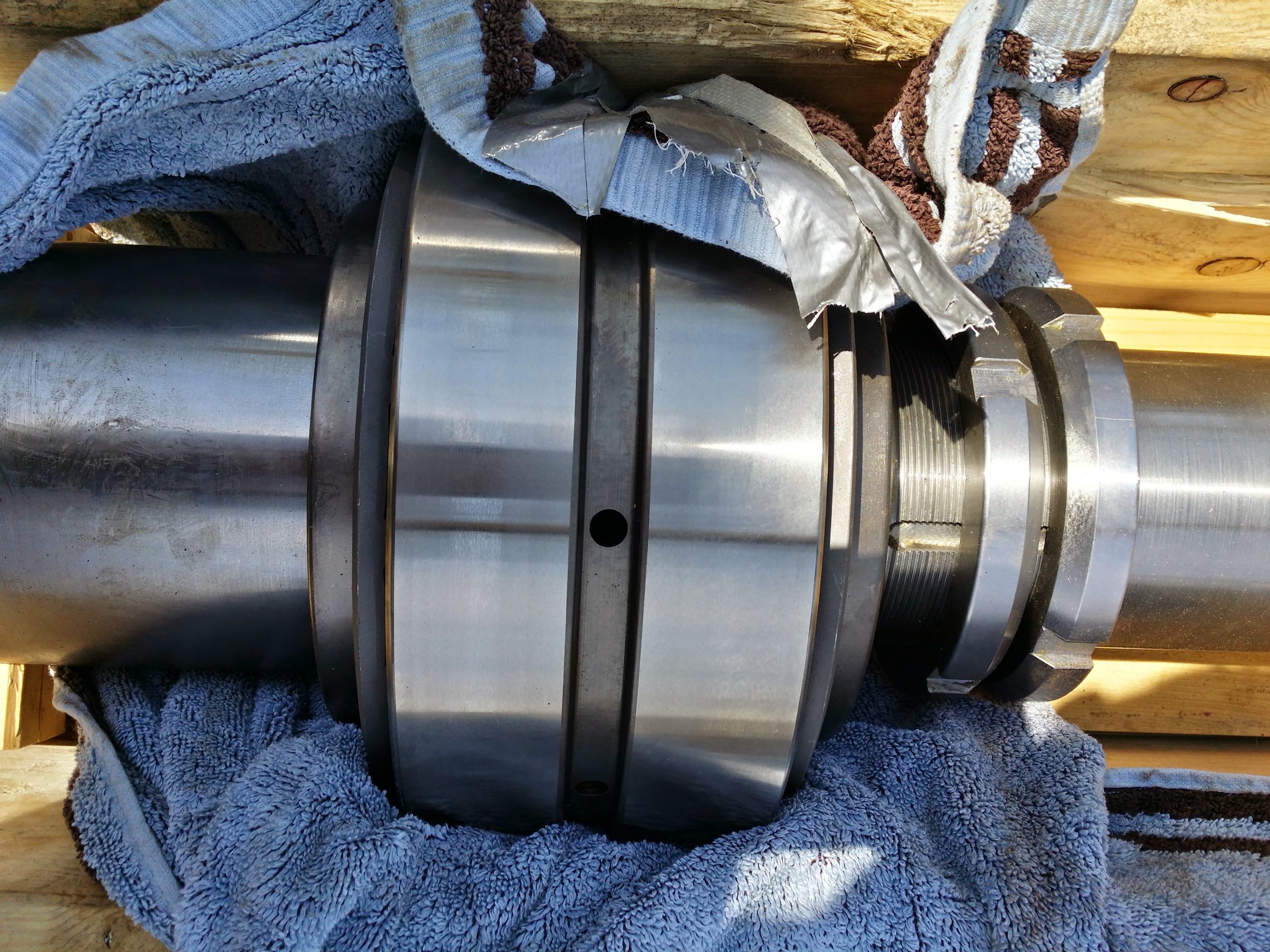
Replace: when the core or the design is the problem
- The core is cracked, bent or worn past repair
- Journals or shafts are damaged beyond rebuilding
- The design keeps failing and needs a new spec
- The application has changed: new speed, width, load or chemistry
Five questions to decide
- Is the core sound? Check runout, straightness, journals and bearing seats.
- How worn is the cover? Surface problems can be ground out. Deep wear, cracks or bond failure mean a recover.
- What does each option cost? Ask for a recover versus new comparison.
- How fast do you need it? Recovering usually beats a new build or an OEM lead time.
- Is it a recurring failure? If the same roller keeps failing, change the material or the design, not just the cover.
Get both options quoted
Send a drawing, a photo or the old roller. We’ll inspect it, tell you what’s worth saving and quote recondition, recover or new side by side. Request a quote or call (562) 948-3705.