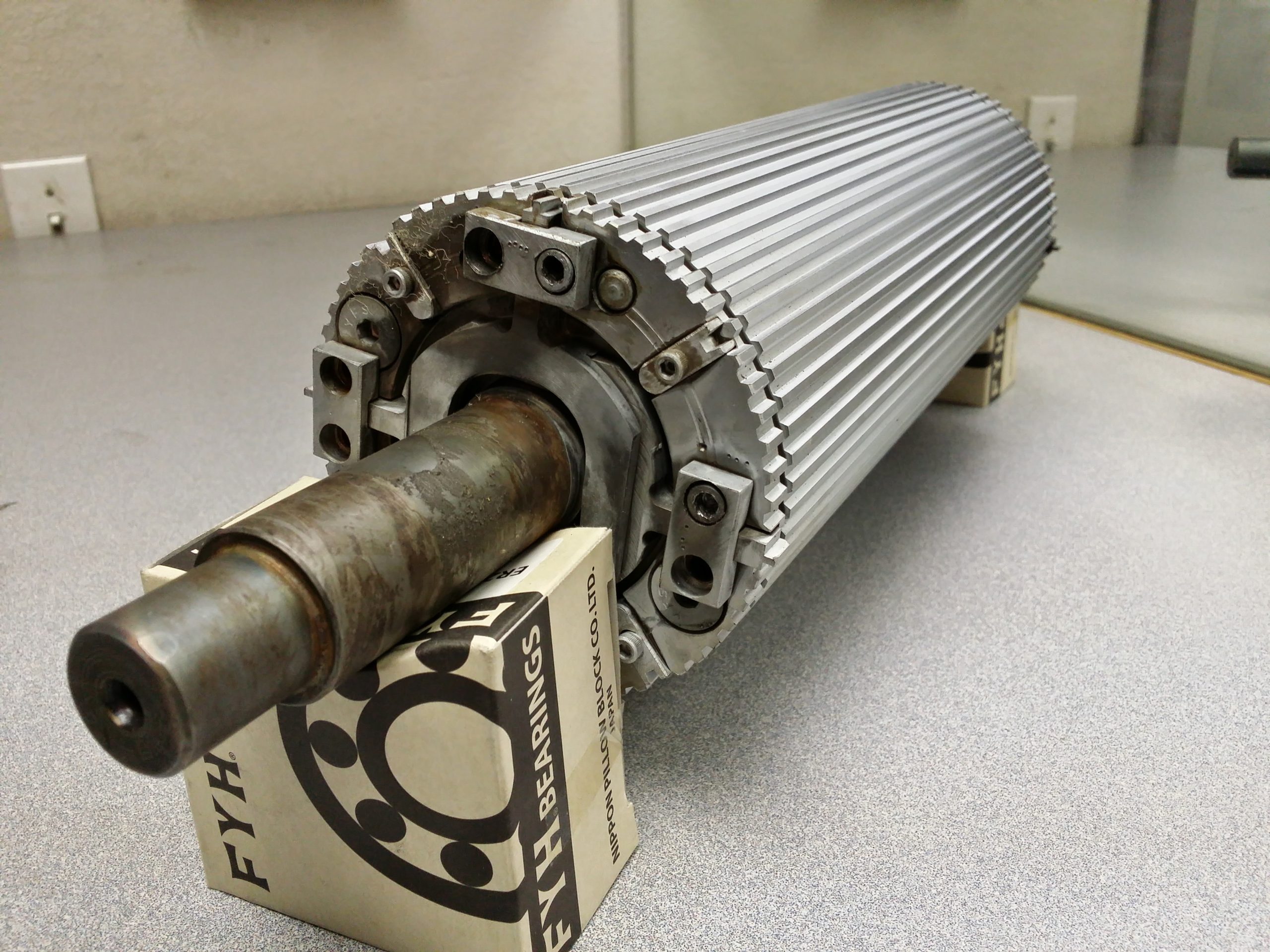
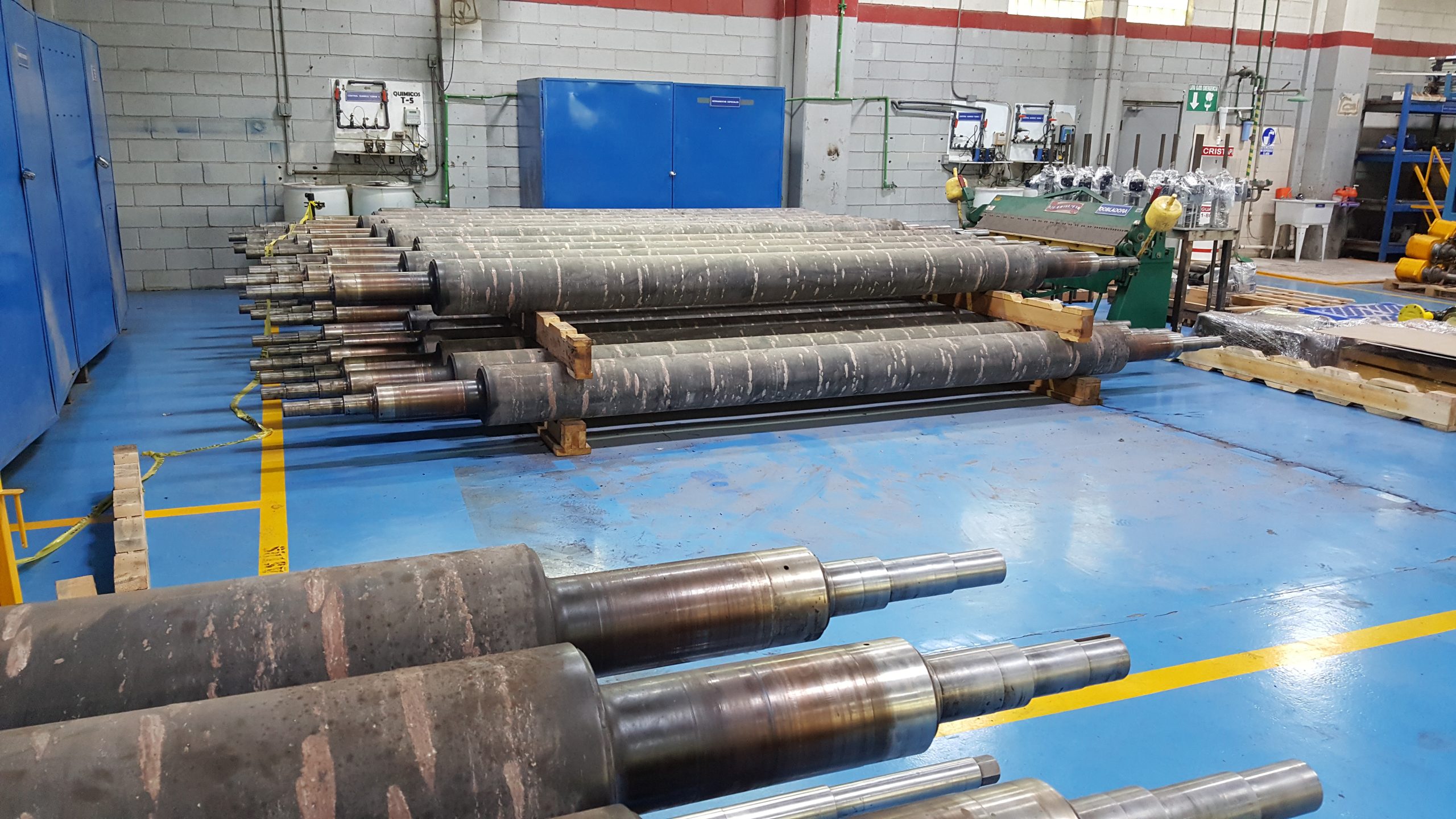
Diameter and length are just the start. A roller that’s specified for its real operating conditions lasts longer and runs better than one matched on dimensions alone. Use this checklist when you order a new or replacement roller.
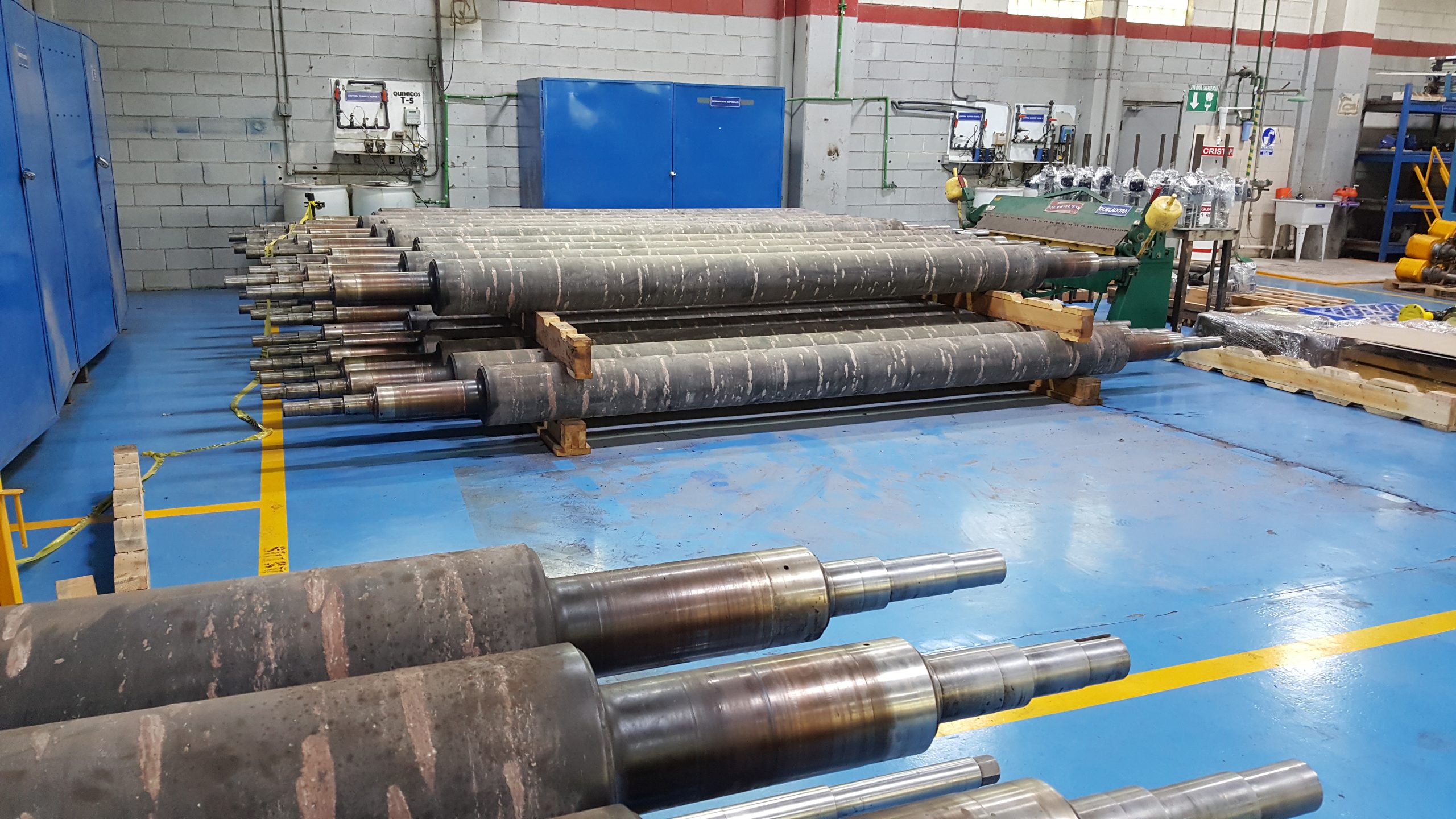
1. Function and position
What does the roller do? Nip, idler, drive, chill, heated, coating, embossing, laminating, slitting, vacuum or guide. Where does it sit in the line, and what touches it?
2. Dimensions and core
- Face length, overall length and diameter
- Core material and wall thickness, solid or tube
- Journal and shaft dimensions, bearing seats, keyways and end details
- Weight limits and balance requirements for your speed
3. Operating conditions
This is where most specs fall short, and it’s what decides the covering.
- Line speed and nip load
- Temperature, from the process and from the roller running
- Chemicals, inks, solvents, water, steam or caustics it touches
- Abrasion from the product, edges or contaminants
- Food contact requirements
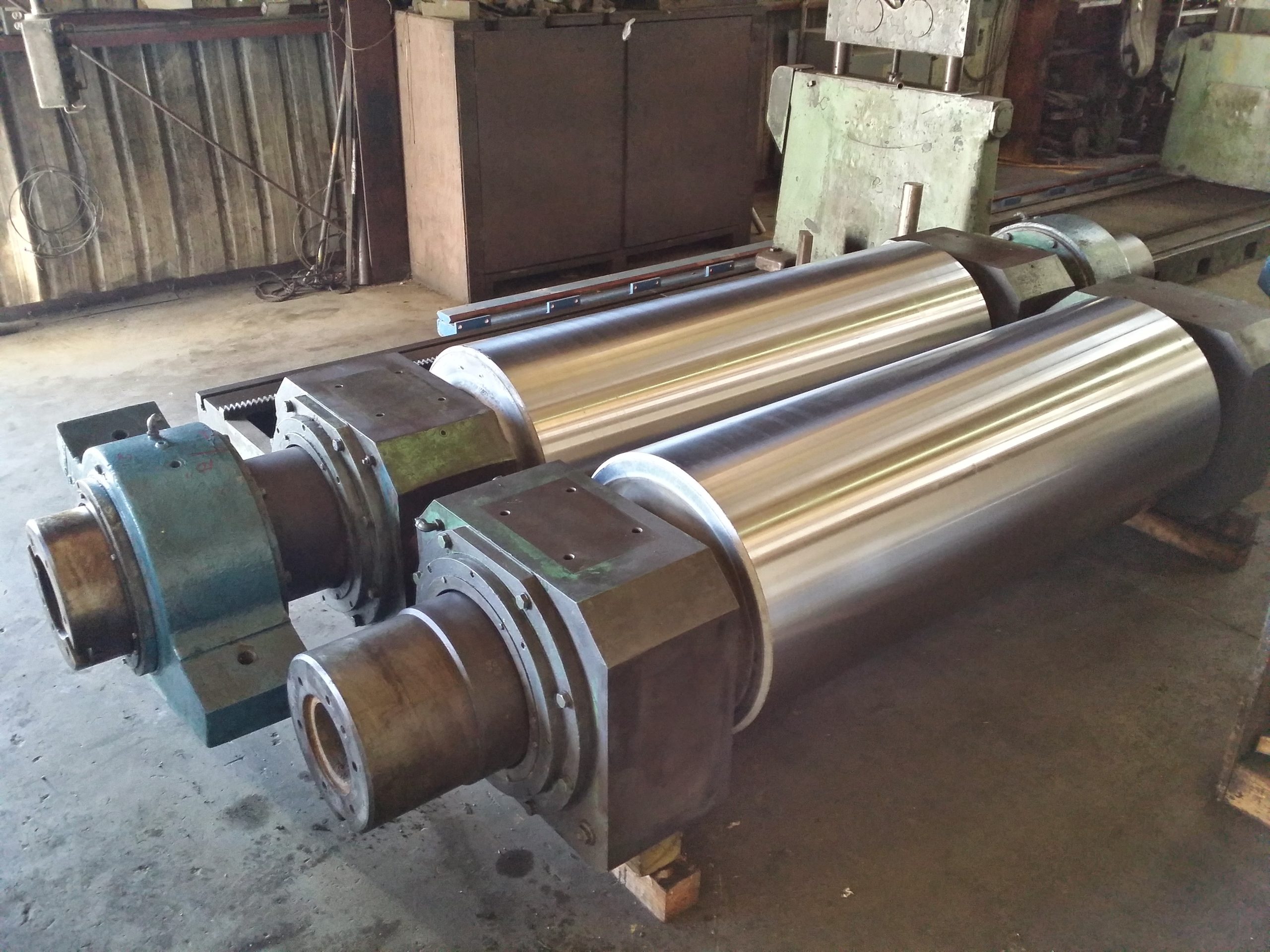
4. Covering material and hardness
Thistle offers polyurethane, silicone, chrome, ceramic, tungsten carbide, HVOF carbide, Teflon and Teflon sleeves, FEP and PFA, and felt and textile wraps, plus condition-specific formulas:
- ThistleFusion XtremeGlass Hybrid Polyurethane for demanding abrasion, cut and tear, FDA-compliant, with a 2-year warranty
- Polyceramix 360 Series, a ceramic-polymer cover that holds strength up to 185°F
- AquaShieldX Series for hot water, caustics and hydrochloric acid up to 14%, up to 295°F
- Composite-thane Series 8000 and 8300 for swelling resistance and high loads, up to 185°F
- EmboFlex Pro and the Composite Blend series for embossing rolls
Hardness (durometer) should be specified with a tolerance. Softer covers grip and conform. Harder covers hold their shape under load. If your roller runs rubber today, ask about recovering it in polyurethane: it usually lasts longer on high-wear positions.
5. Surface, profile and tolerances
- Surface finish and any superfinish requirement
- Crown, taper or contour, with the profile
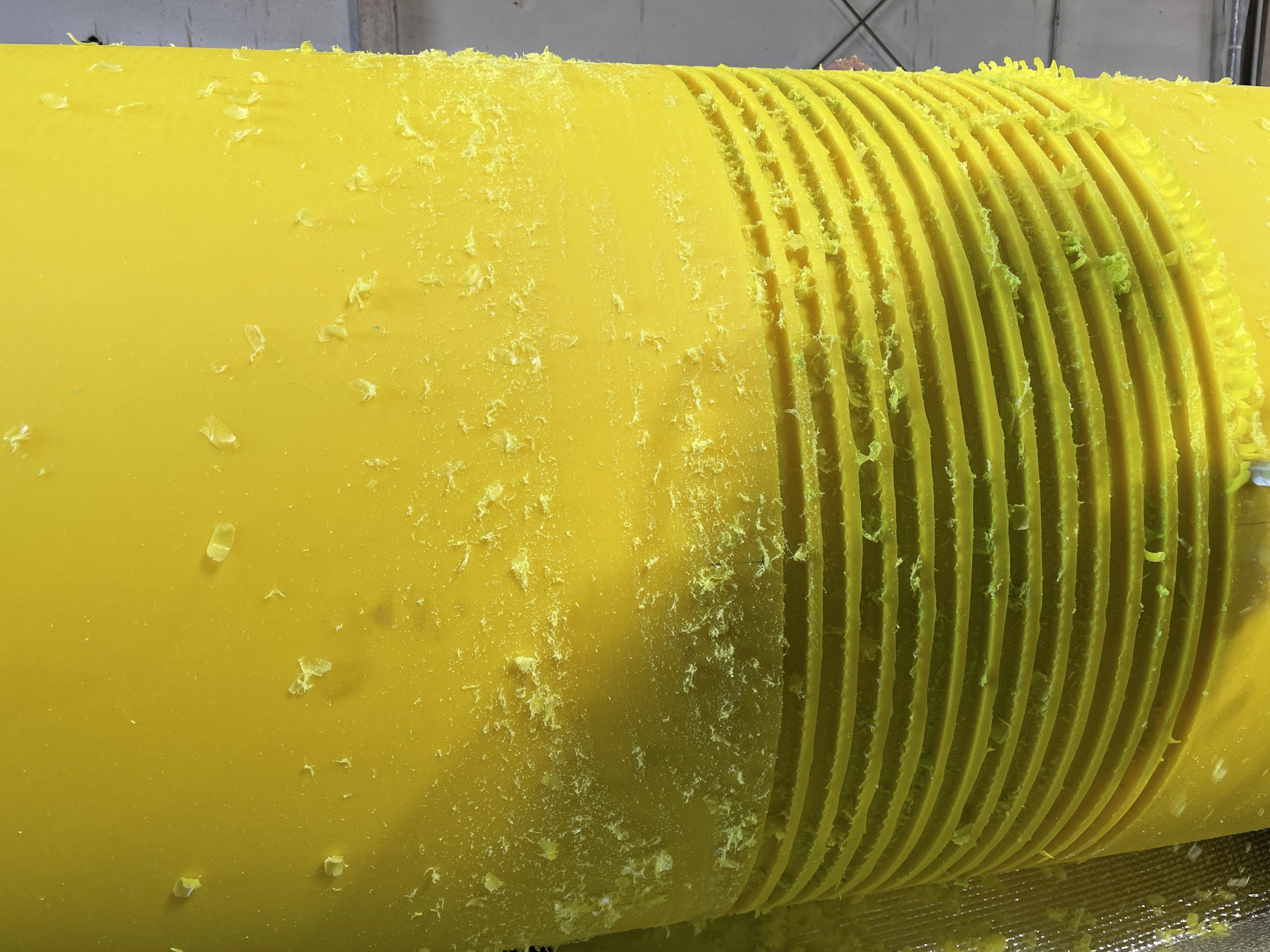
- Grooving, knurling or patterns
- TIR runout and concentricity limits
Thistle holds custom contours and grooving to aerospace tolerances.
6. Paperwork and testing
Ask for what you need with the order: material certs, hardness readings, runout and final inspection reports.
7. Quantity and timing
How many, how often, and when. Recurring orders and multi-plant needs may fit a stocking or core exchange program.
Don’t have a drawing?
Send a photo, the old roller or another maker’s spec. We’ll reverse engineer it, match it or improve it. Request a quote or call (562) 948-3705.