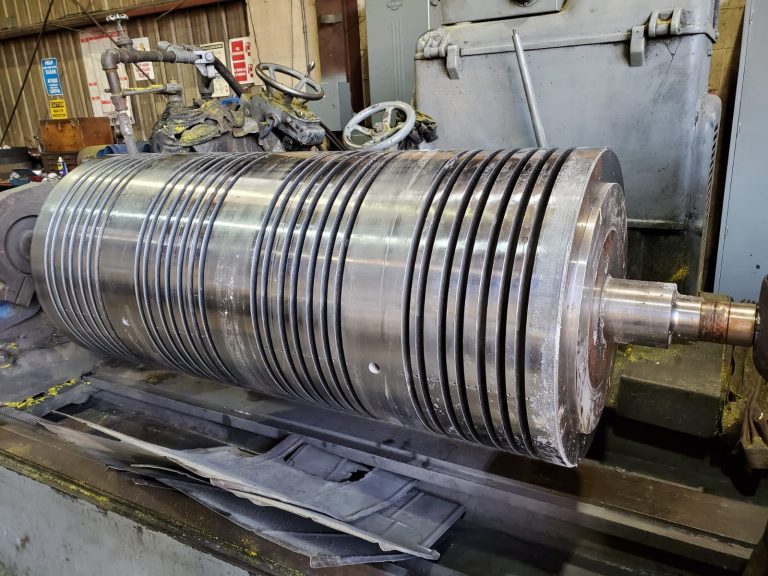
Peak season downtime can drain your budget and stall production lines when timing matters most. Roller failures cause costly delays that ripple through your entire operation. A well-structured roller readiness program cuts risk by syncing maintenance, inventory, and coating plans before demand surges hit. Keep your lines running smoothly and reduce total cost of ownership with a plan built for peak season production uptime. Enhance your production scheduling to reduce costs and inefficiencies.
Roller Readiness Program Benefits
A strong roller readiness program holds the key to keeping your production line moving without interruptions, particularly during peak seasons. Here’s how it addresses critical operational challenges:
Reduce Peak Season Risks
The roller readiness program tackles downtime by ensuring your rollers are in top shape before the busy season hits. When your rollers fail, it can halt production and lead to significant financial losses. By investing in a proactive maintenance strategy, you head off these issues before they become costly. The program involves regular checks and preemptive replacements to avoid unexpected failures. By doing this, you ensure that your operations remain smooth and continuous, even when demand peaks.
Lower Total Cost of Ownership
Reducing the total cost of ownership involves more than just initial savings. The program ensures that your investment in rollers pays off over time. When your rollers are maintained and replaced as needed, you avoid the hidden costs of downtime and emergency repairs. This long-term strategy saves money by extending the lifespan of your equipment. You minimize disruptions and reduce the frequency of costly emergency fixes, effectively lowering your overheads.
Enhance Production Uptime
Maintaining production uptime is crucial for meeting demand and maximizing profits. With a roller readiness program, your production line is equipped to handle even the busiest periods without hiccups. Regular maintenance ensures that each roller operates at its best, reducing the risk of unexpected breakdowns. As a result, your operations run smoothly, and you can meet production targets more reliably.
Key Elements of Roller Readiness
Understanding the components of a roller readiness program helps you prepare effectively for peak seasons. Let’s explore what makes this program successful:
Pre-Season Maintenance Planning
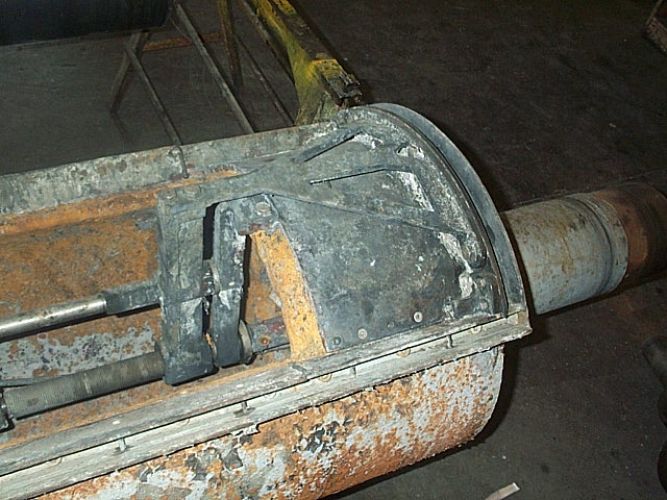
Pre-season maintenance is all about preparation. By scheduling maintenance activities before the busy season, you prevent potential issues from escalating. This proactive approach involves inspecting rollers, checking for wear and tear, and replacing any parts that show signs of damage. Not only does this keep your equipment in top condition, but it also ensures that your production line is ready to meet increased demand without delay.
Spare Roller Strategy
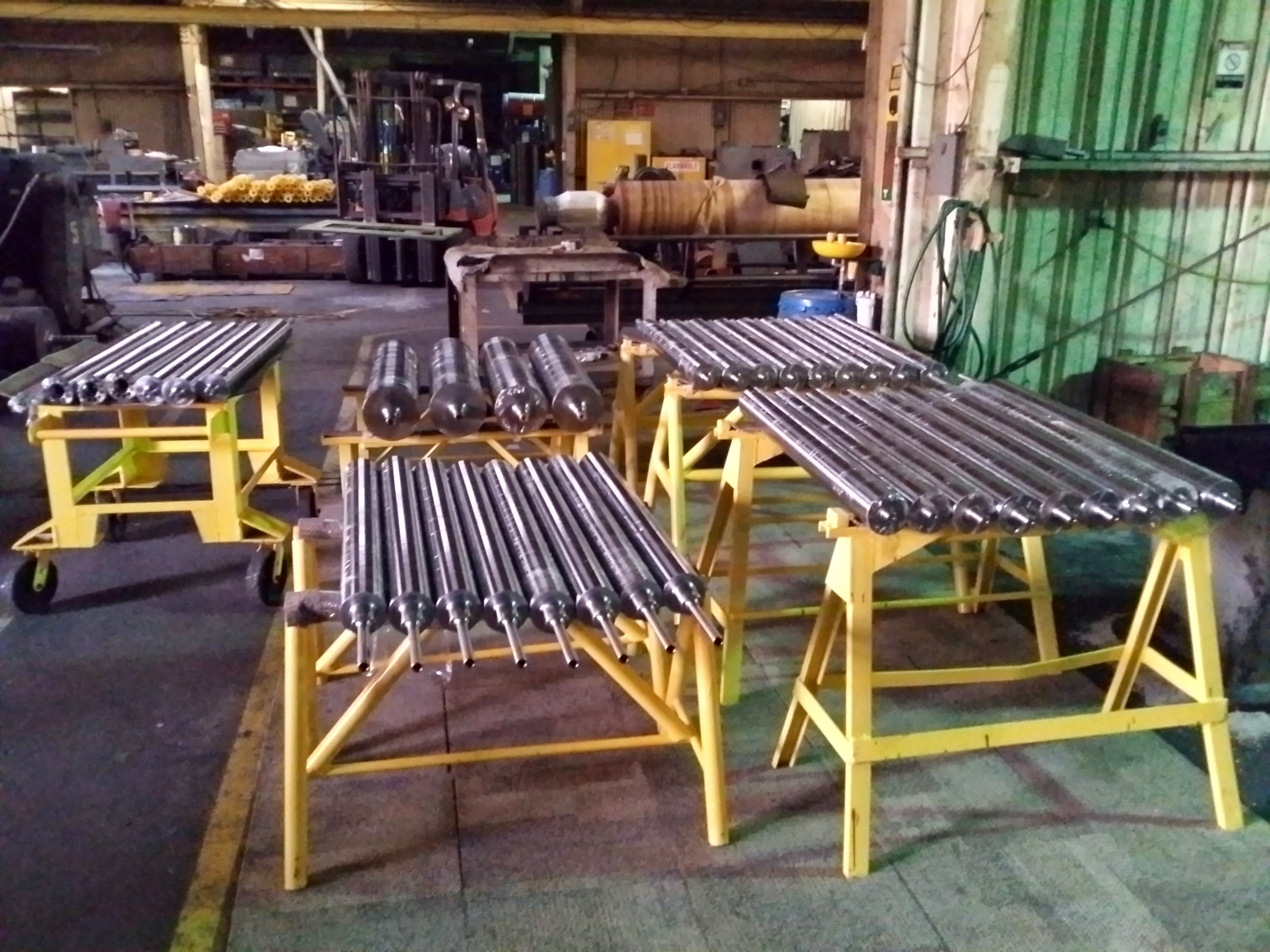
Having a spare roller strategy is essential for minimizing downtime. When a roller fails, having a spare ready to go can make all the difference. This strategy involves identifying critical rollers in your operation and ensuring spares are available for quick replacement. By doing this, you maintain continuous production and avoid costly delays that can occur while waiting for replacements.
Coating Optimization for Durability
Optimizing roller coatings enhances their durability and performance. This process involves selecting the right coating materials that can withstand the specific demands of your production environment. Durable coatings extend the life of your rollers, reducing the need for frequent replacements. This optimization not only improves performance but also helps in cutting down long-term costs.
Proactive MRO Planning for Rollers
Proactive MRO (Maintenance, Repair, and Operations) planning is about staying ahead of potential issues. Here’s how it benefits your operations:
Vendor Managed Inventory Solutions
Vendor managed inventory (VMI) solutions streamline your supply chain by letting your vendor manage inventory levels. This ensures you always have the necessary parts and rollers available when you need them. VMI solutions reduce the risk of stockouts and keep your production line running smoothly. With a reliable supply of components, you can prevent downtime and maintain steady operations.
Core Exchange Program Advantages
A core exchange program offers a practical solution for managing roller replacements. When a roller reaches the end of its life, you can quickly exchange it for a refurbished one. This program reduces downtime by providing ready-to-use rollers without the wait. It also promotes sustainability by reconditioning used rollers, making it a cost-effective and environmentally friendly option.
On-Site Support and Training
On-site support and training ensure that your team is equipped to handle roller maintenance effectively. Expert technicians provide guidance on best practices for maintenance and repairs. This hands-on training improves the skills of your staff, enabling them to address issues quickly and efficiently. It also means your team is prepared to keep your operations running smoothly, even during peak times.
Frequently Asked Questions
What is a roller readiness program?
A roller readiness program is a strategic approach to maintaining and preparing industrial rollers for peak production periods. It involves pre-season maintenance, spare roller strategies, and coating optimization to reduce downtime and enhance performance.
How does spare roller strategy help reduce downtime?
A spare roller strategy ensures that critical rollers have ready replacements. This minimizes downtime by allowing for quick changes when a roller fails, keeping production lines active without interruption.
What advantages do coating optimizations provide?
Coating optimizations improve roller durability by selecting materials that withstand specific production demands. This extends roller life and reduces the frequency of replacements, leading to cost savings over time.
Prepare your 2027 roller inventory with expert support and exclusive deals.