Unplanned downtime from roller failure can halt your entire production line in minutes. Waiting until a roller breaks to act risks extended outages and costly last-minute replacements. A proactive roller repair and replacement plan cuts interruption risk by extending service life and locking in predictable lead times. In this post, you’ll learn how industrial rollers and strategic planning keep your operations running smoothly and your maintenance predictable. For more insights on reducing downtime, check out this resource on planned maintenance.
Proactive Roller Maintenance Strategies
To safeguard your production line, understanding the risks of roller failure is crucial. Let’s explore how proactive maintenance can be your first line of defense.
Understanding Roller Failure Risks
Roller failures often result from wear and tear or unexpected impacts. These failures can halt production, leading to expensive repairs and lost revenue. A detailed analysis of your rollers’ operating conditions can identify early signs of wear. This includes checking for surface damage, uneven wear, and alignment issues. Regular inspections allow you to spot potential problems before they escalate, saving you time and money.
By addressing these risks early, you prevent sudden breakdowns. Investing in regular check-ups helps maintain optimal performance. This proactive approach not only extends the life of your equipment but also ensures that your production processes remain smooth and uninterrupted.
Implementing Predictive Maintenance Techniques
Predictive maintenance predicts when equipment failure might occur. It relies on data from sensors and regular inspections. By monitoring key performance indicators, you can schedule maintenance just in time, avoiding the cost of unnecessary repairs.
Sensors provide real-time data on roller conditions and performance. This information helps you foresee issues and plan repairs during scheduled downtimes. As a result, your maintenance is not only more efficient but also more cost-effective.
Benefits of Preventive Maintenance Practices
Preventive maintenance focuses on regular upkeep to prevent failures. It involves routine tasks like cleaning, lubrication, and component checks. These practices lead to fewer breakdowns and longer equipment life.
By adopting preventive measures, you drastically reduce the risk of unexpected failures. This approach extends the service life of your rollers, locking in predictable lead times. When you maintain your equipment regularly, you enjoy a more reliable production flow, minimizing interruptions and maximizing output.
Crafting a Roller Replacement Plan
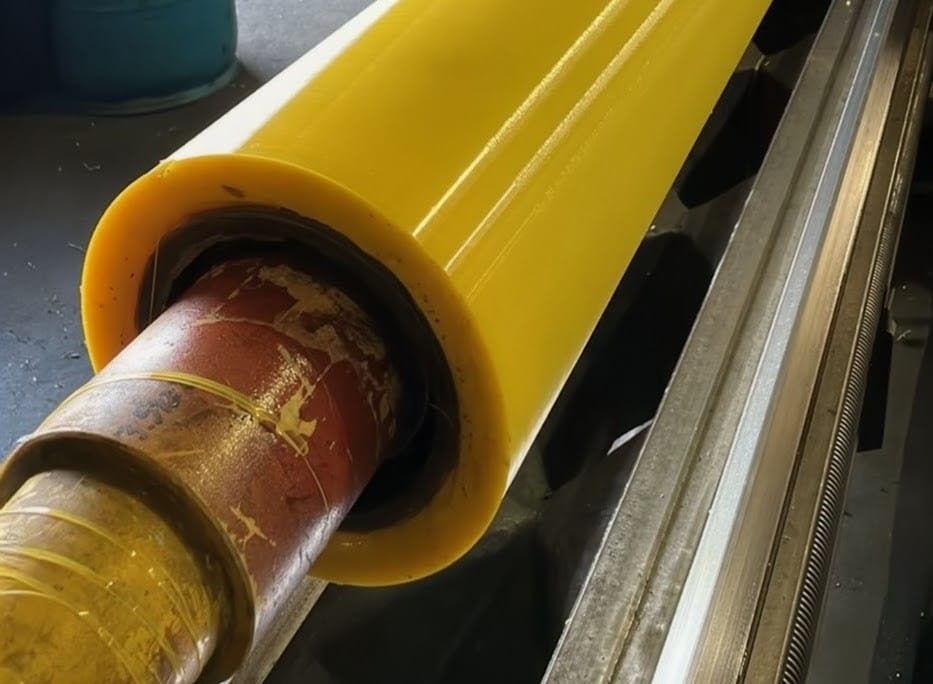
Building a strategic replacement plan is your next step. It involves understanding the essential elements, timing, inventory, and support required for seamless roller replacements.
Essential Elements of a Replacement Strategy
A successful replacement strategy starts with a clear understanding of your equipment needs. You must identify which rollers are critical to your operations and prioritize them for replacement. This involves assessing each roller’s condition and performance regularly.
Next, establish clear criteria for when a roller needs replacing. Consider factors like wear levels, performance metrics, and production demands. Documenting these criteria helps you make informed decisions and avoid unnecessary replacements.
Timing and Inventory Planning
Timing is essential in roller replacement. Plan your replacements during scheduled downtimes to minimize disruptions. By predicting when replacements are necessary, you can order parts in advance, avoiding last-minute scrambles.
Keep a well-stocked inventory to ensure replacements are available when needed. Partnering with a reliable supplier like NexAir can help you manage inventory efficiently. This ensures that you always have the right parts on hand, reducing lead times and downtime.
Engaging Expert OEM and MRO Support
Engaging with expert OEM and MRO support is crucial for effective roller management. These experts offer valuable insights into your rollers’ performance and maintenance needs. Their guidance helps you implement best practices for maintenance and replacement.
Partnering with industry leaders like Thistle Roller Co. provides access to specialized knowledge and resources. Their expertise ensures that your equipment remains in top condition, delivering reliable performance and extending service life.
Enhancing Production Reliability
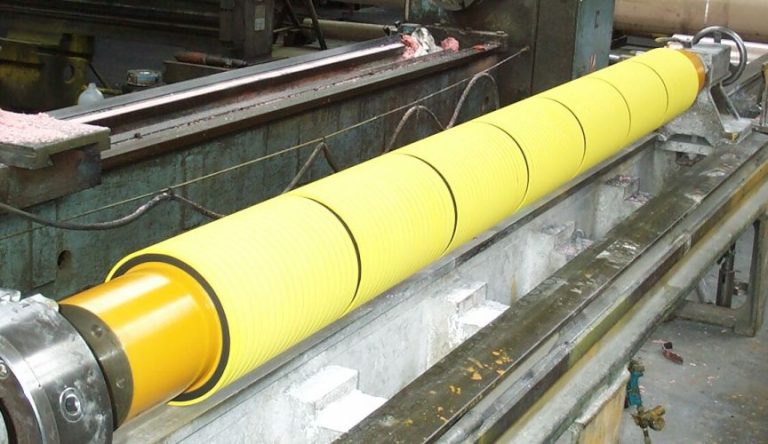
Improving production reliability means reducing downtime and maintaining quality. Let’s explore how precision rollers and expert reconditioning can enhance your operations.
Reducing Downtime with Precision Rollers
Precision rollers are engineered to meet specific application needs. They offer superior performance and durability, reducing the likelihood of failure. Investing in high-quality rollers means fewer interruptions and a smoother production process.
By choosing precision-engineered rollers, you benefit from consistent performance. These rollers are designed to handle your production demands, ensuring that your operations run smoothly without unexpected hitches.
Importance of Quality Roller Reconditioning
Reconditioning restores worn rollers to like-new condition. It involves removing old coatings, repairing damage, and applying new coatings. This process extends the life of your rollers and reduces the need for replacements.
Quality reconditioning saves money and resources. It allows you to maintain high-performance levels without the high costs of new rollers. Trusting experts like Thistle Roller Co. with your roller reconditioning ensures that your equipment remains reliable and efficient.
Leveraging Thistle Roller Co. Expertise
Thistle Roller Co. is your partner in achieving production reliability. With over 70 years of experience, their expertise in precision roller manufacturing and reconditioning is unmatched. They provide tailored solutions, ensuring that your rollers meet your exact specifications and performance needs.
Partnering with Thistle Roller Co. means access to top-tier technology and craftsmanship. Their commitment to quality and customer service guarantees that your production lines remain uninterrupted and efficient.
Frequently Asked Questions
What are common causes of roller failure?
Roller failures are often caused by wear and tear, misalignment, and surface damage. Regular inspections and maintenance can help identify these issues early, preventing unexpected breakdowns.
How does predictive maintenance work for rollers?
Predictive maintenance uses sensors and data analysis to predict when equipment might fail. This allows for timely repairs, reducing the risk of unexpected downtimes and extending equipment life.
Why is inventory planning important in roller replacement?
Proper inventory planning ensures that replacement parts are available when needed. This reduces lead times and prevents production delays, keeping your operations running smoothly.
What benefits does reconditioning offer over buying new rollers?
Reconditioning extends the life of existing rollers, saving costs and resources. It restores rollers to like-new condition, maintaining high performance without the expense of new rollers.
How can Thistle Roller Co. help improve my production reliability?
Thistle Roller Co. offers expertise in precision roller manufacturing and reconditioning. Their tailored solutions and commitment to quality ensure that your production lines remain efficient and reliable.
Secure your roller service slots for the critical year-end rush.