
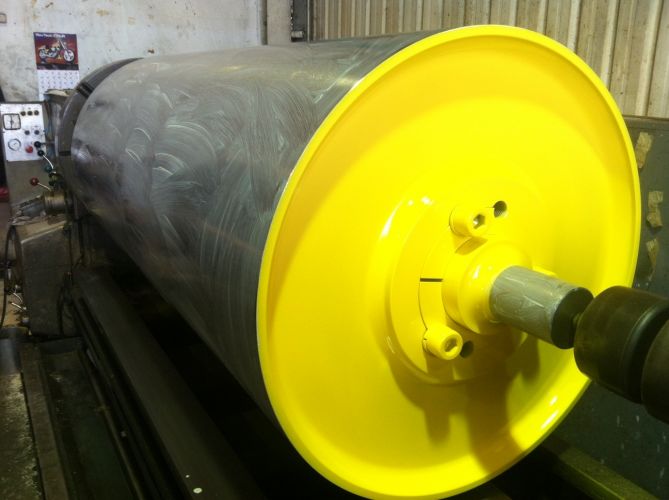
Most roller suppliers promise quality, but few prove it with clear warranty strength and fast service. When downtime costs thousands per hour, vague claims don’t cut it. You need a straightforward way to compare roller supplier warranty coverage, claims performance, and service responsiveness. This framework will help you measure risks and pick a partner who keeps your lines moving without surprises. For more insights on comparing roller suppliers, visit this guide.
Evaluating Roller Supplier Warranty
When selecting a roller supplier, understanding their warranty offerings is crucial. This insight helps in minimizing risks and ensuring continuous operations.
Key Warranty Coverage Aspects
You need a warranty that covers the essentials. Look for comprehensive coverage that includes manufacturing defects and material failures. A strong warranty should provide a safety net, ensuring replacements or repairs without extra costs.
Consider the warranty differences between product and extended warranties. Some suppliers offer limited coverage, which might not protect against all potential issues. Instead, choose a supplier who provides extensive protection, ensuring peace of mind.
Assessing Warranty Claim Rate
The claim rate indicates a supplier’s product quality and reliability. A low claim rate suggests that the rollers are durable and meet industry standards. On the other hand, a high claim rate could mean frequent issues, translating to potential downtime for your operations.
When evaluating suppliers, ask for their average claim rate. Suppliers with transparent data often have nothing to hide. This openness also reflects their confidence in their product quality.
Understanding Warranty Turnaround Time
A quick warranty turnaround time minimizes downtime. Look for suppliers that guarantee swift processing of claims. The faster the resolution, the quicker your operations can resume.
Evaluate suppliers based on their average turnaround time for warranty claims. A company with efficient processes will likely have a shorter response time, ensuring your business continuity is uninterrupted.
Measuring Service Responsiveness
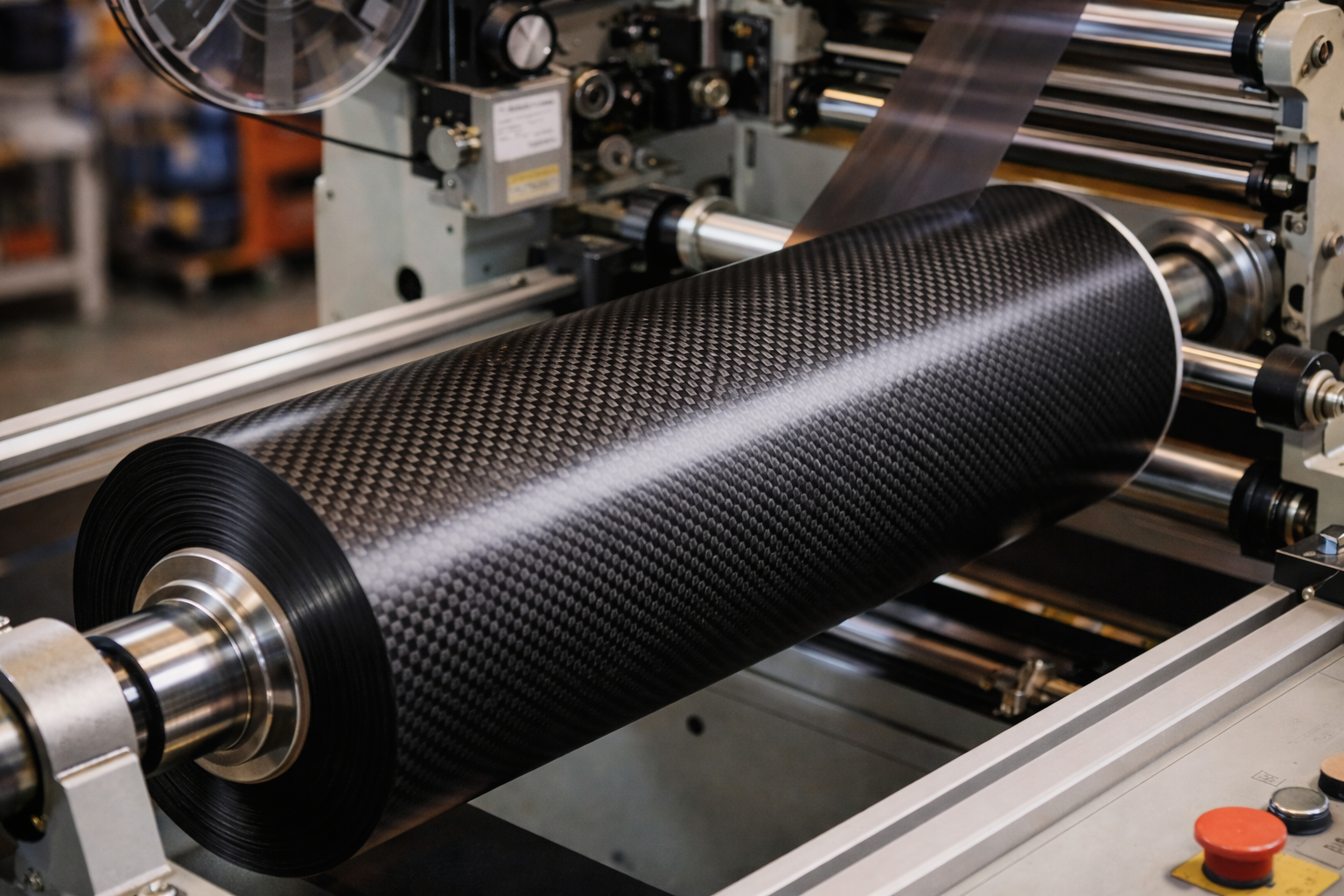
Service responsiveness plays a vital role in maintaining smooth operations. A responsive supplier addresses issues promptly, reducing potential delays.
Service Responsiveness Metric Explained
This metric evaluates how quickly and effectively a supplier responds to service requests. It involves measuring response times and resolution efficiency. A supplier with a high score in this area is typically more reliable.
To assess this, consider their history of dealing with service requests. Past customer experiences can provide valuable insights into a supplier’s responsiveness and reliability.
Analyzing Mean Time to Repair
Mean time to repair (MTTR) is crucial in understanding repair efficiency. The MTTR reflects the average time taken to fix an issue once reported. A lower MTTR indicates a more efficient supplier, capable of resolving problems swiftly.
When choosing a supplier, ask about their MTTR statistics. Consistently low MTTR values demonstrate a commitment to maintaining high operational standards, minimizing downtime for your business.
SLA for Roller Repair Considerations
Service Level Agreements (SLAs) outline the expected quality of service, including repair timelines. A well-defined SLA ensures that the supplier is committed to meeting your service expectations.
Review the SLAs offered by potential suppliers. A robust SLA should clearly state repair timeframes and any penalties for non-compliance. This agreement serves as a contract to hold suppliers accountable for their service commitments.
Practical Comparison Framework
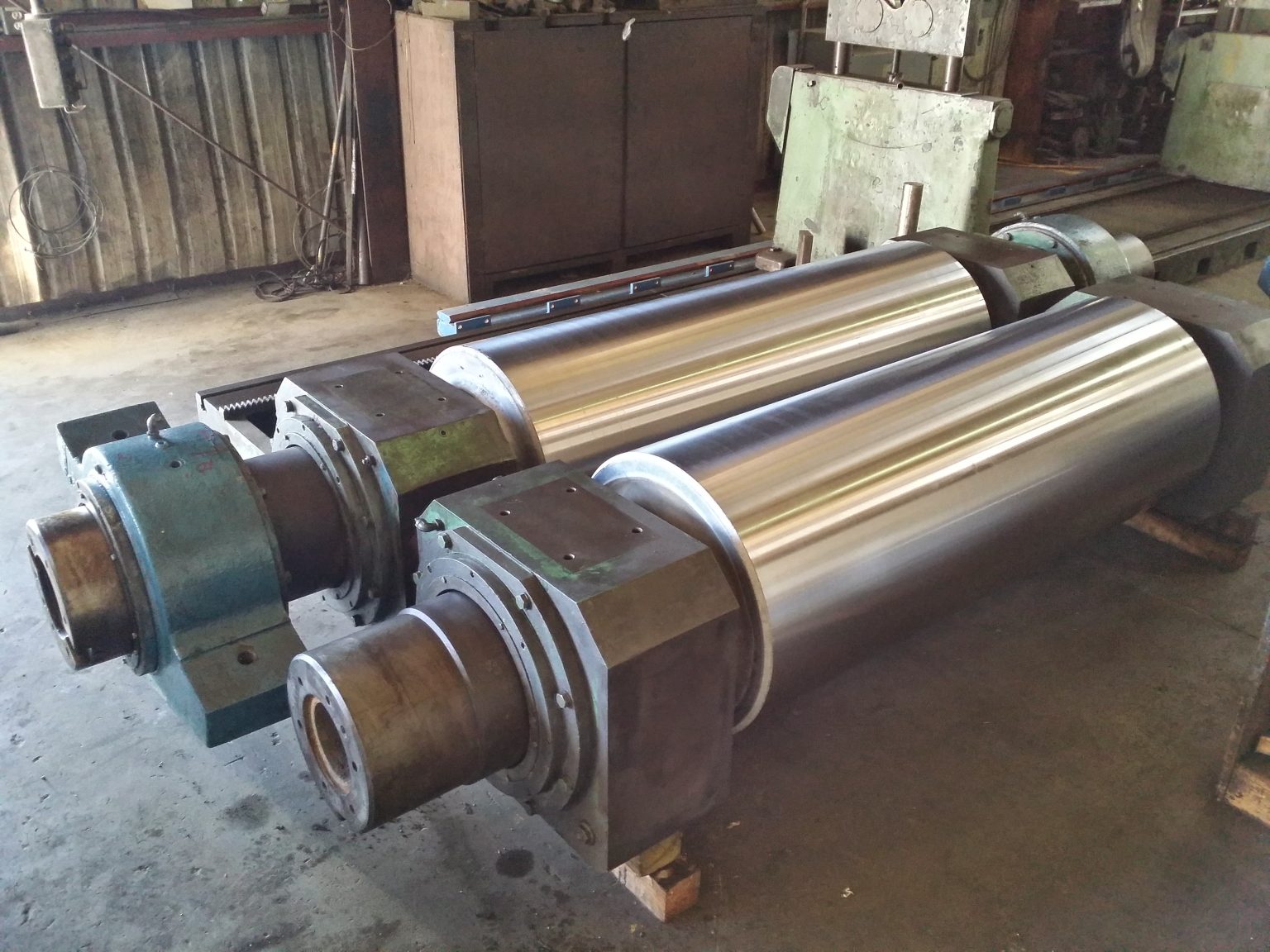
Creating a practical framework helps in comparing suppliers effectively, ensuring you choose the best partner.
Lead Time for Rollers Assessment
Assessing lead time is essential for planning and avoiding delays. A shorter lead time means faster delivery, allowing you to keep operations running smoothly.
Ask suppliers about their standard lead times and any factors that might influence delays. Consistently short lead times often indicate efficient production processes and reliable supply chains.
Importance of On-Time Delivery Performance
On-time delivery is a measure of a supplier’s reliability. Consistent on-time delivery ensures that your production schedules remain uninterrupted and your operations flow seamlessly.
Inquire about the supplier’s delivery performance history. A strong track record of on-time deliveries indicates dependable logistics and a commitment to customer satisfaction.
Evaluating Core Exchange Programs
Core exchange programs can reduce costs and downtime. These programs allow you to exchange worn rollers for reconditioned ones quickly, keeping your equipment operational.
When evaluating suppliers, consider the availability and terms of their core exchange programs. Suppliers offering flexible and efficient programs demonstrate a commitment to minimizing your operational disruptions.
In conclusion, selecting the right roller supplier involves evaluating warranty coverage, service responsiveness, and delivery performance. By focusing on these areas, you can choose a partner like Thistle Roller Co., known for reliability and quality, ensuring your production lines keep rolling smoothly.
Join us in celebrating how our warranty supports your peace of mind and production uptime.