
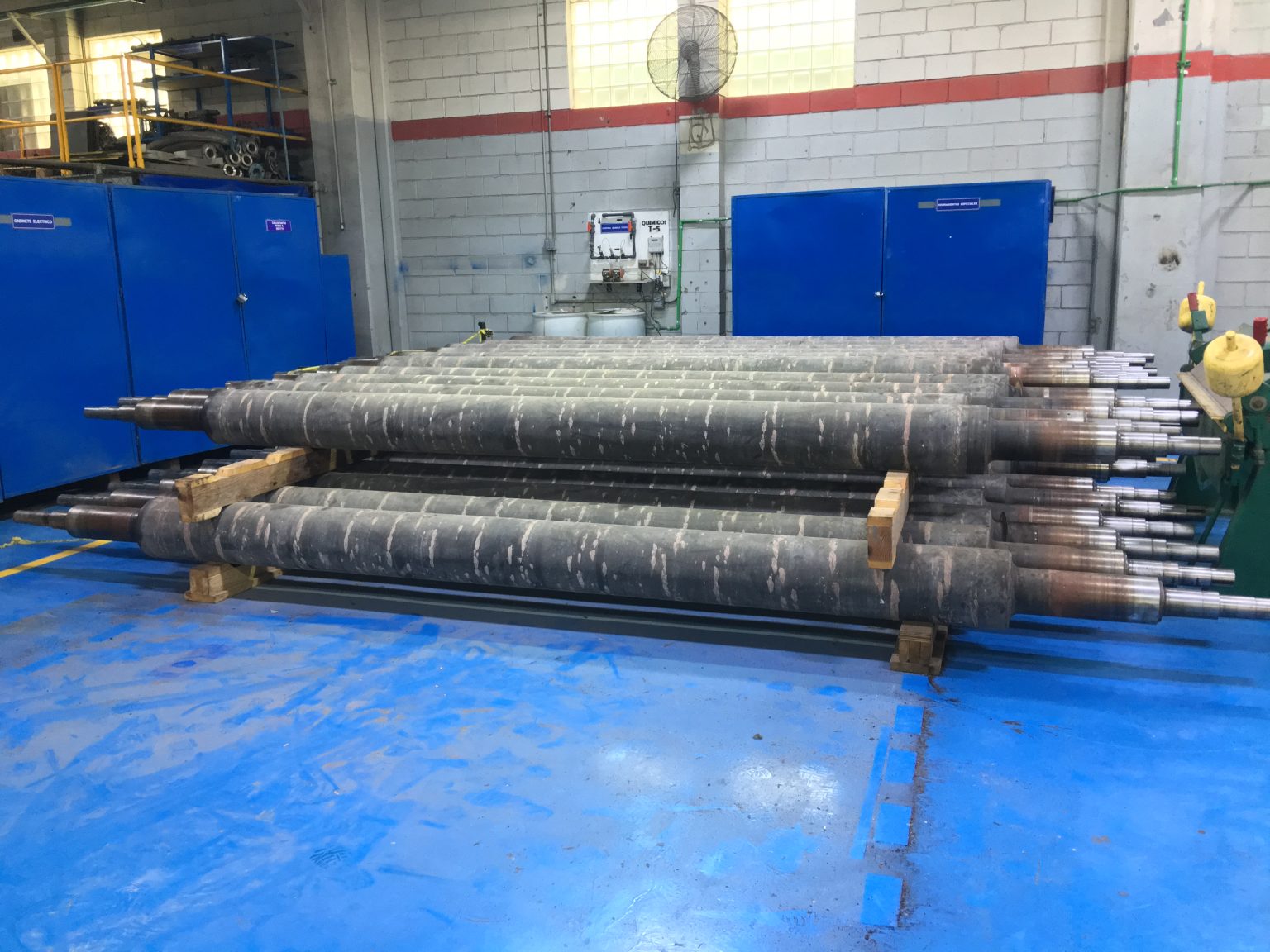
Industrial roller failure modes cost you more than just replacement parts—they halt your entire production line. Misalignment, shaft deflection, and roller wear often repeat without the right engineering controls. Thistle Roller Co. applies custom coatings, precise dynamic balancing, and rigorous quality checks that prevent these costly setbacks. Keep reading to learn how tailored design choices protect your rollers and reduce downtime. For more insights, visit this article.
Common Roller Failure Modes
Understanding the causes of roller failures can help you prevent them. Let’s dive into common failure modes that disrupt production and explore how you can tackle them effectively.
Understanding Roller Wear
Roller wear is a frequent issue that affects performance. It results in a rough surface, leading to inefficient operation. Abrasion resistance rollers are crucial here. They can reduce wear significantly.
To address wear, consider the materials used. Rollers made with ceramic or polyurethane coatings offer enhanced durability. They resist wear better than standard materials. By investing in these rollers, you extend the life of your equipment. Plus, you save on replacement costs.
Roller Misalignment and Shaft Deflection
Misalignment occurs when rollers aren’t aligned correctly with the shaft, causing uneven load distribution. This can lead to shaft deflection, where the shaft bends under pressure. Both issues hamper roller performance.
An effective solution is regular alignment checks. This ensures that all components are in sync, maintaining optimal performance. If you’ve noticed frequent misalignment, it might be time to consult an expert on roller adjustment.
Chemical Attack and Corrosion
Chemical exposure can weaken roller materials, leading to corrosion. This is particularly common in industries with harsh environments. For protection, corrosion resistant rollers are a must.
Opt for rollers with specific coatings designed to withstand chemical attacks. Tungsten carbide and HVOF coatings provide excellent protection against such threats. They shield the roller’s surface, preventing damage and extending service life.
Custom Engineering Solutions
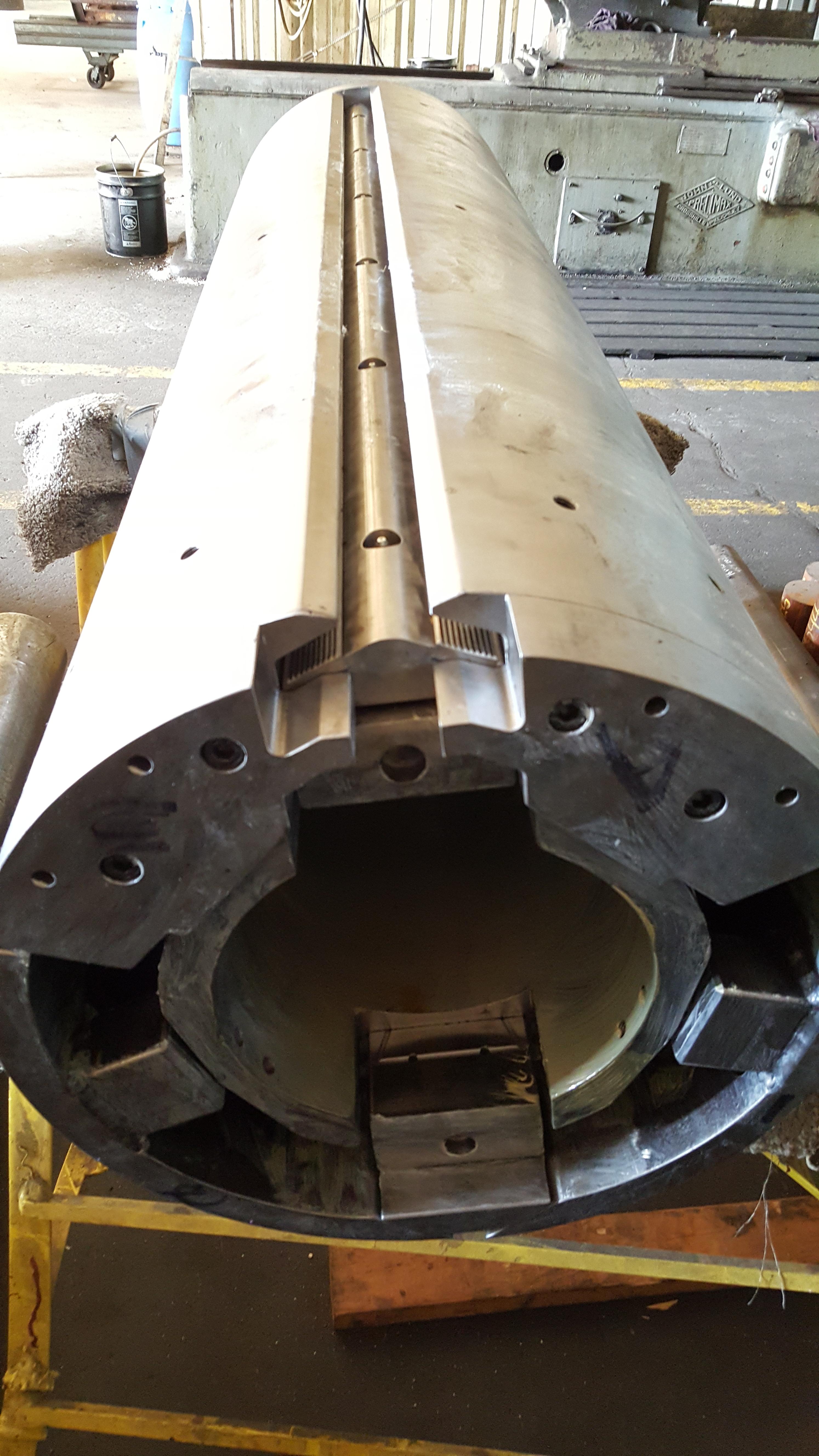
At Thistle Roller Co., we understand that each roller challenge is unique. Our custom solutions address specific needs, ensuring your operations run smoothly.
Benefits of HVOF and Tungsten Carbide Coatings
HVOF coatings provide a hard, wear-resistant surface. They outlast traditional coatings, offering five times more wear resistance compared to chrome. This prolongs roller life and minimizes downtime.
Tungsten carbide coatings are another excellent choice. They’re highly durable and offer robust protection against abrasion and corrosion. By choosing these coatings, you enhance your rollers’ resilience.
Precision Grinding and Surface Finish RA
Achieving the perfect surface finish is vital for roller efficiency. Precision grinding ensures that each roller meets exact specifications. This process minimizes friction and wear, leading to smoother operation.
Surface finish RA is a measure of smoothness. A fine RA value indicates a smoother surface, reducing wear and improving efficiency. At Thistle Roller Co., we prioritize precision to deliver the best results.
Dynamic Balancing and Total Indicated Runout TIR
Dynamic balancing prevents vibration and wobbling in rollers. This is essential for maintaining stability and prolonging roller life. An unbalanced roller can lead to increased wear and potential failure.
Total Indicated Runout (TIR) measures the roller’s roundness. By maintaining a low TIR value, you ensure smooth rotation and minimize wear. Investing in these checks can save you significant costs in the long run.
Enhancing Durability and Performance
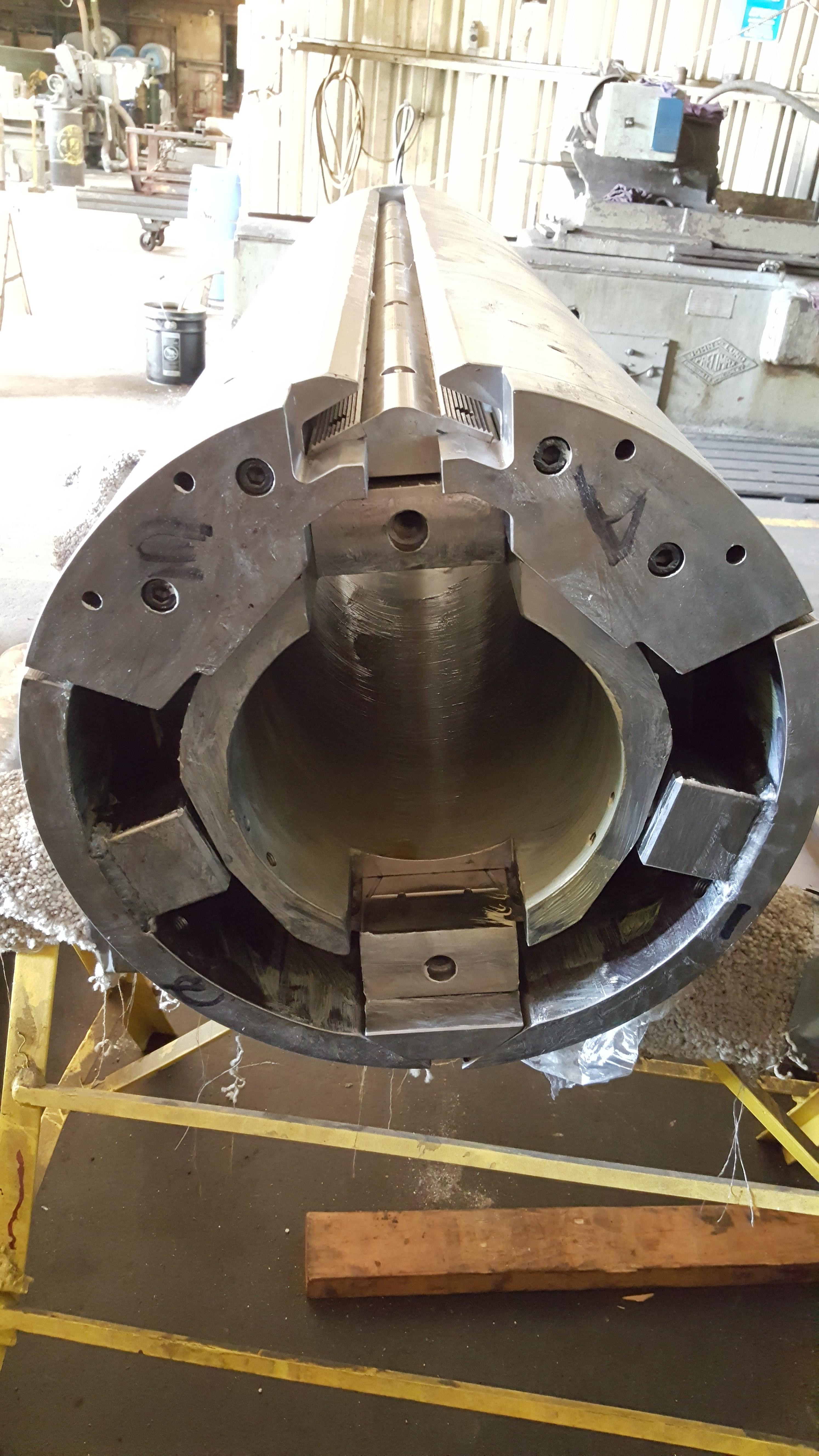
To truly get the most from your rollers, enhancing both durability and performance is key. Let’s explore how specific designs and technologies contribute to this.
Crown Profile Design and Web Handling
Crown profile design is crucial for web handling. It ensures that the material stays centered, preventing misalignment. This design reduces the risk of wrinkles and improves material flow.
By incorporating a crown profile, you enhance roller efficiency. This design is particularly beneficial in industries where precise material handling is essential.
Thermal Transfer Rolls and Chill Rolls
Thermal transfer rolls and chill rolls regulate temperature. This is vital in processes where precise temperature control is necessary. These rolls maintain material integrity during heating and cooling phases.
Investing in these rolls ensures consistent performance. They prevent material distortion and maintain high-quality output.
Journal Repair and Roller Reconditioning
Over time, journals can wear out, affecting roller performance. Regular journal repair and roller reconditioning are essential for maintaining efficiency. These services restore rollers to their original condition, extending their lifespan.
By opting for regular maintenance, you reduce the risk of unexpected failures. This proactive approach keeps your operations running smoothly and efficiently.
For more insights into preventing roller failures and enhancing performance, consider reading this guide on roller failure prevention.
Explore tailored roller solutions engineered to fit your unique needs perfectly.