Most roller replacements stop at diameter and length. That’s a costly mistake. Your next roller needs more: precise TIR runout, proper durometer selection, balanced coatings, and tight bearing fit tolerances. Skipping these specs puts your uptime and product quality at risk. In this post, you’ll learn the real checklist for industrial rollers that keeps production running and downtime low. Find more insights here.
Evaluating Roller Replacements
Choosing the right roller goes beyond simple measurements. Let’s explore key factors that impact performance and longevity.
Importance of Material Selection
Imagine investing in a roller that wears out quickly. Material choice can prevent that. Polyurethane and ceramic coatings offer distinct advantages. Polyurethane is great for abrasion resistance and flexibility. Ceramic excels in high-temperature scenarios and provides chemical resistance. When selecting materials, consider your environment. Are you dealing with extreme temperatures? Will the roller face chemicals? These questions guide you to the best choice.
Load capacity also influences material selection. A roller that bears heavy loads needs robust materials. Choosing the right one ensures your roller lasts longer. If you’re unsure, this guide can help.
Understanding Advanced Coatings
Advanced coatings can transform your roller’s performance. HVOF coatings are a popular choice, offering five times more wear resistance than chrome. They ensure a longer lifespan and less maintenance. Consider tungsten carbide if you need something robust. It handles high stress and extends service life significantly.
Surface finish matters, too. A smoother finish reduces friction and energy use. By choosing the right coating, you protect your investment and enhance efficiency. This detail often gets overlooked, but it’s vital for optimal performance.
Load Capacity and Bearing Fit
Load capacity affects how well your roller performs under stress. A roller that can’t handle its load will wear out fast. Bearing fit is crucial for smooth operation. Tight tolerances ensure stability and reduce vibration. Proper fitting prevents premature wear and extends roller life.
When evaluating load capacity, consider the operational environment. Will the roller face constant stress or intermittent loads? Choose materials and designs that suit your needs. Proper planning here saves time and money down the line.
Key Specifications Beyond Dimensions
Once you understand the basics, it’s time to delve deeper into specifications that often go unnoticed.
Critical Speed and Shaft Deflection
Did you know ignoring critical speed can lead to roller failure? Critical speed is the point where vibrations increase, risking damage. To avoid this, ensure your roller’s speed stays below this threshold. Shaft deflection is another factor to watch. Excessive deflection can cause misalignment and wear.
When choosing a roller, calculate the expected deflection. Use materials and designs that minimize these risks. Balancing these factors ensures your roller performs reliably, even under challenging conditions.
Surface Finish and Durometer Selection
Surface finish impacts how materials interact with your roller. A smooth Ra finish reduces friction, saving energy. It’s essential for operations where precision is key. Durometer selection determines a roller’s hardness. Softer rollers provide grip, while harder ones offer durability. Choose based on your needs.
For instance, a soft durometer works well in applications needing high friction. Hard durometers suit high-speed operations. Balancing finish and durometer is crucial for optimal performance.
Dynamic Balancing and Concentricity
Precision matters for smooth operation. Dynamic balancing ensures even weight distribution, reducing vibration. A well-balanced roller avoids wear and extends lifespan. Concentricity guarantees uniform rotation, preventing wobble and uneven wear.
Balancing and concentricity are often overlooked, but they’re vital. They ensure your rollers perform consistently, reducing downtime and maintenance needs. Getting these right means fewer disruptions and smoother operations.
Reducing Downtime with Custom Solutions
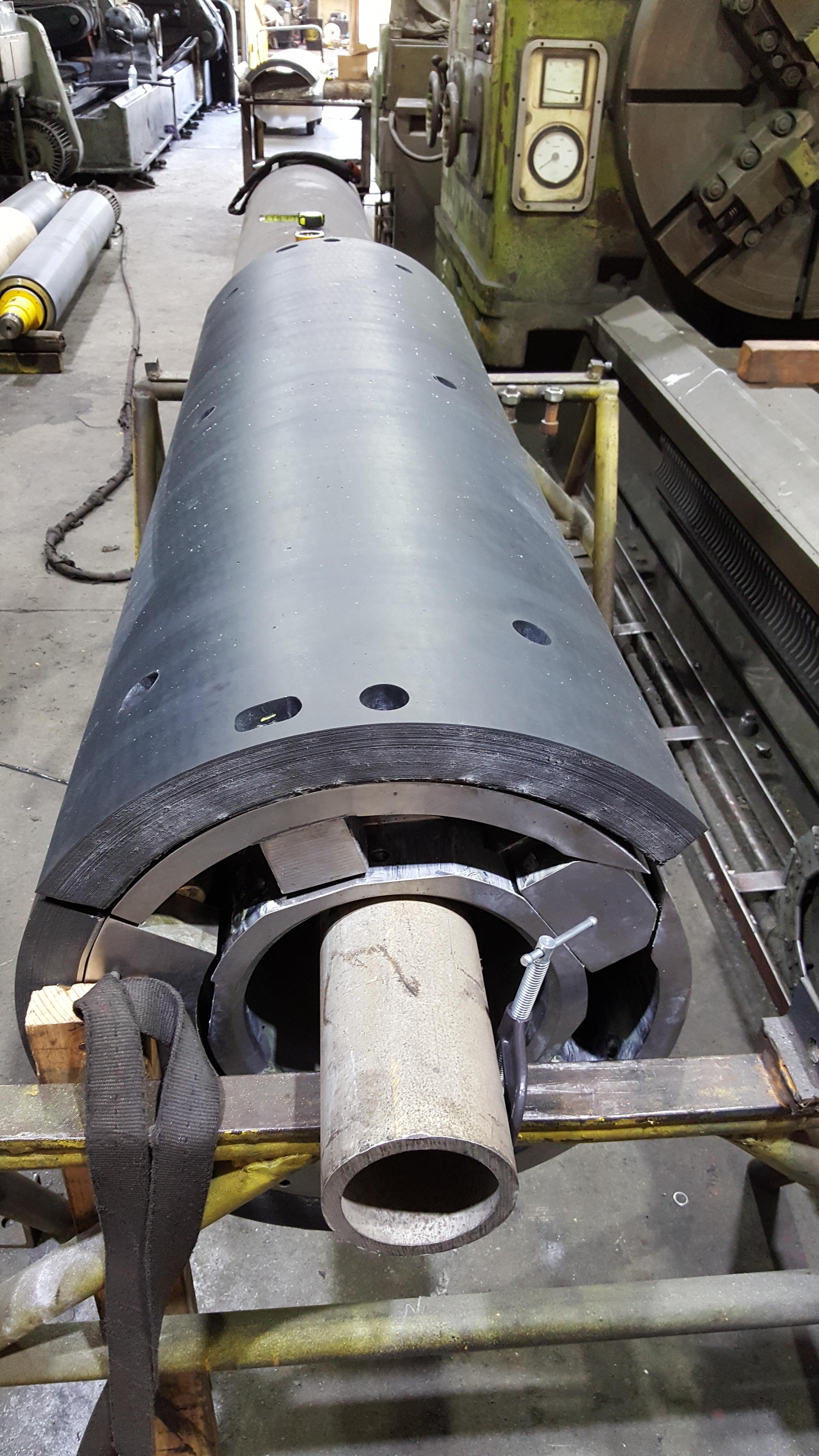
Downtime is costly. Custom solutions can ensure your operations stay seamless and productive.
Core Exchange Program Benefits
Imagine swapping out a worn roller in minutes. Core exchange programs allow quick replacements, minimizing downtime. Instead of waiting for repairs, you get a ready-to-use roller. This speeds up maintenance and keeps production rolling.
With a core program, you’re never without a critical component. It’s a quick, efficient way to keep operations steady.
MRO Support for Quick Turnarounds
When things go wrong, quick recovery is essential. MRO support offers rapid solutions. With expert teams on standby, issues get resolved fast. This minimizes downtime and reduces stress.
Reliable MRO support ensures you always have help when you need it. It keeps your operations running smoothly, even under pressure.
Expert Failure Analysis and Repair
Understanding why failures occur is key. Failure analysis digs deep to find causes. Experts then provide solutions, preventing repeat issues. This proactive approach saves time and money.
By addressing root causes, you protect your investment. It’s a smart way to enhance reliability and extend roller life.
In conclusion, the right roller choice goes beyond basic dimensions. By focusing on key specifications and custom solutions, you enhance performance and minimize disruptions. Trust in Thistle Roller Co. to provide the expertise and quality you need.
Explore tailored roller solutions engineered to fit your unique needs perfectly.