
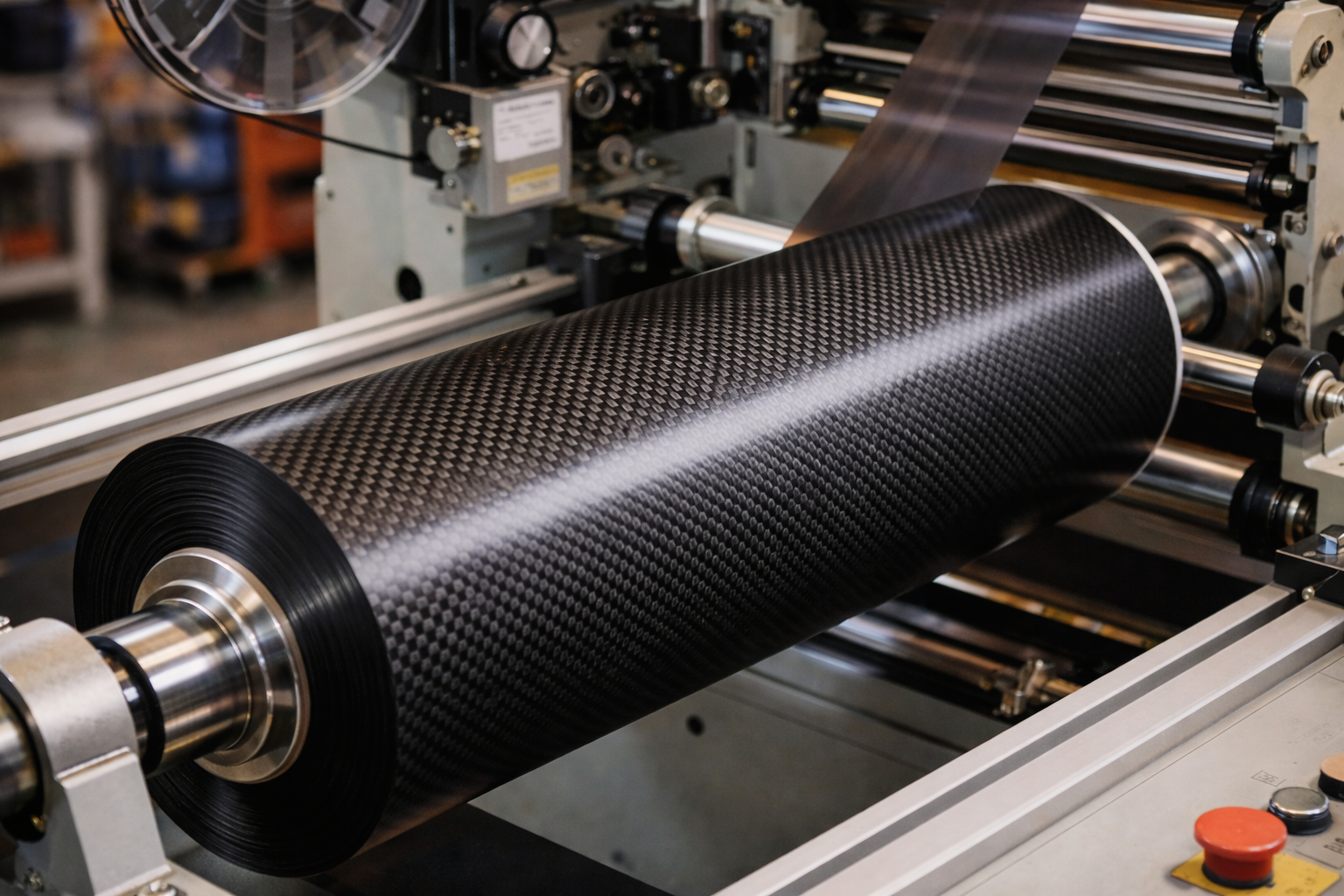
Size isn’t the only factor when it comes to custom industrial rollers. Overlooking key roller design factors like dynamic balancing, TIR tolerances, and crown profiles can cost you valuable uptime. You’ll learn the nine critical elements that keep your line moving and prevent costly stops. Ready to cut downtime? Talk to a Thistle applications engineer today. Learn more about roller design here.
Custom Roller Design Variables
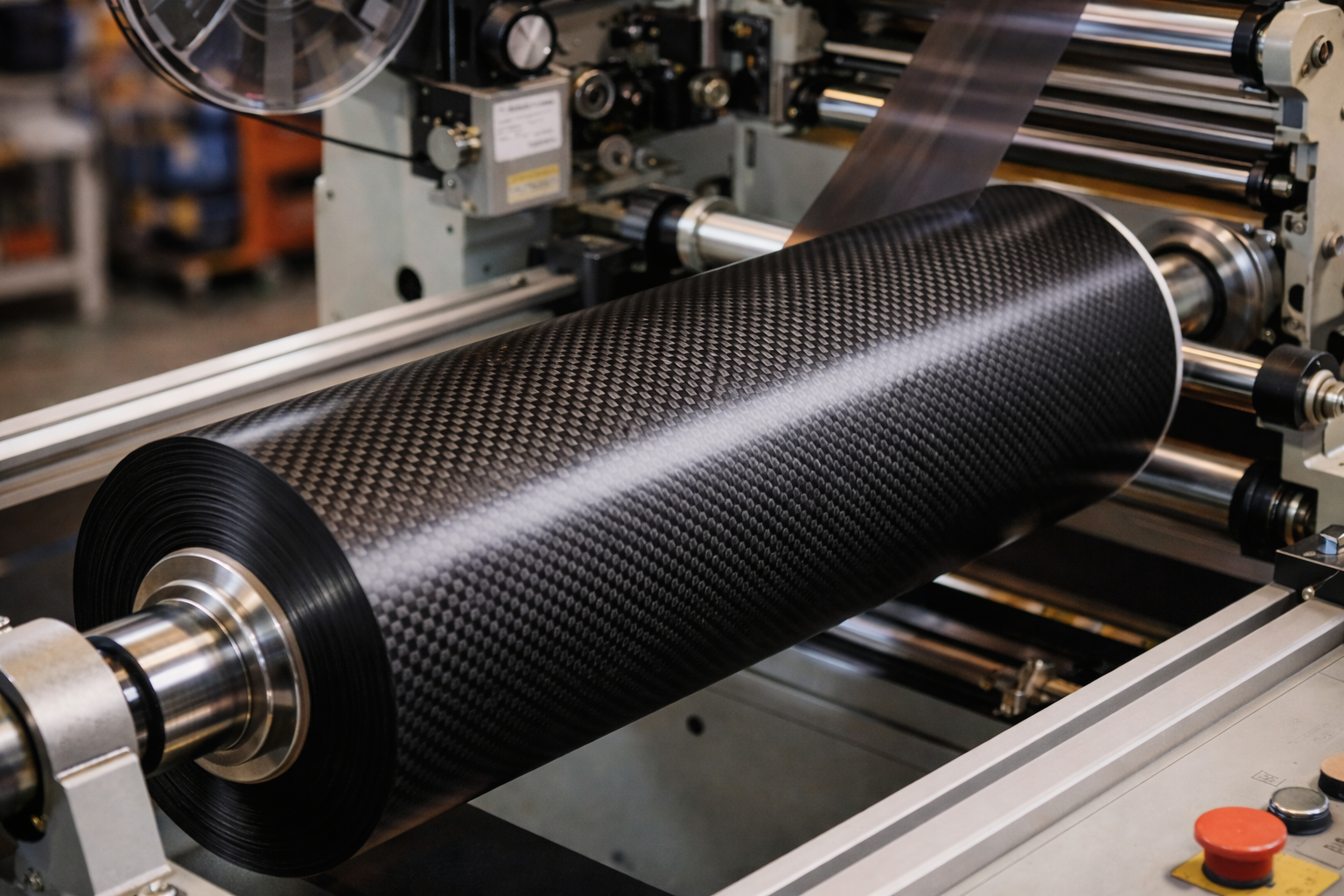
Understanding the design elements that go into custom industrial rollers is essential for reducing downtime. Let’s explore the critical factors that ensure your rollers keep performing.
Roller Concentricity and TIR Tolerances
Concentricity and TIR (Total Indicator Runout) are vital for smooth roller operation. If your roller isn’t perfectly round, it could cause vibrations and uneven material handling. This often leads to increased wear and tear.
To avoid such issues, rollers are measured for concentricity and TIR tolerances. Consistent measurements ensure your rollers operate smoothly, which is key to maintaining uptime. Investing in precision roller manufacturing can save you time and money. Accurate rollers with tight TIR tolerances keep your production line running efficiently.
Importance of Dynamic Balancing Rollers
Dynamic balancing is crucial for minimizing vibrations. Unbalanced rollers can lead to noisy operations and faster wear. This affects not only production speed but also product quality.
Balancing involves adjusting the weight distribution of a roller. Properly balanced rollers allow for faster speeds and quieter operations. Most people think that any roller will do, but a balanced roller provides peace of mind and reliability. By focusing on balance, you ensure your operations run seamlessly.
Impact of Crown Profiles on Performance
Crown profiles influence how materials are guided through processes. A roller with a properly designed crown can help align materials, reducing the likelihood of jams or misfeeds.
Different applications require specific crown profiles to ensure optimal performance. By adjusting the crown, you can control the tracking of materials, enhancing precision. The right profile can transform your production line’s efficiency, ensuring smooth operations.
Advanced Coatings and Materials
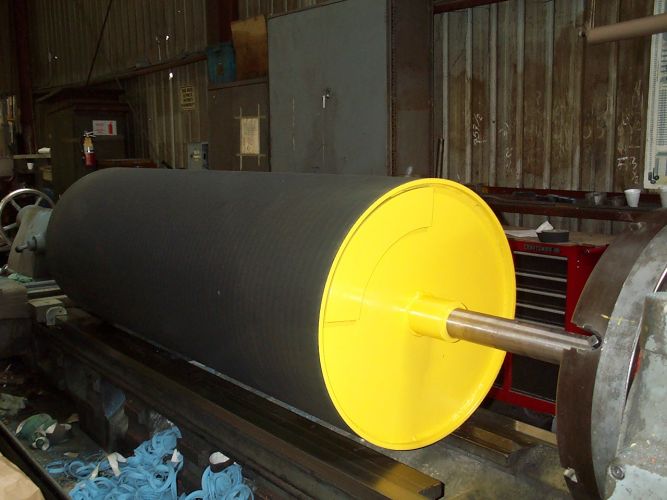
Continuing to optimize roller performance involves choosing the right coatings and materials. Let’s look at how these choices impact durability and efficiency.
Benefits of HVOF Roller Coatings
HVOF (High Velocity Oxygen Fuel) coatings offer exceptional wear resistance. These coatings are ideal for rollers exposed to harsh conditions. They provide a protective layer that extends the roller’s lifespan.
The application of HVOF coatings ensures protection against corrosion and abrasion. In environments where rollers face constant wear, HVOF offers a reliable shield. Integrating these coatings into your rollers can significantly reduce maintenance needs, saving both time and money.
Ceramic Coated Rollers for Durability
Ceramic coatings are known for their hardness and resistance to high temperatures. They are perfect for applications where heat and friction are concerns. Ceramic-coated rollers offer a durable solution to demanding environments.
These coatings increase the roller’s lifespan by preventing surface wear. Many think metal coatings are the only option, but ceramics provide excellent benefits. Using ceramic coatings can enhance roller durability, ensuring they withstand challenging conditions.
Rubber and Polyurethane Covers
Rubber and polyurethane covers add grip and cushioning to rollers. These materials are suitable for applications requiring soft contact with materials. They help protect delicate surfaces from damage.
These covers also offer flexibility and resistance to various chemicals. They are ideal for environments where rollers face diverse challenges. Adding rubber or polyurethane covers ensures your rollers meet specific needs while maintaining longevity.
Engineering for Longevity
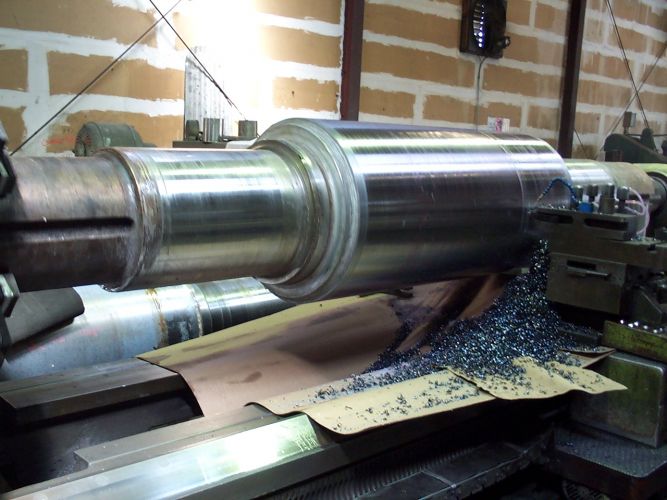
Ensuring your rollers last involves selecting the right engineering solutions. Explore how specific features contribute to extended service life.
Abrasion Resistant and Thermal Conductivity Rollers
Rollers designed for abrasion resistance endure challenging conditions without wearing down. They are essential for environments where materials are abrasive.
Thermal conductivity rollers manage heat effectively, ensuring materials are processed at optimal temperatures. Using rollers with these properties enhances performance, reducing wear and tear. Investing in quality rollers ensures long-term reliability.
Precision Roller Manufacturing Techniques
Precision manufacturing is the backbone of high-quality rollers. Techniques like precision grinding and dynamic balancing are crucial. They ensure rollers are consistent and reliable.
This level of precision reduces the risk of defects and failures. Rollers manufactured with care provide dependable performance, minimizing downtime. Trusting in precision techniques ensures your production line operates smoothly.
Roller Reconditioning Services and MRO Solutions
Reconditioning services restore worn rollers to their original condition. This is a cost-effective solution compared to buying new rollers. Regular maintenance keeps your rollers in peak condition.
Most people think replacement is the only option, but reconditioning offers a viable alternative. MRO (Maintenance, Repair, and Overhaul) solutions can extend the life of your equipment, providing value and efficiency. Regular upkeep ensures your operations remain uninterrupted.
By understanding these factors, you position your production for success. Consider how Thistle Roller Co. can help you achieve your operational goals with precision-engineered rollers.
Learn how precision rollers solve your toughest manufacturing challenges.